

The Environmental Movement (1960s–1970s)
Environmental

• The modern environmental movement gained momentum after World War II, with growing concerns about pollution, the loss of biodiversity, and the impact of industrialization on th...
Conservation Efforts: Gifford Pinchot
Gifford Pinchot
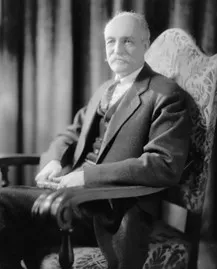
Origins of Conservation: Environmental consciousness in the West can be traced back to the 19th century, when industrialization and urbanization began to have a profound impact on ...
Conservation Efforts: Theodore Roosevelt
Theodore

Origins of Conservation: Environmental consciousness in the West can be traced back to the 19th century, when industrialization and urbanization began to have a profound impact on ...
Conservation Efforts: The Rise of Environmental Awareness
Environmental
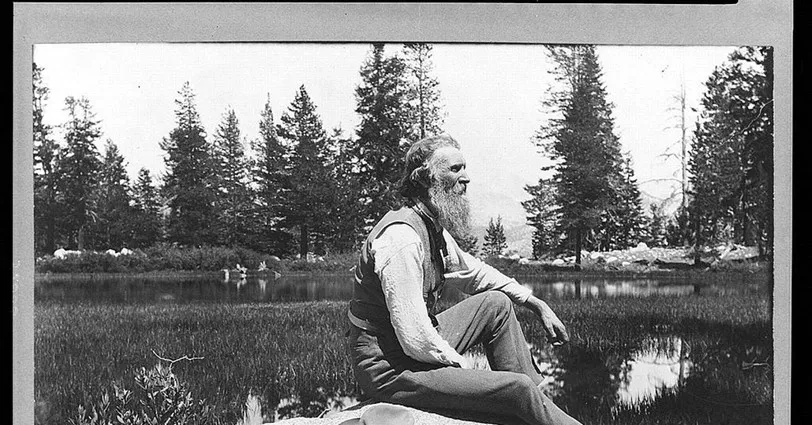
Origins of Conservation: Environmental consciousness in the West can be traced back to the 19th century, when industrialization and urbanization began to have a profound impact on ...
The Dust Bowl: A Tragic Environmental Crisis (1930s)
The Dust Bowl

Overview: The Dust Bowl was a severe environmental disaster in the Great Plains of the United States during the 1930s. This period was marked by a combination of prolonged drought,...
Explore the World Within
Robin Hood
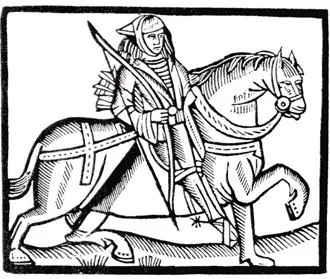
Origin: The legend of Robin Hood likely originated in England during the medieval period. Early ballads about Robin Hood were written in the 14th and 15th centuries, although some ...
King Arthur and the Knights of the Round Table
King Arthur

Origin: The legend of King Arthur is rooted in medieval British folklore, though the exact origins are unclear. The earliest references to Arthur can be found in Welsh poems from t...
Running and Races
Running
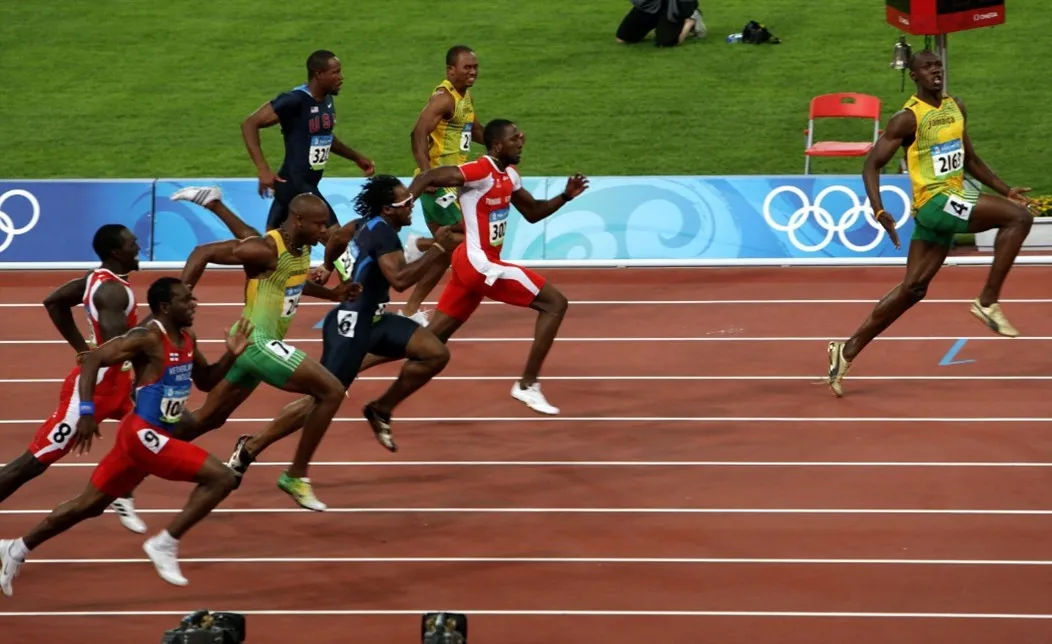
• Origins: Ancient Greece
Ancient Versions:
• Ancient Greece: One of the earliest forms of competitive sports was running. The Olympic Games, first held in 776 BCE in Olympia...
Explore the World Within
Gymnastics

• Origins: Ancient Greece and Egypt
Ancient Versions:
• Ancient Greece: Gymnastics is perhaps one of the most direct precursors to the modern sport. The word "gymnastics" com...
Explore the World Within
Basketball

• Origins: Ancient cultures (Mesoamerica, Greece) & Modern Invention (1891 CE)
Ancient Versions:
• Mesoamerica: Like soccer, the origins of basketball can be traced back to M...
Explore the World Within
Soccer

• Origins: Ancient China, Greece, Rome, and Mesoamerica
Ancient Versions:
• China: The earliest form of soccer can be traced to Cuju, a game played during the Han Dynasty (20...
The Antikythera Mechanism
Antikythera
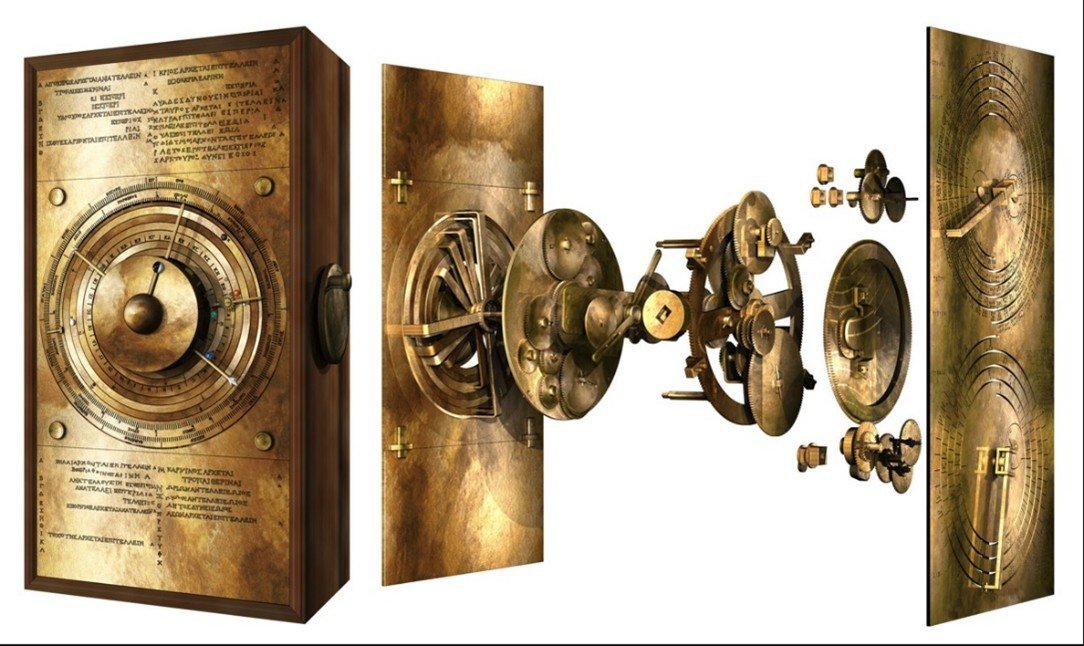
• Origin: Ancient Greece
• Invention: The Antikythera Mechanism is considered the world’s first known analog computer. It was used to predict astronomical positions and ecli...
Explore the World Within
The Abacus

• Origin: Sumer (Mesopotamia) and later refined in ancient China, Egypt, and Greece.
• Invention: The abacus is a manual counting device consisting of beads or stones that are...
Explore the World Within
Aqueducts
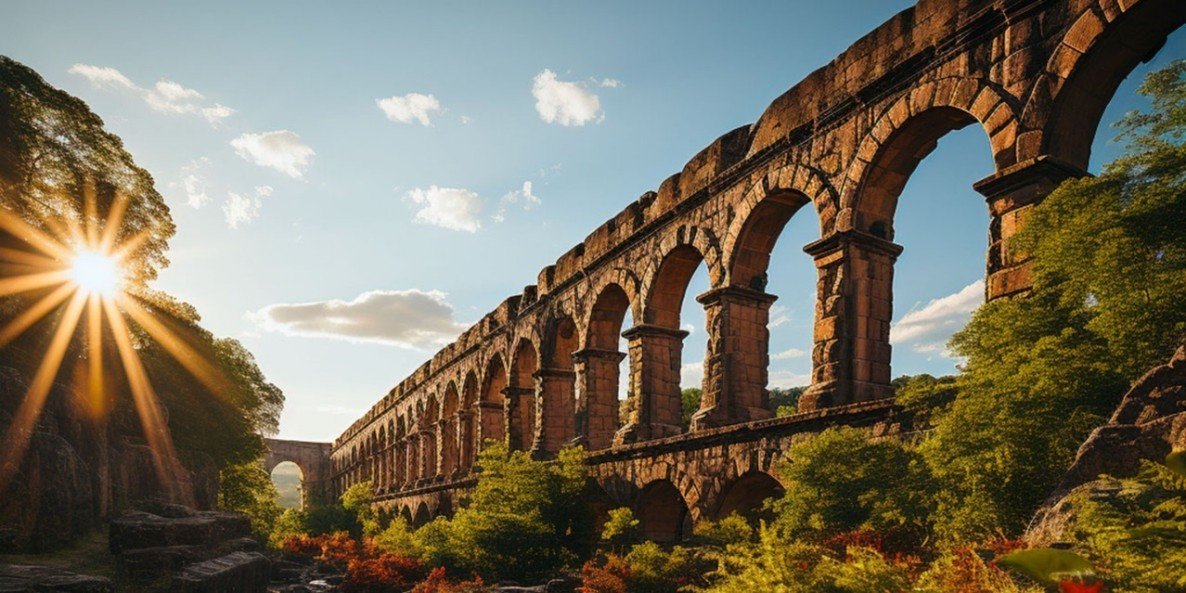
• Origin: Ancient Rome, though the idea of transporting water via canals existed in other ancient civilizations, such as the Greeks and Persians.
• Invention: Aqueducts are br...
Explore the World Within
The Wheel
.jpg "The Wheel")
• Origin: Mesopotamia (modern-day Iraq)
• Invention: The wheel is one of the oldest and most revolutionary inventions in human history. Its earliest form was a potter’s whee...
Explore the World Within
Malala Yousafzai
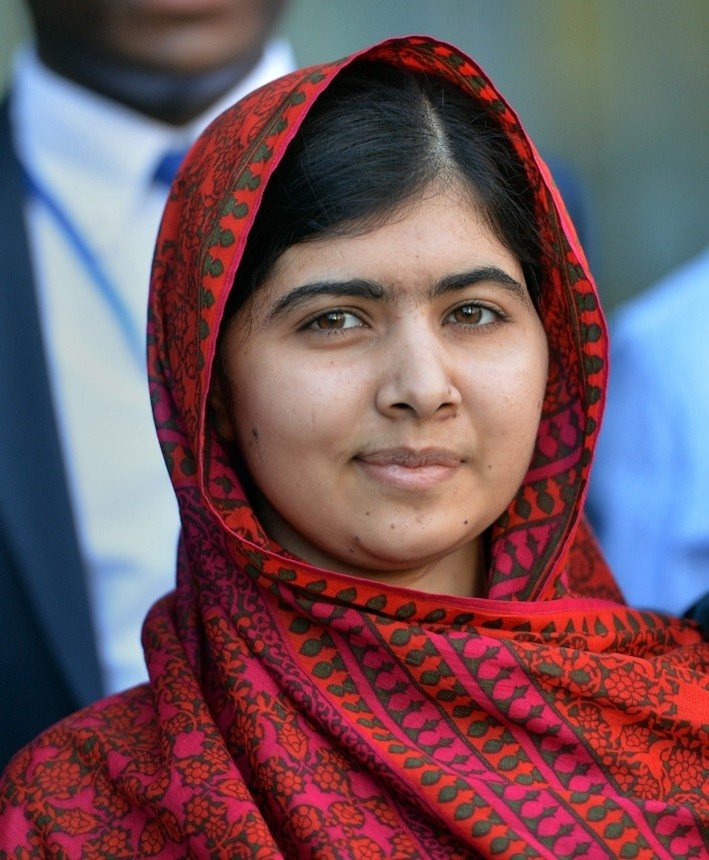
• Country: Pakistan
• Position: Education Activist and Nobel Laureate
• Contributions:
• Malala Yousafzai is a Pakistani activist for girls' education and the youngest-e...
Explore the World Within
Rosa Parks

• Country: United States
• Position: Civil Rights Activist
• Contributions:
• Rosa Parks is often called "the mother of the civil rights movement" for her pivotal role i...
Explore the World Within
Cleopatra VII
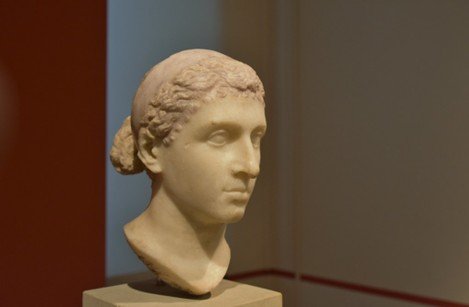
• Country: Egypt
• Position: Queen of Egypt
• Contributions:
• Cleopatra was the last active ruler of the Ptolemaic Kingdom of Egypt. She is famous for her intelligence,...
Timeline of Events: Late 20th Century to Present
20th Century

1. 1989 CE - Fall of the Berlin Wall
• Event: The Berlin Wall, separating East and West Germany, is torn down.
• Significance: Symbolizes the end of the Cold War and the reun...
Timeline of Events: Industrial Revolution & Modern Times
Revolution

1. 1865 CE - End of the American Civil War
• Event: The Civil War ends with the defeat of the Confederacy.
• Significance: Abolishes slavery in the U.S. and strengthens the f...
Timeline of Events: Revolutionary Era
Revolutionary

1. 1789 CE - French Revolution Begins
• Event: The French Revolution erupts, overthrowing the monarchy.
• Significance: Spreads the ideals of liberty, equality, and fraternit...
Timeline of Events: Renaissance to Enlightenment
Enlightenment

1. 1492 CE - Christopher Columbus Discovers America
• Event: Columbus sails across the Atlantic and reaches the Americas.
• Significance: Opens the age of exploration and col...
Timeline of Events: Classical to Medieval Era
Medieval Era
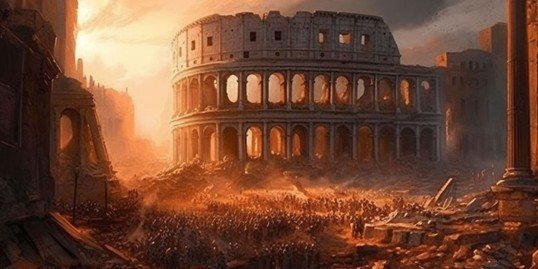
1. 476 CE - Fall of the Roman Empire
• Event: The Western Roman Empire falls to barbarian invaders.
• Significance: Marks the end of Ancient Rome and the beginning of the ...
Timeline of Events: Ancient Civilizations
Ancient Civilizations

1. 3000 BCE - The Rise of Mesopotamian Civilization
• Event: The Sumerians build the first known cities and writing system (cuneiform) in Mesopotamia.
• Significance: The dev...
Explore the World Within
Abraham Lincoln
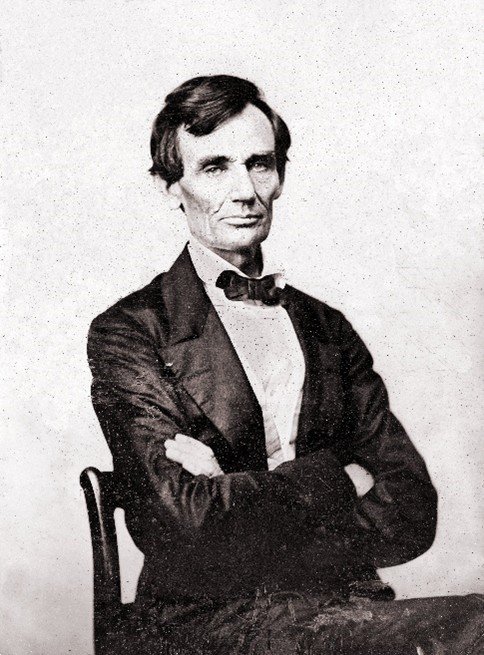
“The best way to predict the future is to create it.” - Abraham Lincoln
• Context: This quote is often attributed to Lincoln, though there is some debate about its exact ori...
Explore the World Within
Aristotle

“We are what we repeatedly do. Excellence, then, is not an act, but a habit.” - Aristotle
• Context: Aristotle, the Greek philosopher, often focused on ethics and the pursui...
Explore the World Within
Rene Descartes
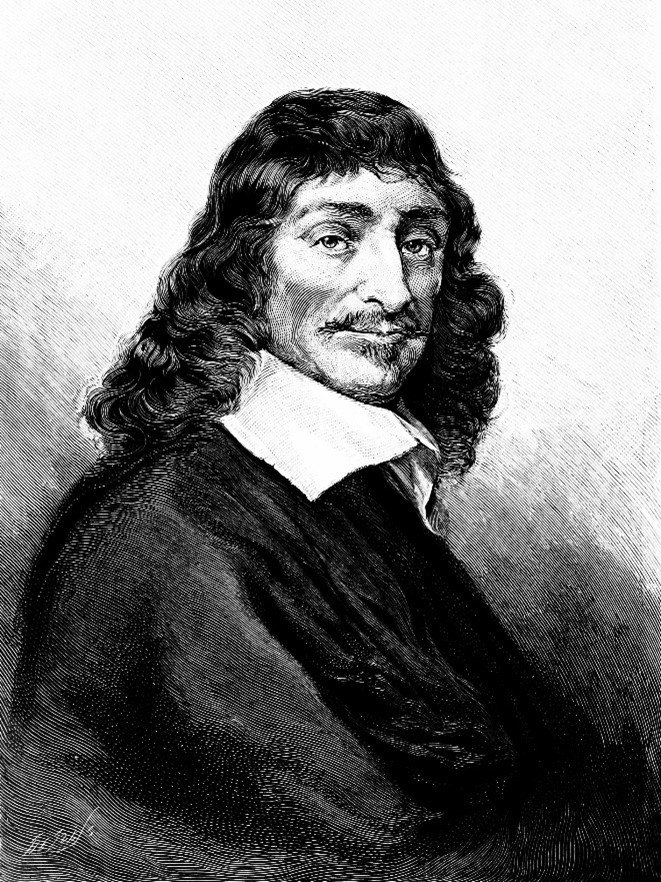
“I think, therefore I am.” - Rene Descartes
• Context: Descartes, a French philosopher, wrote this in Meditations on First Philosophy (1641) as part of his exploration of kn...
Explore the World Within
Mahatma Gandhi
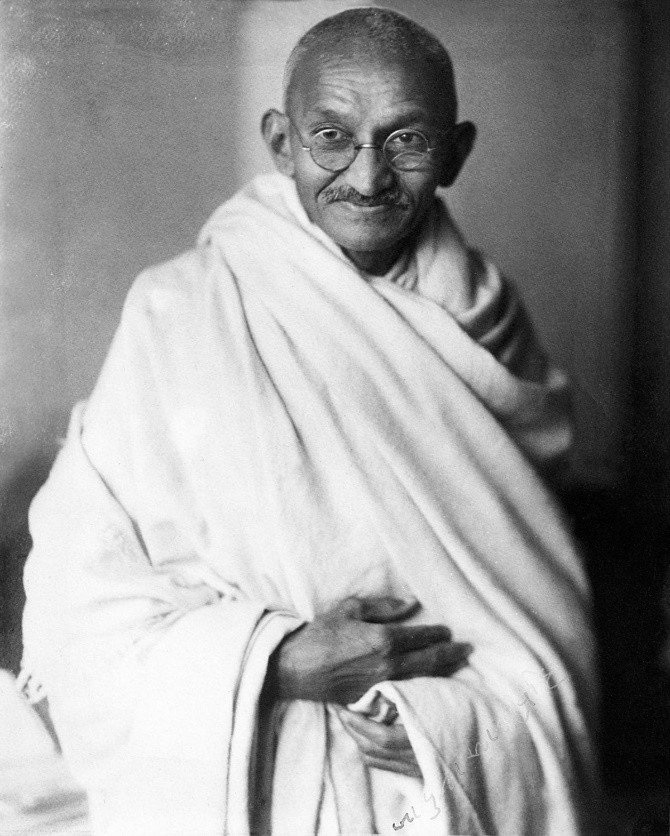
“An eye for an eye only ends up making the whole world blind.” - Mahatma Gandhi
• Context: Another iconic quote from Gandhi, who advocated for nonviolent resistance in the f...
Explore the World Within
Mahatma Gandhi

“You must be the change you wish to see in the world.” - Mahatma Gandhi
• Context: Gandhi, a leader of India’s independence movement, is known for his philosophy of nonvio...
Explore the World Within
George Santayana

“Those who cannot remember the past are condemned to repeat it.” - George Santayana
• Context: This quote comes from Santayana’s book The Life of Reason (1905), where he a...
Explore the World Within
Hippocrates
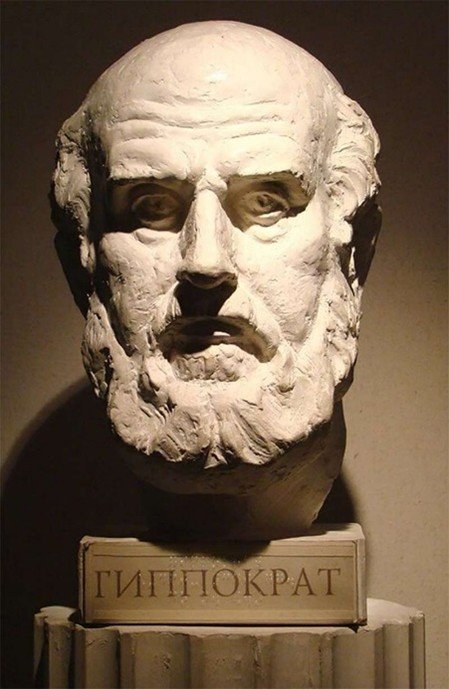
“Let food be thy medicine and medicine be thy food.” - Hippocrates
• Context: Hippocrates, the ancient Greek physician often considered the "Father of Medicine," is credited...
Explore the World Within
Socrates

“The unexamined life is not worth living.” - Socrates
• Context: Socrates is said to have uttered this quote during his trial in Athens, where he was accused of corrupting t...
Explore the World Within
Patrick Henry

“Give me liberty, or give me death!” - Patrick Henry
• Context: Patrick Henry, a leader in the American Revolution, famously declared this during a speech to the Virginia Co...
Martin Luther King Jr.
Martin
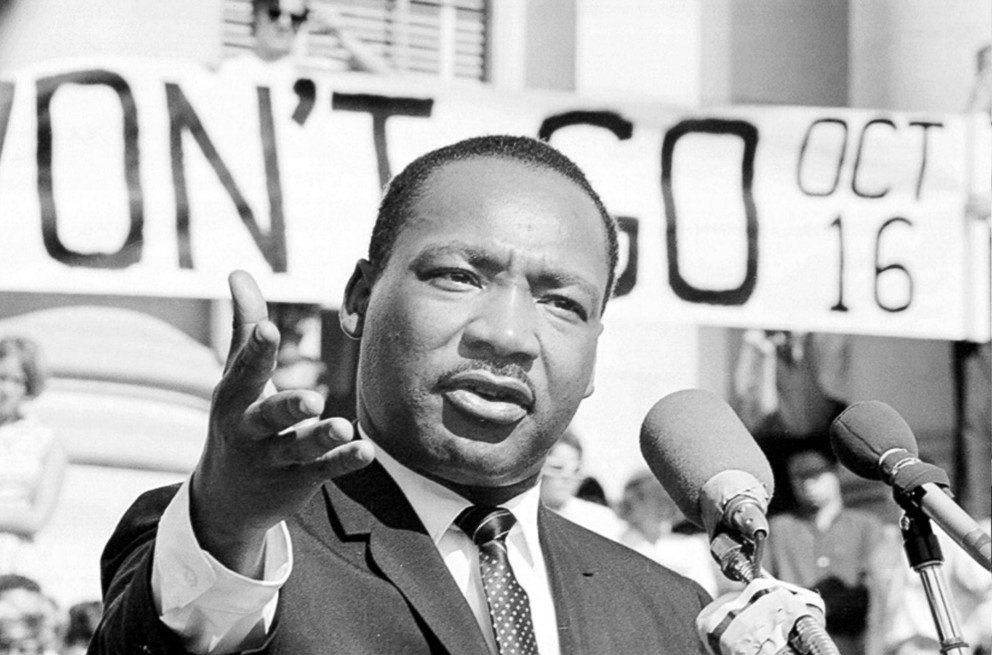
“Injustice anywhere is a threat to justice everywhere.” - Martin Luther King Jr.
• Context: This quote comes from King's "Letter from Birmingham Jail" (1963), where he defen...
Franklin D. Roosevelt
Franklin
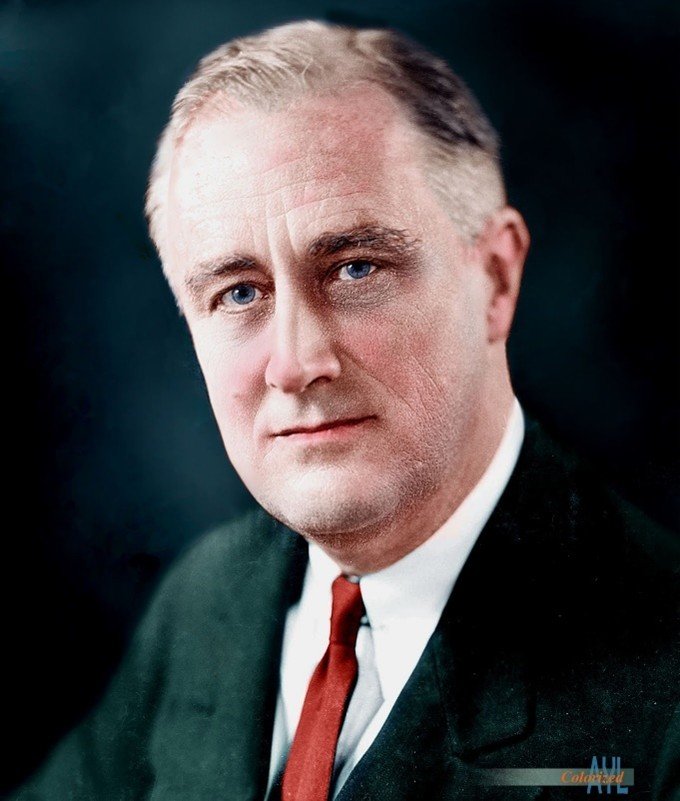
“The only thing we have to fear is fear itself.” - Franklin D. Roosevelt
• Context: FDR said this during his inaugural address on March 4, 1933, when the United States was i...
Explore the World Within
Xi Jinping

• Country: China
• Key Contributions:
• The current President of China, Xi has consolidated power and pushed forward a vision of China's rise as a global superpower.
• H...
Explore the World Within
Nelson Mandela
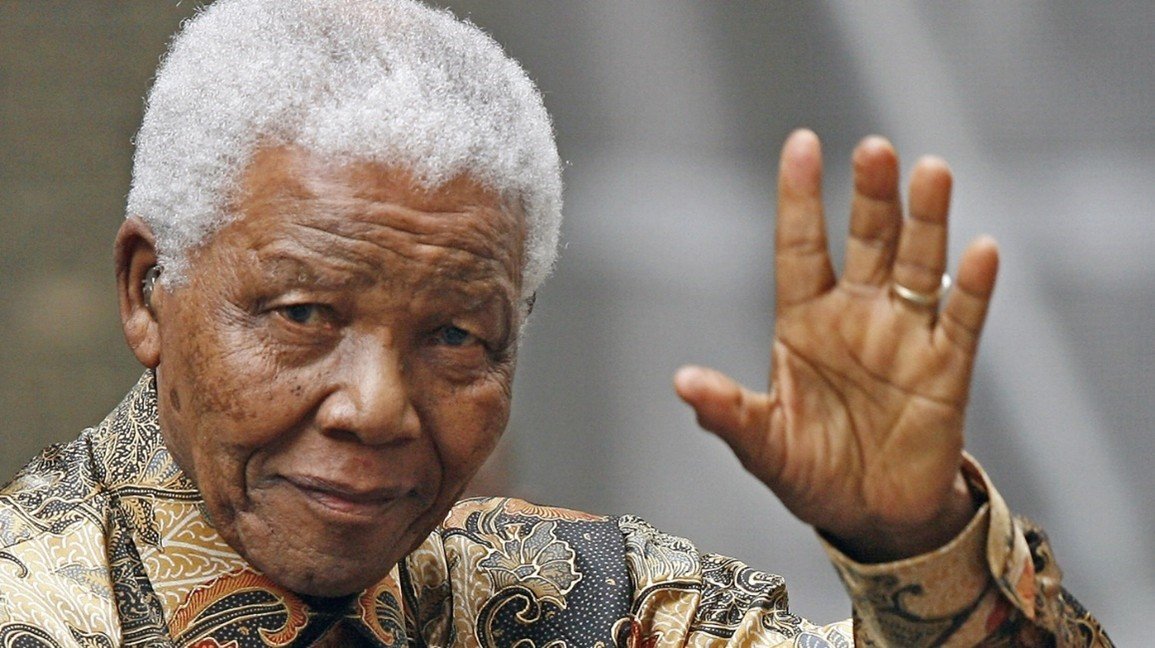
• Country: South Africa
• Key Contributions:
• Anti-apartheid revolutionary who spent 27 years in prison for his fight against South Africa’s racial segregation policies....
Winston Churchill
Winston
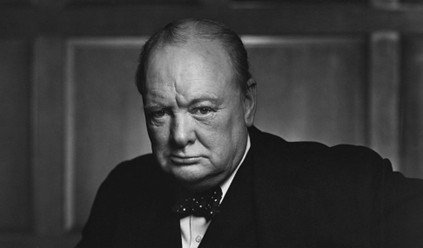
• Country: United Kingdom
• Key Contributions:
• Prime Minister during World War II, Churchill’s leadership was crucial in maintaining British morale and coordinating the...
Explore the World Within
Mahatma Gandhi
• Country: India
• Key Contributions:
• Led India's struggle for independence from British colonial rule through nonviolent civil disobedience.
• His philosophy of nonvi...
Explore the World Within
Abraham Lincoln

• Country: United States
• Key Contributions:
• Led the U.S. through its Civil War, preserving the Union and ending slavery with the Emancipation Proclamation.
• Known f...
Napoleon Bonaparte
Napoleon
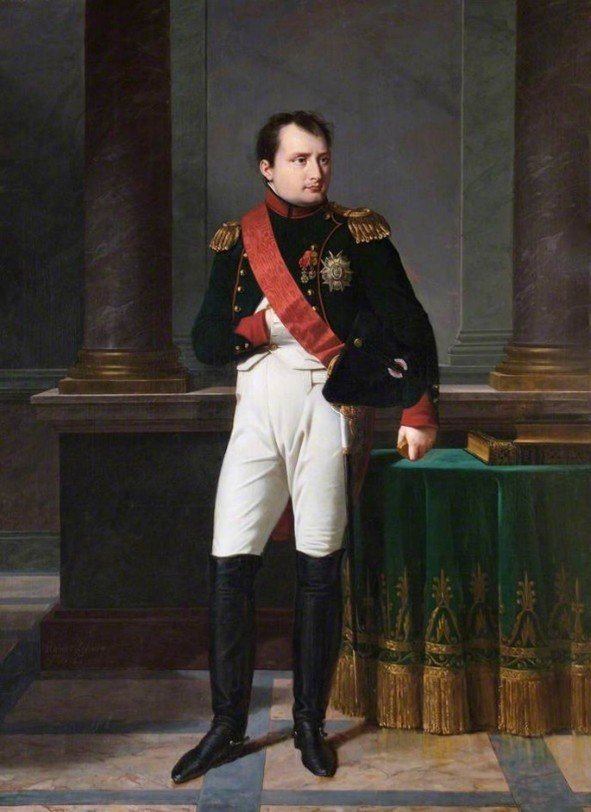
• Country: France
• Key Contributions:
• Rose to prominence during the French Revolution and became the Emperor of France.
• Expanded French territory across much of Eur...
Explore the World Within
Queen Elizabeth I
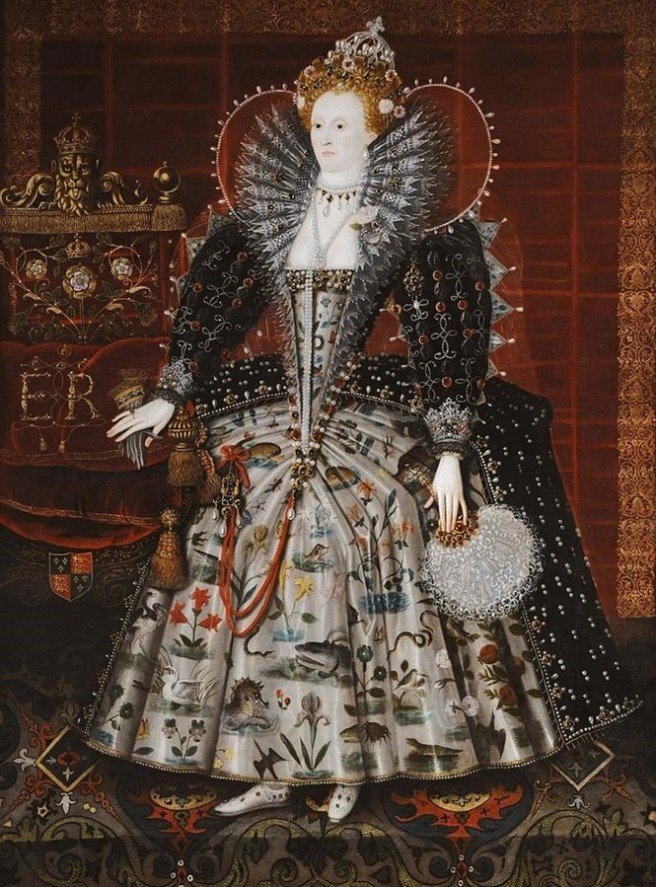
• Country: England
• Key Contributions:
• Elizabeth's reign is often referred to as the Elizabethan Era, a time of cultural flourishing, including the works of William Shak...
Explore the World Within
Emperor Augustus
• Country: Rome (Roman Empire)
• Key Contributions:
• The first emperor of Rome, Augustus transformed Rome from a republic to an empire.
• His reign brought about a peri...
Explore the World Within
Julius Caesar

• Country: Rome (Roman Republic)
• Key Contributions:
• Expanded the Roman Republic through military conquest, notably in Gaul (modern-day France).
• Played a key role i...
Alexander the Great
Alexander
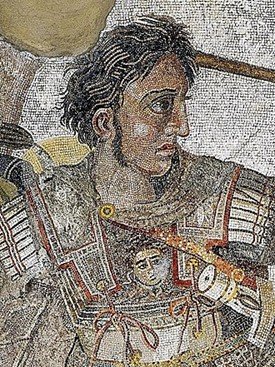
1. Alexander the Great (356–323 BCE)
• Country: Macedonia
• Key Contributions:
• One of the most successful military commanders in history, Alexander created one of the ...
New Year’s Eve & Day Celebrations
New Year’s Eve

New Year’s celebrations are found all around the world, and they often include parties, fireworks, and family gatherings. But the way the new year is celebrated has changed over ...
Explore the World Within
National Holidays
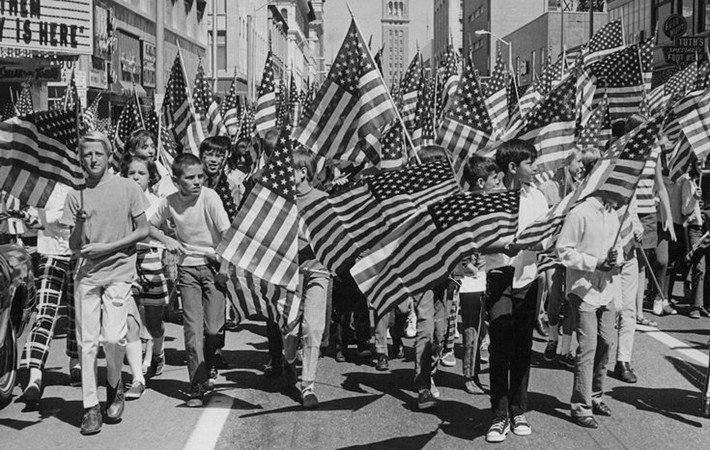
National holidays are days that are celebrated by an entire country, often to commemorate important historical events, cultural milestones, or figures. While some holidays are very...
Explore the World Within
Wedding Customs

Weddings are one of the most significant celebrations in many cultures. While the basic idea of a wedding-a ceremony to unite two people-has remained the same for centuries, the tr...
The Disappearance of Amelia Earhart (1937)
Amelia Earhart

• Where & When: Pacific Ocean, 1937
• What Happened: Amelia Earhart was a pioneering American aviator who set many flight records. In 1937, she attempted to become the first w...
The Lost City of Atlantis
Atlantis

• Where & When: The exact location is unknown, but it was first described by Plato around 360 BCE.
• What Happened: The story of Atlantis comes from the writings of the Greek ...
The Lost Colony of Roanoke (1587)
Roanoke

• Where & When: Roanoke Island, North Carolina, 1587
• What Happened: In 1587, English settlers established a colony on Roanoke Island. However, when a supply ship returned to...
Pigeons: The Feathered Messengers of War
Pigeons
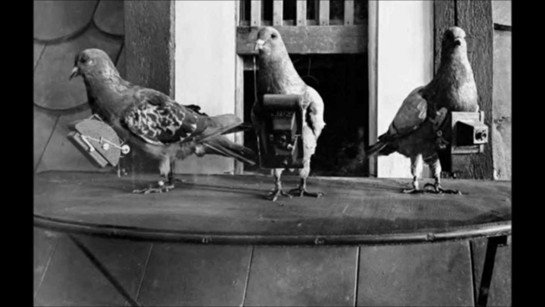
Pigeons might seem like ordinary birds, but during World War I and World War II, they were used in incredibly important ways as messengers, saving countless lives.
Famous Story: C...
Dogs: The Loyal Helpers and Heroes
Dogs

Dogs have been with humans for thousands of years, serving as loyal companions, guardians, and helpers in a wide range of roles. Their ability to understand and bond with humans ha...
Horses: The Unsung Heroes of War
Horses
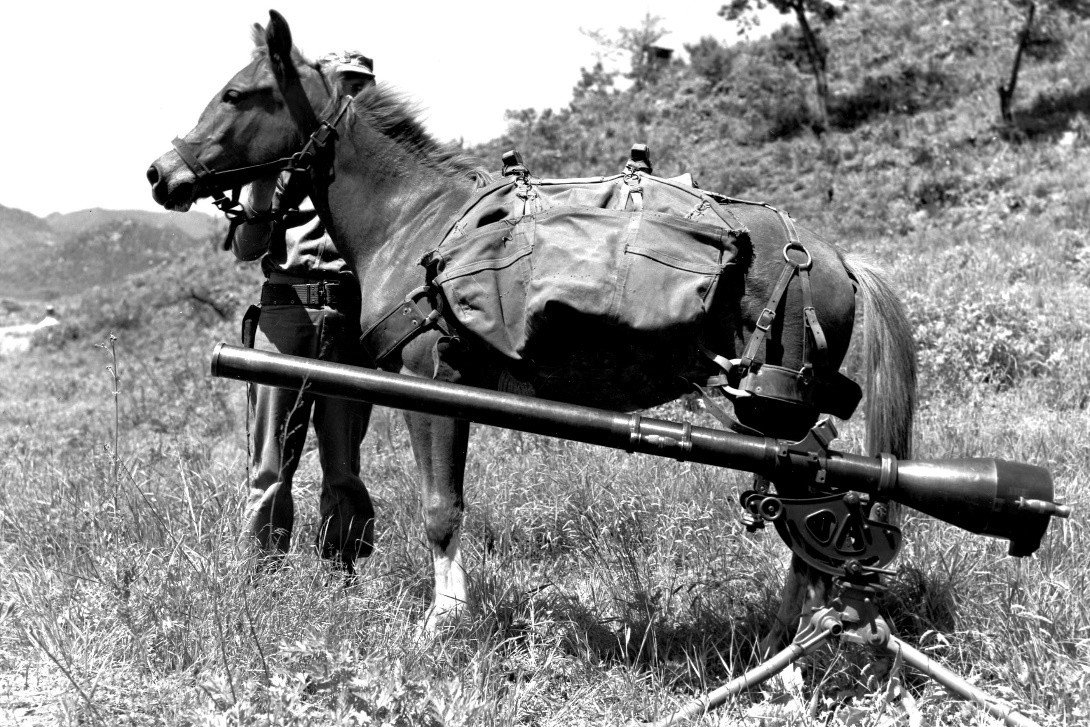
• Role in History: Horses have been central to human history, particularly in warfare, transportation, and agriculture. They have carried kings into battle, delivered messages, a...
The U.S. Constitution
U.S. Constitution
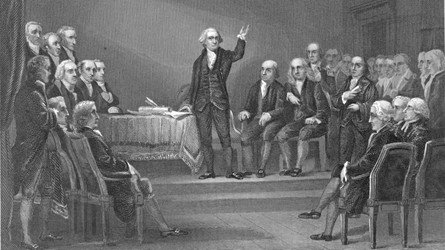
• Where & When: United States, 1787
• What It Is: The U.S. Constitution is the supreme law of the United States. It outlines the structure of the U.S. government, dividing it ...
The Magna Carta (1215)
Magna

• Where & When: England, 1215
• What It Is: The Magna Carta (meaning "Great Charter" in Latin) was a document that King John of England was forced to sign by his nobles. It li...
The Declaration of Independence (1776)
Independence

• Where & When: United States, July 4, 1776
• What It Is: The Declaration of Independence is a document in which the 13 American colonies declared their independence from Brit...
The Pyramids and Architecture (Ancient Egypt)
Pyramids
.jpg "Pyramids")
• Time Period: Around 2500 BCE
• Contribution: Ancient Egypt is known for its extraordinary architectural achievements, most famously the Pyramids of Giza. These immense stone...
The Concept of Democracy (Ancient Greece)
Democracy
.jpg "Democracy")
• Time Period: 5th century BCE
• Contribution: Ancient Greece, particularly the city-state of Athens, is credited with the development of the concept of democracy-a system of ...
Mathematical Discoveries (Ancient India)
Mathematical
.jpg "Mathematical")
• Time Period: Around 500 BCE – 500 CE
• Contribution: Ancient Indian mathematicians made several key contributions to mathematics, many of which are foundational to modern ...
The Invention of Paper (China)
Paper
.jpg "Paper")
• Time Period: 2nd century BCE
• Contribution: The invention of paper is one of China’s most important contributions to the world. The Chinese invented paper during the Han ...
The Modern Olympics Revived
Modern Olympics
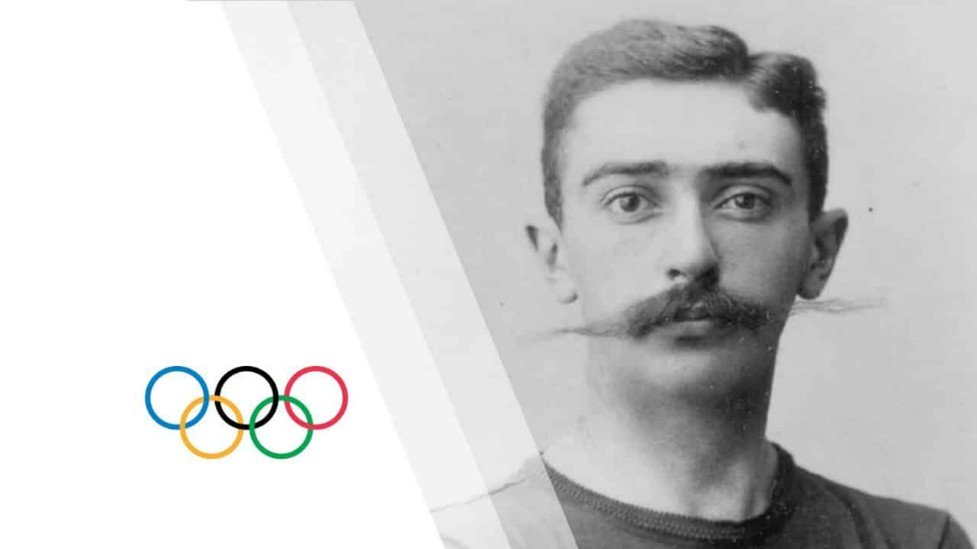
In 1896, the modern Olympic Games were revived by Frenchman Pierre de Coubertin, inspired by the ancient Greek tradition. The first modern Olympics were held in Athens, Greece, whe...
Explore the World Within
Events and Sports

• Running was the most important event, but over time, the Olympics expanded to include:
• Wrestling: Athletes grappled in a style similar to modern wrestling.
• Boxing: Th...
The Olympic Truce
Truce
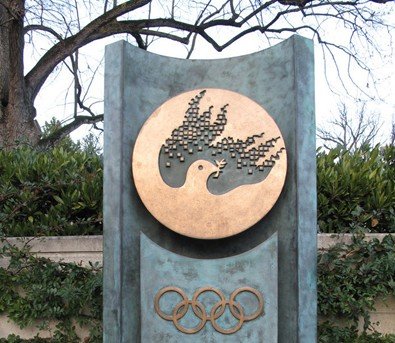
The ancient Olympics were meant to be a time of peace. The Olympic Truce (or "Ekecheiria") was declared, meaning that all Greek city-states would agree to halt any wars or fighting...
The Athletes Were Men (and Often Naked!)
Athletes

Only free Greek men were allowed to compete in the ancient Olympics, and women were not allowed to participate in or even watch the games (though some sources suggest that women we...
The Olympic Flame
Flame
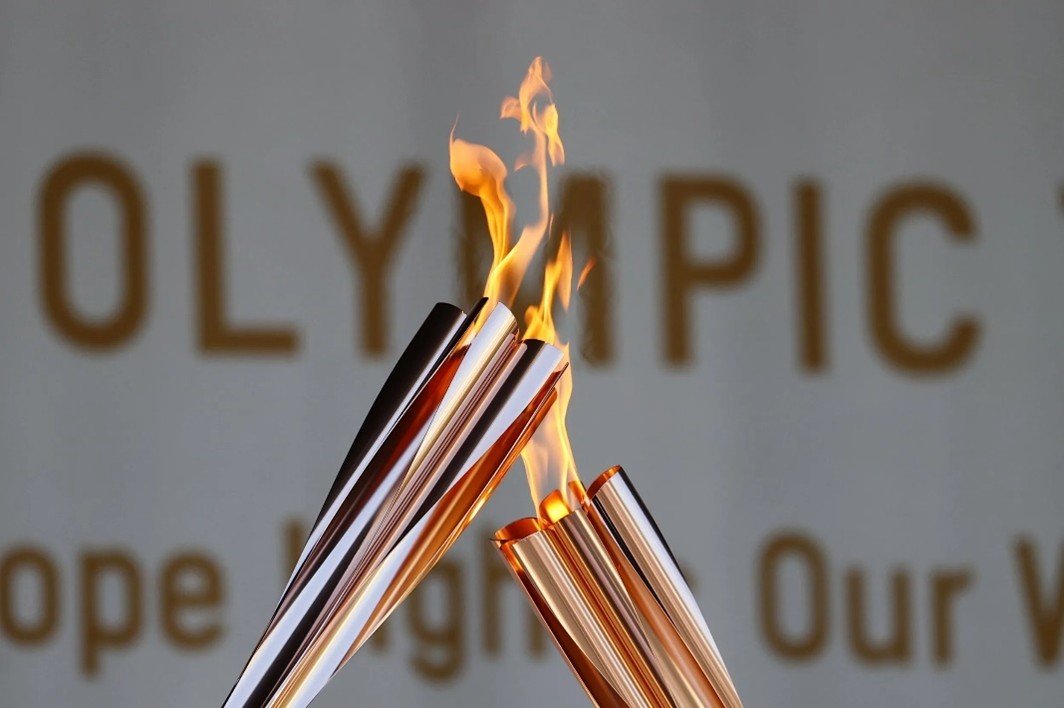
The Olympic flame has its origins in the ancient Olympics. A sacred flame was kept burning throughout the festival in honor of Zeus. Today, the flame is lit at a special ceremony i...
Only One Event at First
Only One Event

The first Olympic Games featured just one event: the stadion race, a sprint of about 192 meters (the length of the stadium). This was the simplest race, and it was the only event f...
Origins in Ancient Greece
Ancient Greece

• When & Where: The first recorded Olympic Games were held in 776 BCE in Olympia, Greece. They were held in honor of Zeus, the king of the Greek gods. The games were part of a re...
Explore the World Within
Malala Yousafzai
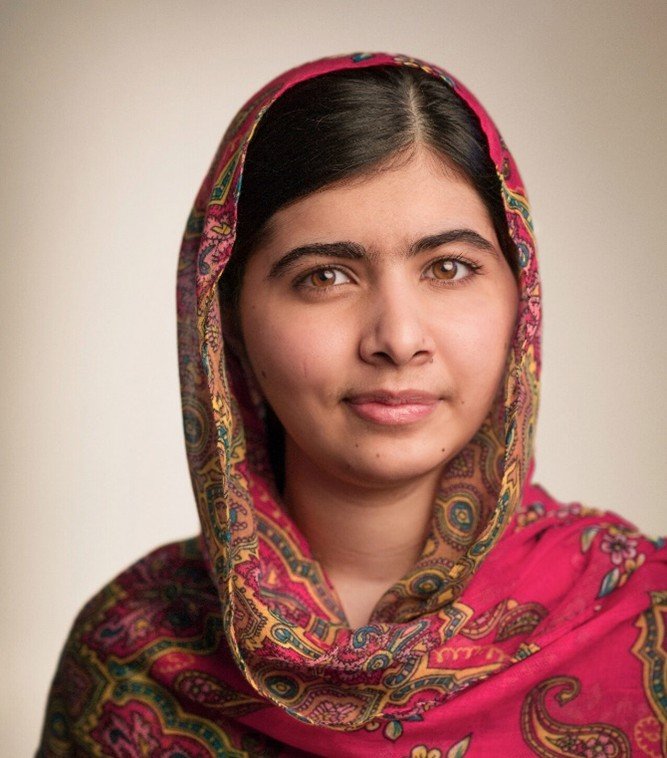
• Time Period: 2012-present
• Story: Malala Yousafzai is a Pakistani girl who became a global advocate for girls’ education after surviving an assassination attempt by the T...
Explore the World Within
Ruby Bridges
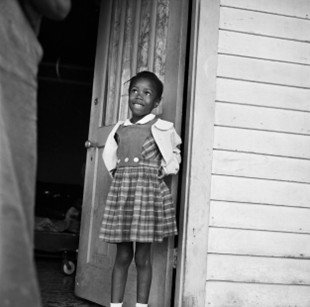
• Time Period: 1960, Civil Rights Movement in the United States
• Story: Ruby Bridges became the first African American child to integrate an all-white public elementary schoo...
The Child Workers of the Industrial Revolution
The Child Workers

• Time Period: Late 1700s to the early 1800s
• Story: During the Industrial Revolution in Britain and the United States, children were often forced to work in harsh conditions...
Explore the World Within
Anne Frank

• Time Period: 1942-1944, during World War II
• Story: Anne Frank was a Jewish girl who spent two years in hiding in Amsterdam with her family during the Holocaust to escape N...
American Gothic by Grant Wood
Grant Wood

• Where it's from: The Art Institute of Chicago, Illinois
• Created by: Grant Wood in 1930
• Story: American Gothic shows a farmer and his daughter standing in front of a s...
The Birth of Venus by Sandro Botticelli
Sandro Botticelli

• Where it's from: The Uffizi Gallery, Florence, Italy
• Created by: Sandro Botticelli in the 1480s
• Story: This mythological painting shows Venus, the goddess of love, em...
Guernica by Pablo Picasso
Pablo Picasso

• Where it's from: The Museo Reina Sofía, Madrid, Spain
• Created by: Pablo Picasso in 1937
• Story: Guernica is a huge mural painted by Picasso to protest the bombing of ...
Girl with a Pearl Earring by Johannes Vermeer
Johannes Vermeer

• Where it's from: The Mauritshuis Museum, The Hague, Netherlands
• Created by: Johannes Vermeer in 1665
• Story: Often called the "Mona Lisa of the North," this painting s...
The Persistence of Memory by Salvador Dalí
Salvador Dalí
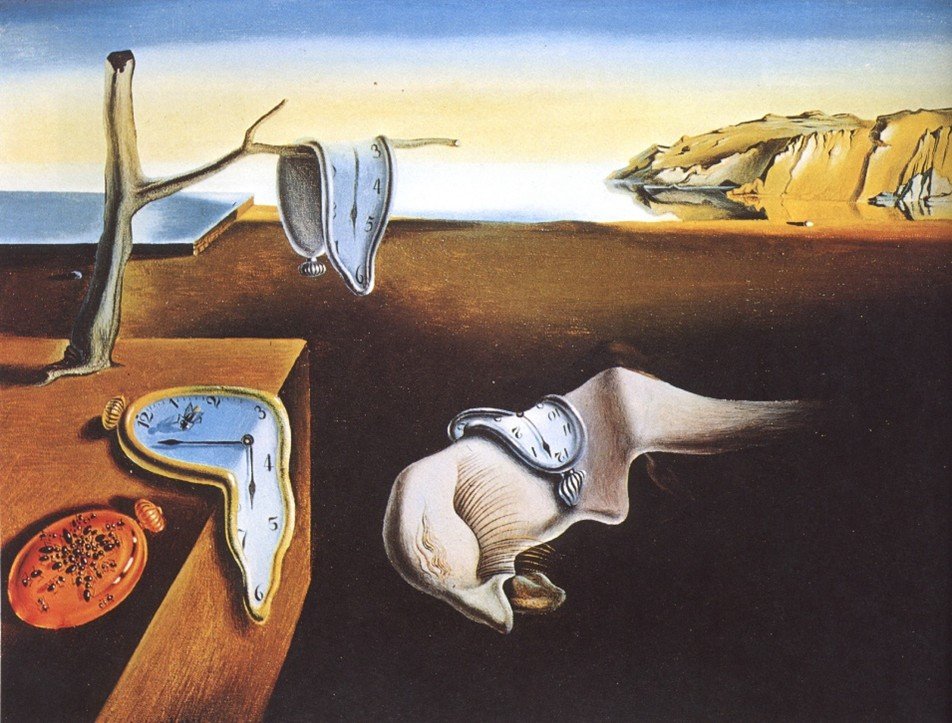
• Where it's from: The Museum of Modern Art, New York
• Created by: Salvador Dalí in 1931
• Story: This surrealist painting is famous for its melting clocks draped over a ...
The Scream by Edvard Munch
Edvard Munch

• Where it's from: The National Gallery, Oslo, Norway
• Created by: Edvard Munch in 1893
• Story: The Scream shows a figure on a bridge with a wide-open mouth and hands on ...
The Starry Night by Vincent van Gogh
Starry Night

• Where it's from: The Museum of Modern Art, New York
• Created by: Vincent van Gogh in 1889
• Story: The Starry Night is one of van Gogh's most beloved works. Van Gogh pai...
The Mona Lisa by Leonardo da Vinci
Mona Lisa

• Where it's from: The Louvre Museum, Paris
• Created by: Leonardo da Vinci in the early 1500s
• Story: The Mona Lisa is one of the most famous paintings in the world! It s...
Myth: The Earth Was Once Believed to Be Flat
Myth: The Earth
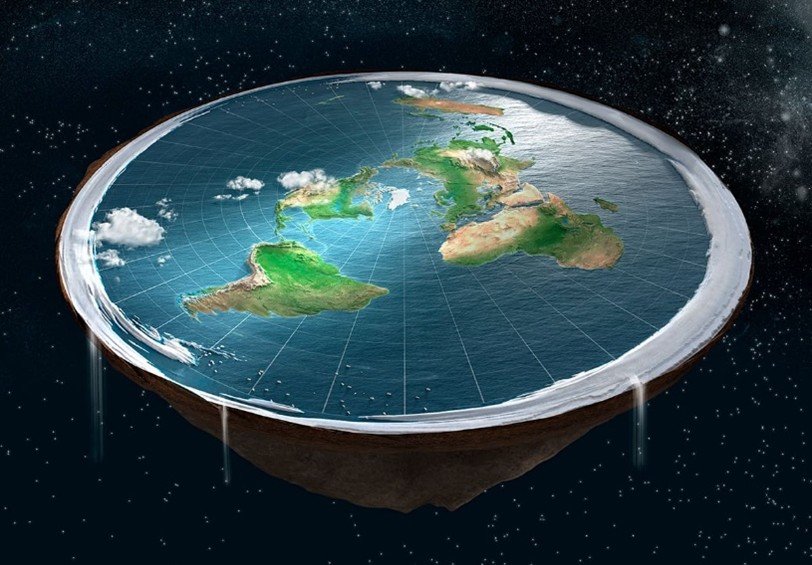
The Myth
It’s commonly believed that everyone in the Middle Ages thought the Earth was flat, and that Columbus proved the Earth was round.
The Fact
• Ancient Knowledge: The ...
Myth: The Middle Ages Were a "Dark Age" of Ignorance and Backwardness
"Dark Age"
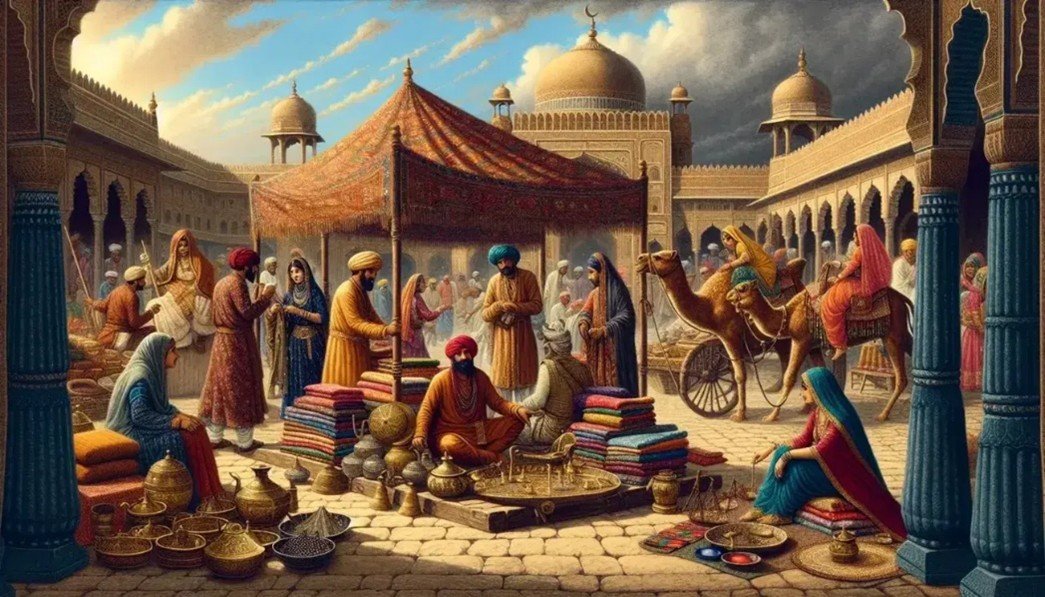
The Myth
The term "Dark Ages" is often used to describe the Middle Ages (approximately 500 to 1500 AD), suggesting it was a time of ignorance, superstition, and lack of progress. ...
Myth: The Great Wall of China Is Visible from Space
Great Wall of China

The Myth
One of the most popular myths about the Great Wall of China is that it is the only man-made object visible from space. This claim has been widely spread through books, do...
Myth: Columbus Discovered America
Columbus
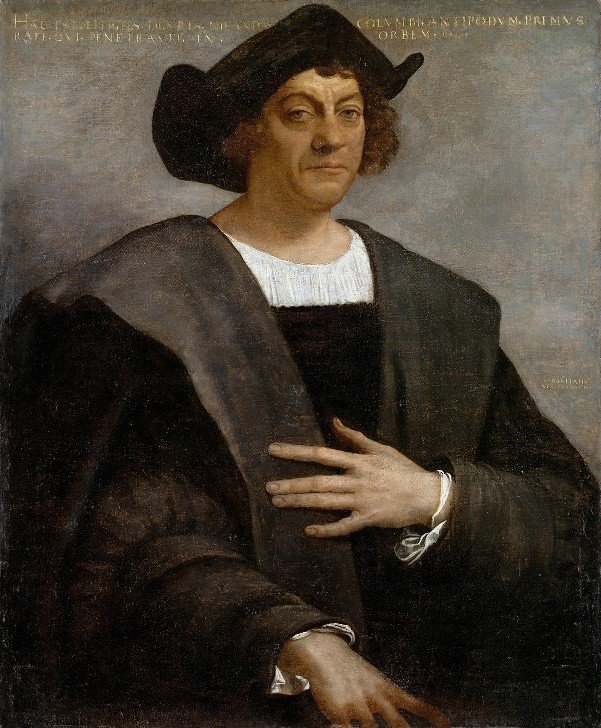
The Myth
Many people believe that Christopher Columbus was the first European to discover the Americas. The famous story often tells how Columbus “Discovered" the continent in 1...
Myth: Vikings Wore Horned Helmets
Vikings

The Myth
The image of Vikings wearing horned helmets is so ingrained in our minds that it’s difficult to imagine them without it. This myth is often portrayed in movies, TV show...
Myth: Napoleon Was Extremely Short
Napoleon
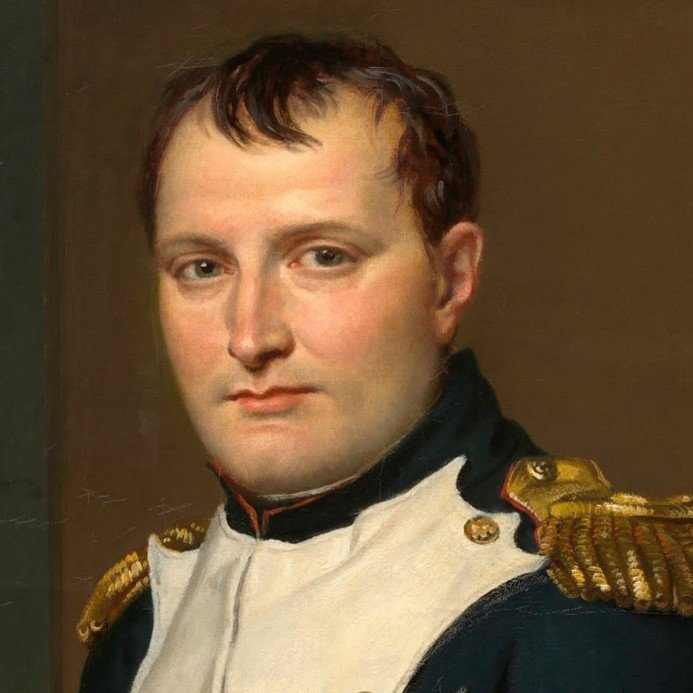
The Myth
One of the most enduring myths about Napoleon Bonaparte, the famous French military leader, is that he was very short. This idea has been widely accepted in popular cultu...
Diwali: The Festival of Lights
Diwali
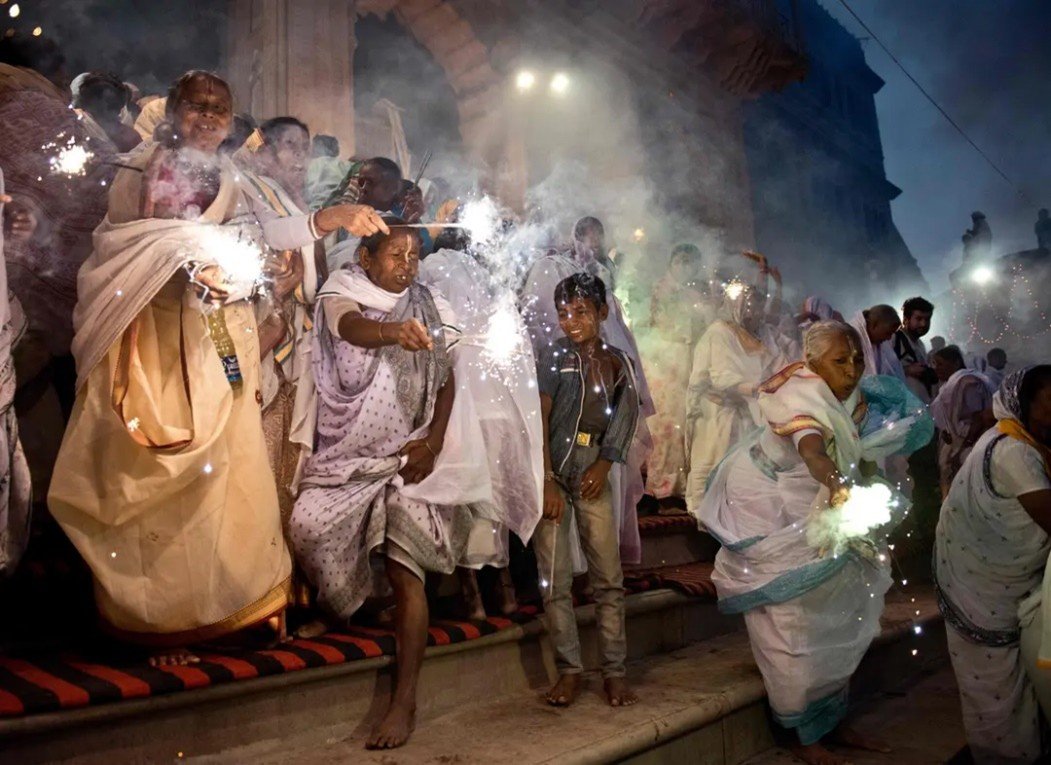
Origins of Diwali
• Hindu Origins: Diwali, also known as the Festival of Lights, is one of the most important holidays in Hinduism, celebrating the victory of light over darknes...
Halloween: Spirits and Harvests
Halloween
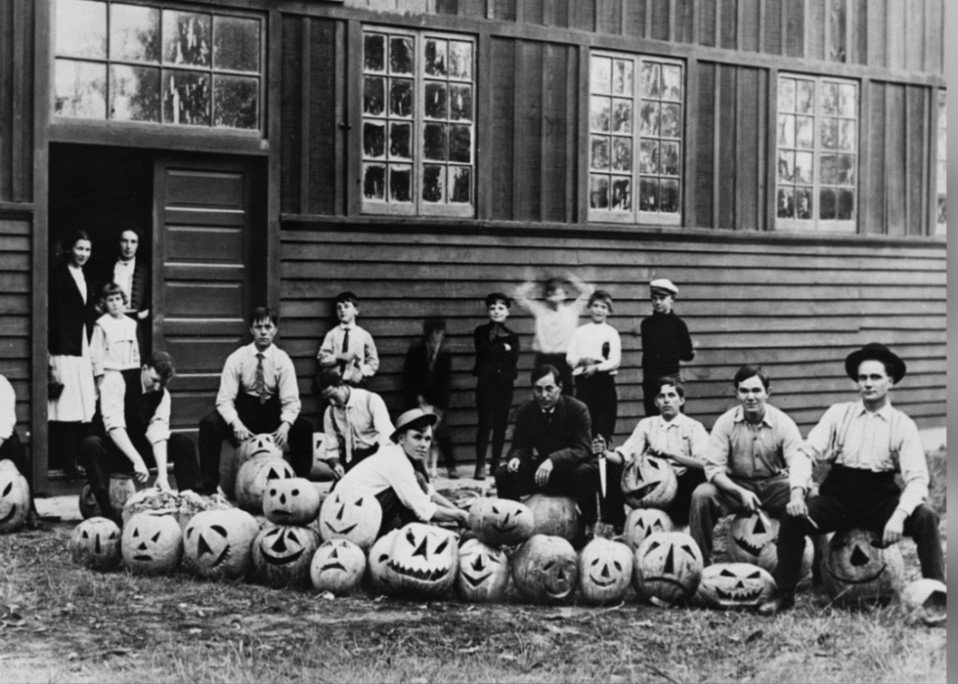
Origins of Halloween
• Celtic Origins (Samhain): Halloween’s roots go back to the ancient Celtic festival of Samhain, celebrated around October 31st. Samhain marked the end of...
Christmas: A Celebration of Birth and Light
Christmas

Origins of Christmas
• Christian Origins: Christmas celebrates the birth of Jesus Christ and is one of the most important holidays in Christianity. It’s celebrated on December...
Industrial Revolution
Industrial
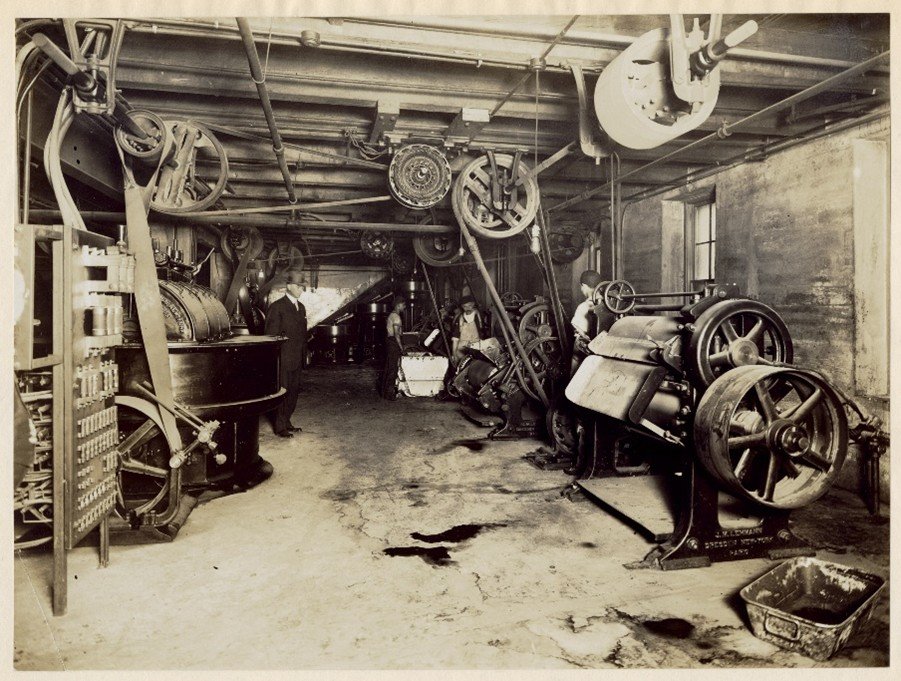
What Was Life Like?
• Homes: This was a time when lots of people moved to cities to work in factories. The factories made clothes, shoes, and even machines, but the buildings we...
The Renaissance
Renaissance

What Was Life Like?
• Homes: The Renaissance was a time when cities started to grow. Rich families lived in beautiful palaces decorated with artwork. They had fancy furniture, t...
Explore the World Within
The Middle Ages
What Was Life Like?
• Homes: In the Middle Ages, most people lived in small villages or on farms. If you were a peasant (most people were!), your home would be a simple house ma...
The Battle of Hastings (1066) – The Norman Conquest of England
Hastings

What Happened:
In 1066, the Battle of Hastings was fought between the Anglo-Saxons, who were led by King Harold II, and the Normans, led by William the Conqueror. It was a decisiv...
The Trojan War (Around 1200 BCE) – The Battle of the Wooden Horse
The Trojan War

What Happened:
The Trojan War is a story from Greek mythology, and while historians aren’t sure if it really happened, it’s one of the most famous stories in ancient history. ...
The Battle of Gettysburg (1863) – The Turning Point of the American Civil War
Gettysburg
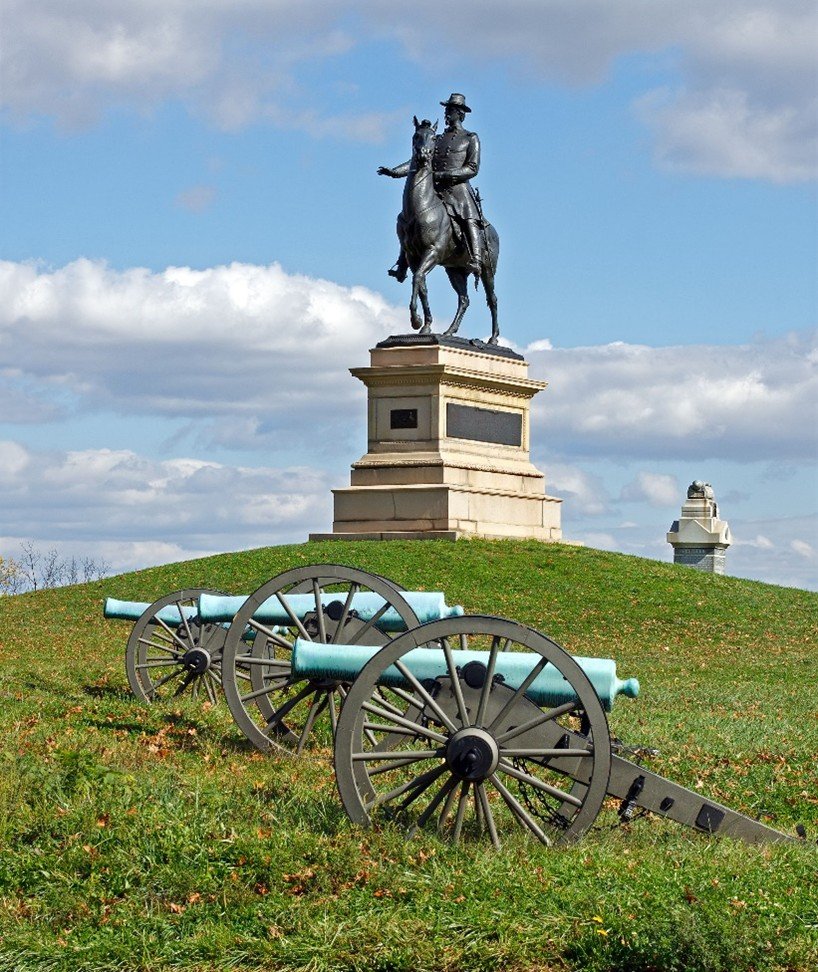
What Happened:
The Battle of Gettysburg took place during the American Civil War between the Union (the Northern states) and the Confederacy (the Southern states). It happened fro...
Nelson Mandela (1918–2013): Father of Modern South Africa and Icon of Peace
Nelson

Story: Nelson Mandela, born in the village of Mvezo, South Africa, came to embody the global struggle for racial equality, freedom, and justice. Growing up in a rural village, Mand...
Marie Curie (1867–1934): Trailblazer in Science and Pioneering Researcher
Marie Curie
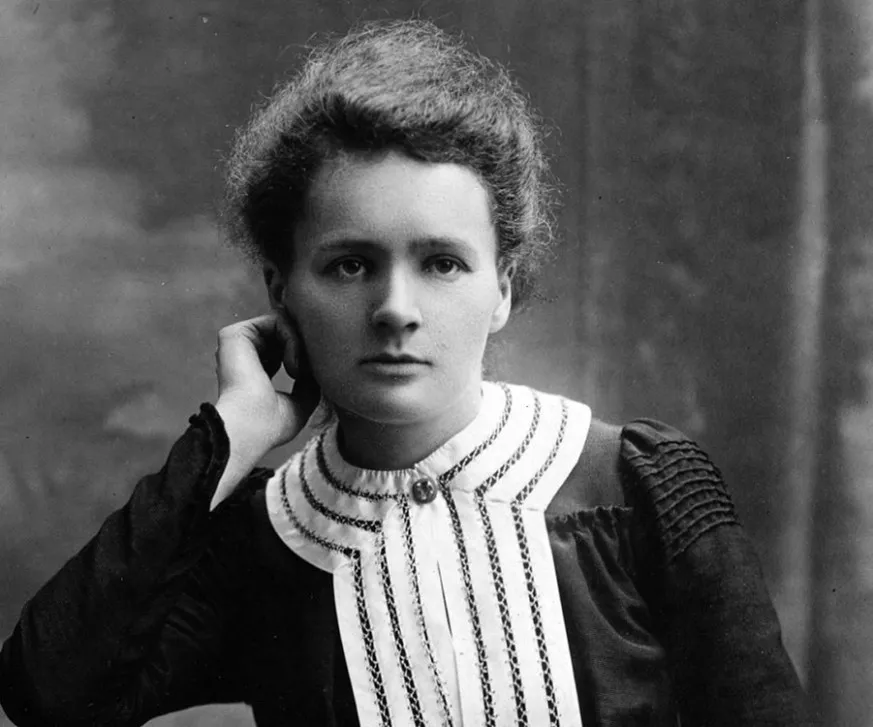
Story: Marie Curie, born Maria Skłodowska in Warsaw, Poland, is one of the most important figures in the history of science. She was a physicist and chemist who discovered two rad...
Martin Luther King Jr. (1929–1968): Champion of Civil Rights and Nonviolence
Martin
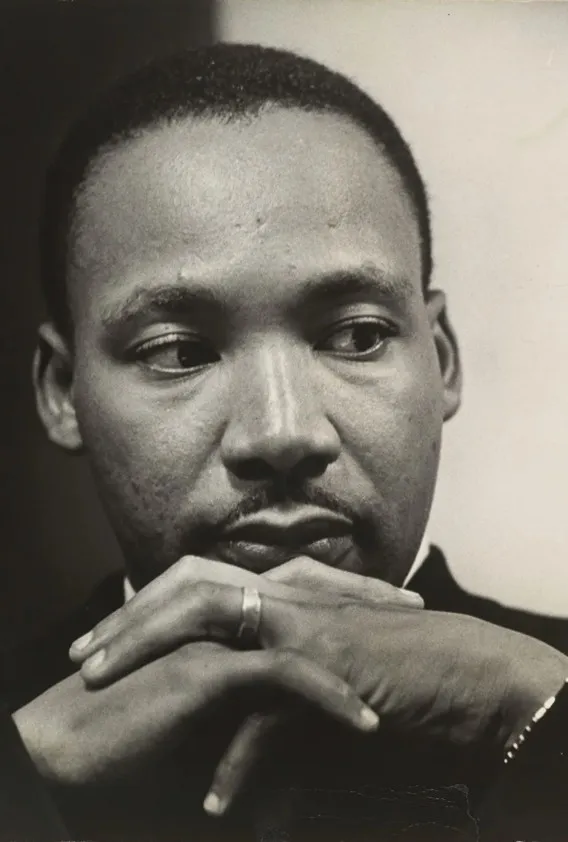
Story: Martin Luther King Jr. is remembered as one of the most influential leaders of the American Civil Rights Movement. Born in Atlanta, Georgia, King was deeply influenced by hi...
Griffins: Guardians of Wealth and Power
Griffins
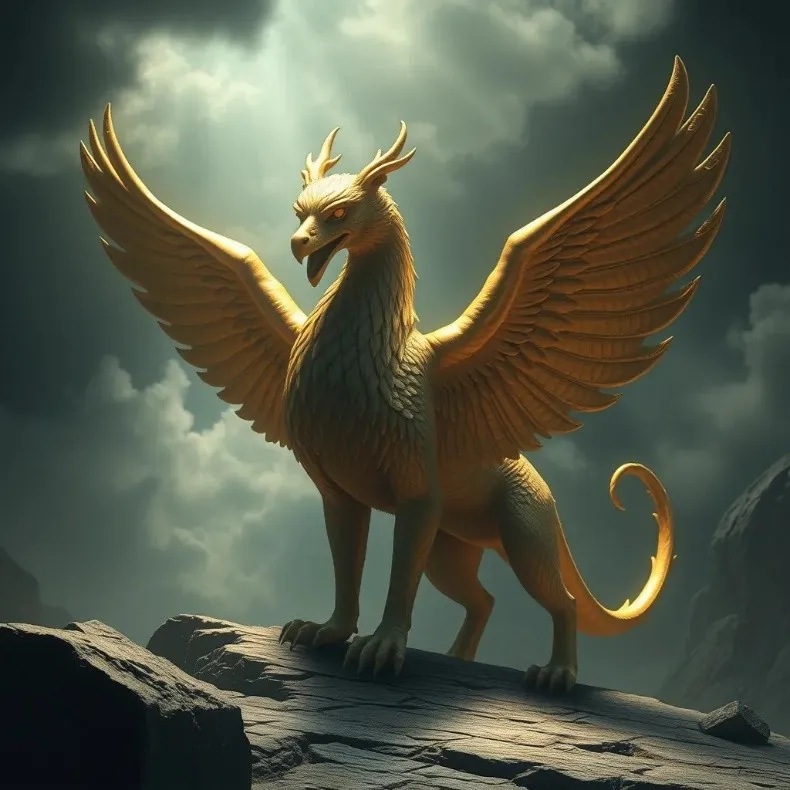
Across Cultures:
Greek Griffins: The griffin, a creature with the body of a lion and the head and wings of an eagle, was revered by ancient Greeks. It was believed to guard treasu...
Unicorns: Beacons of Purity and Magic
Unicorns
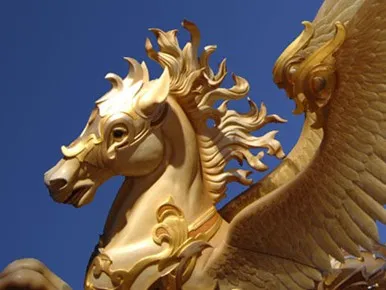
Across Cultures:
• European Unicorns: In medieval European folklore, the unicorn is depicted as a horse-like creature with a single spiraling horn, often associated with purity,...
Dragons- The Majestic and Fearsome Beasts
Dragons
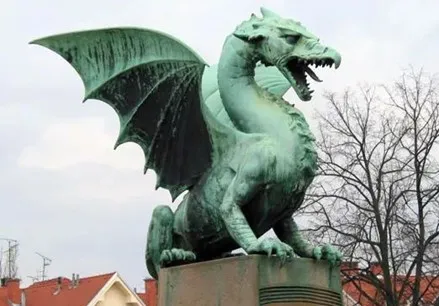
Across Cultures:
• Chinese Dragons: In Chinese culture, dragons are symbols of strength, good fortune, and imperial power. Unlike the fire-breathing monsters of Western mytholog...
Inventors and Inventions: Marie Curie and Radioactivity
Marie Curie
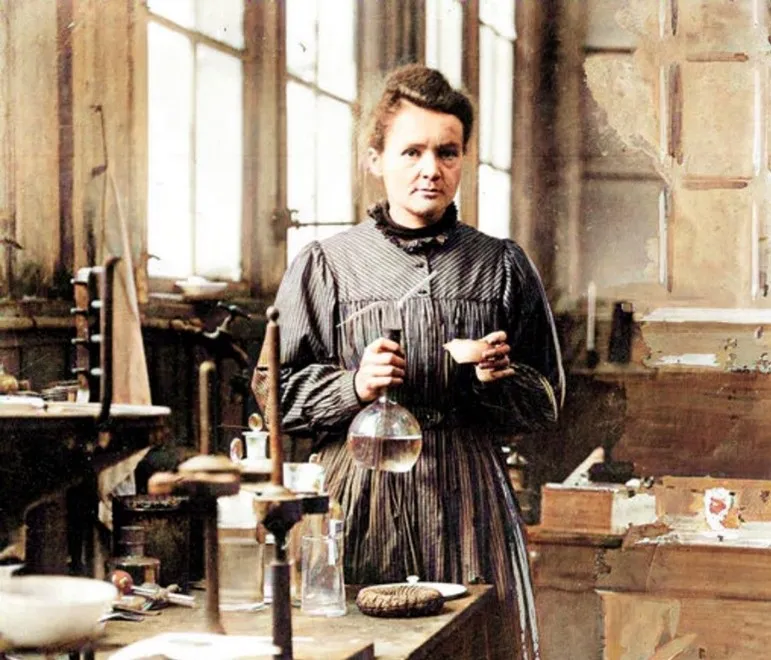
Story: Marie Curie was a pioneering scientist and one of the first women to achieve worldwide recognition for her work. Born in Poland and later moving to Paris, Curie became fasci...
Inventors and Inventions: Alexander Graham Bell and the Telephone
Alexander
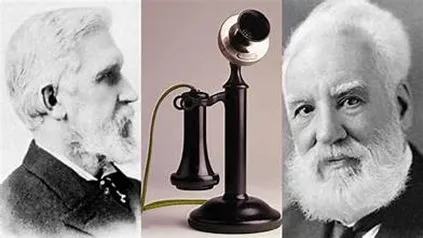
Story: Alexander Graham Bell’s passion for sound and communication began at a young age. Born in Scotland, Bell’s family was deeply involved in the study of speech and hearing....
Inventors and Inventions: Thomas Edison and the Lightbulb
Thomas Edison
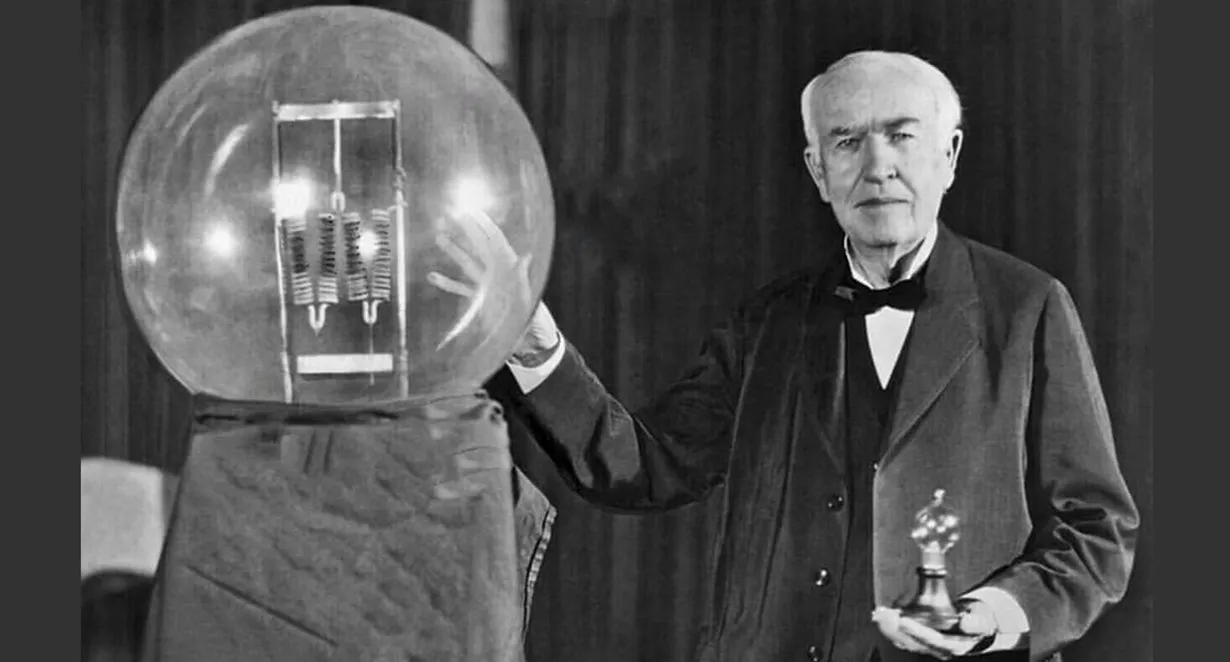
Story: Thomas Edison is one of the most famous inventors in history, known for his many groundbreaking innovations, including the electric lightbulb. However, Edison wasn't the fir...
Ancient Civilizations: Ancient Mayans
Mayans
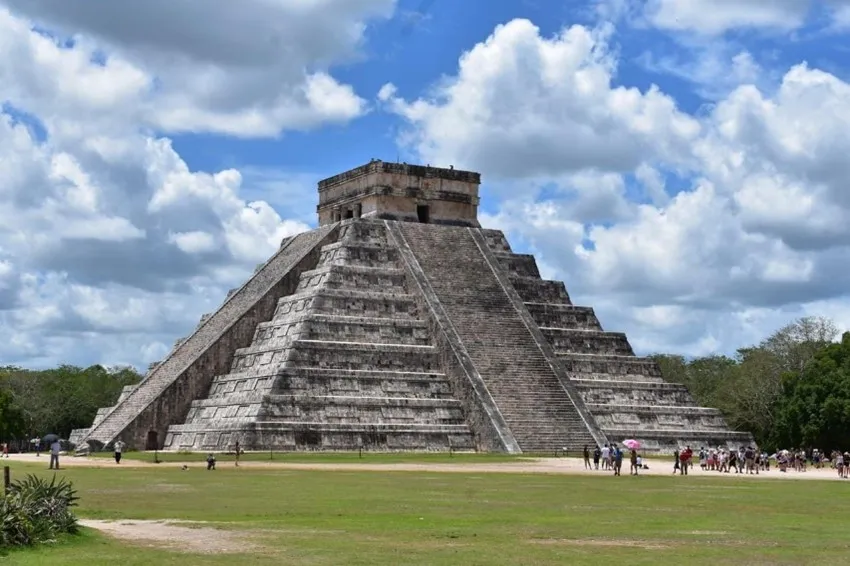
Fun Facts:
1. Advanced Calendar System: The Mayans developed a calendar system that was far more accurate than the Gregorian calendar used today. Their Mayan Long Count calendar t...
Ancient Civilizations: Ancient Romans
Romans
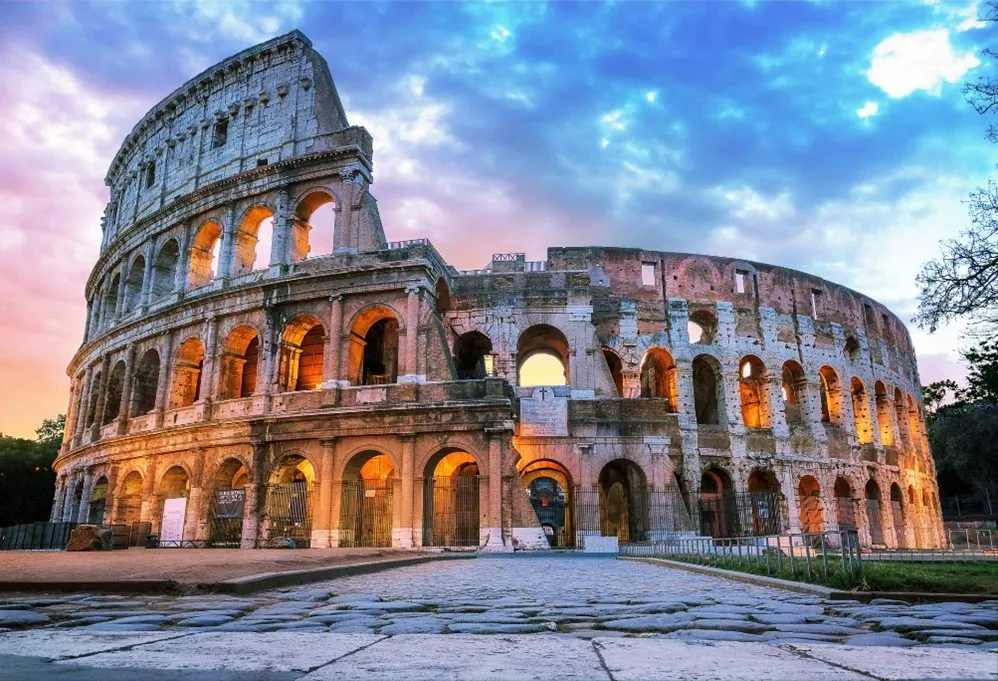
Fun Facts:
1. Road Builders and Engineers: The Romans are famous for their advanced engineering skills, especially in road construction. They built a network of over 250,000 miles...
Ancient Civilizations: Ancient Egyptians
Egyptians
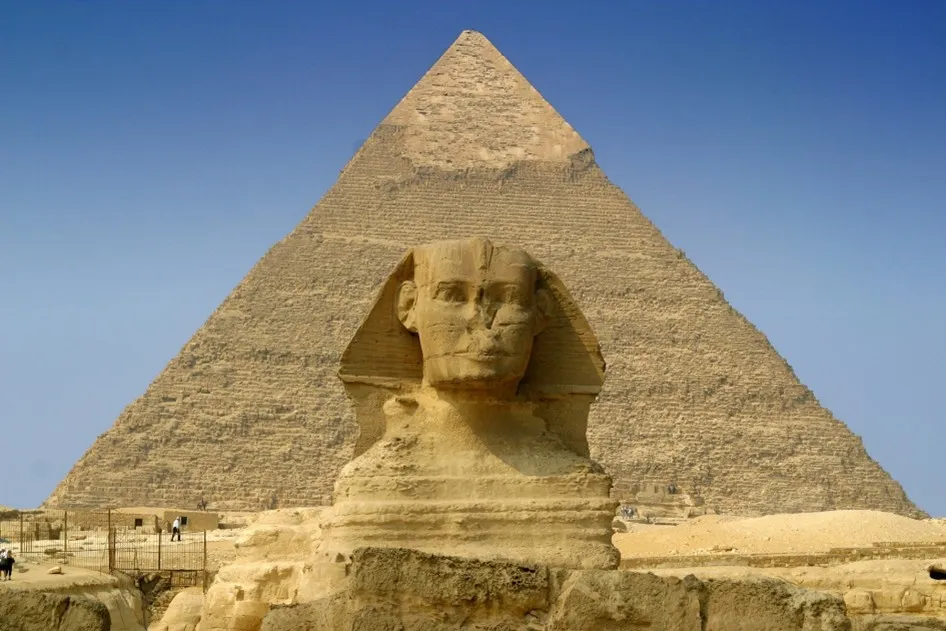
Fun Facts:
1. Pioneers of Writing: The Egyptians are credited with creating one of the earliest writing systems-hieroglyphs. These intricate symbols were used for religious texts,...
Famous Explorers: Amelia Earhart
Earhart
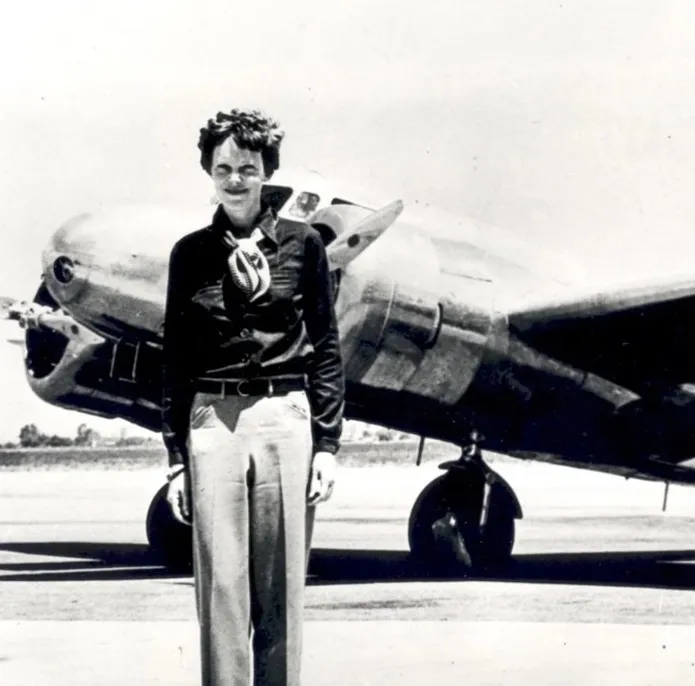
Biography: Amelia Earhart was an American aviation pioneer and the first woman to fly solo across the Atlantic Ocean. Born in Kansas, she developed an early interest in flying. Ear...
Famous Explorers: Marco Polo
Marco Polo
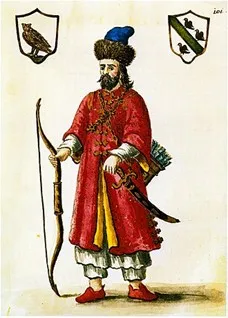
Biography: Marco Polo was a Venetian merchant, traveler, and pioneer who traveled extensively throughout Asia. Born in Venice, Italy, Marco Polo’s travels began when he was a you...
Famous Explorers: Christopher Columbus
Christopher
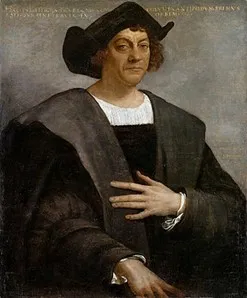
Biography: Christopher Columbus was an Italian navigator and explorer born in Genoa, Italy. He is famously known for his voyages across the Atlantic Ocean, which led to the Europea...