

Myths About Cultures
Myths
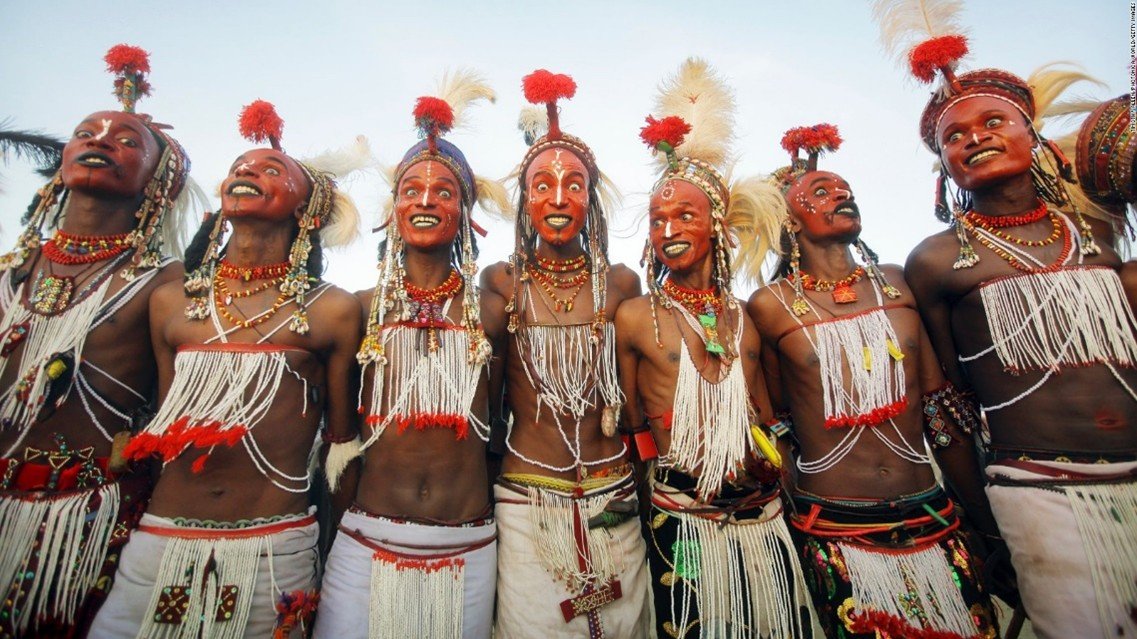
1. Myth: All Native American Cultures Are the Same
• The Myth: "Native Americans are all the same, with the same traditions, language, and lifestyle."
• The Reality: Native A...
"Twinkle, Twinkle, Little Star" – English-Speaking Countries
English-Speaking

1. "Twinkle, Twinkle, Little Star" – English-Speaking Countries
Origin: English-speaking countries (United Kingdom, United States, etc.)
Meaning/Context: One of the most famous...
Celebrating Diversity Through Art
Celebrating Diversity
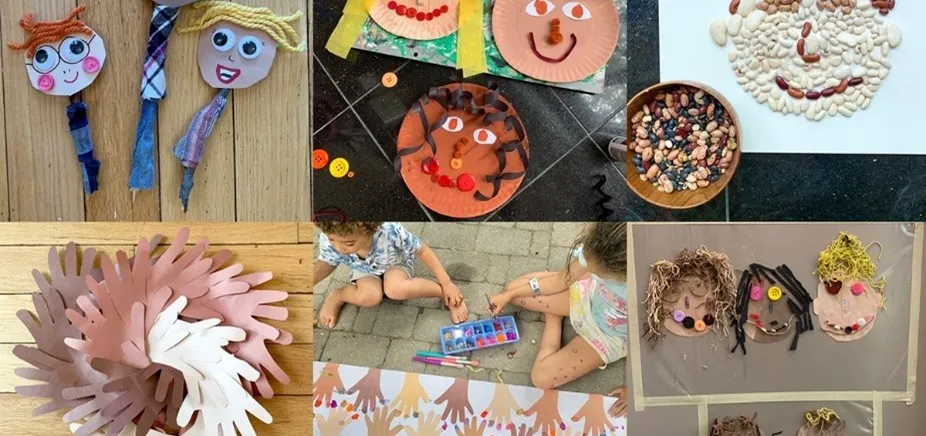
Encourage kids to create art that represents their own culture or a culture they admire, fostering creativity and understanding of cultural expressions.
In this activity, kids c...
Morning Rituals: Sweden- The Fika Break
Sweden
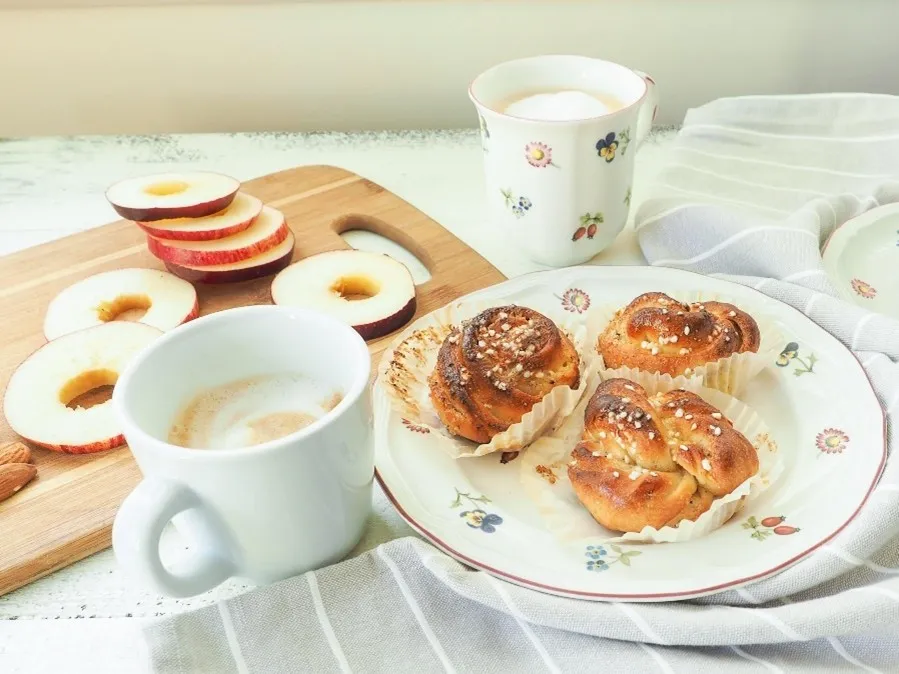
• In Sweden, the concept of fika (a coffee break) is integral to daily life, and while it’s not specifically a morning ritual, it is an important daily tradition. Fika often in...
Morning Rituals: Mexico- A Hearty Breakfast with Family
Mexico

• In Mexico, the morning might begin with a more substantial breakfast, such as tamales, chilaquiles, or pan dulce (sweet bread), often accompanied by coffee or atole (a warm cor...
Morning Rituals: France- A Relaxed Start with Coffee
France

• In France, many people begin their day with a simple yet satisfying breakfast, usually consisting of croissants, bread with butter and jam, or brioche, accompanied by coffee or...
Greeting Customs: France- The Double Kiss
France

• In France, it is customary to greet close friends or family with a kiss on each cheek—usually two, but in some regions, it may be three or four. The number of kisses varies d...
Greeting Customs: Japan- The Bow
Japan
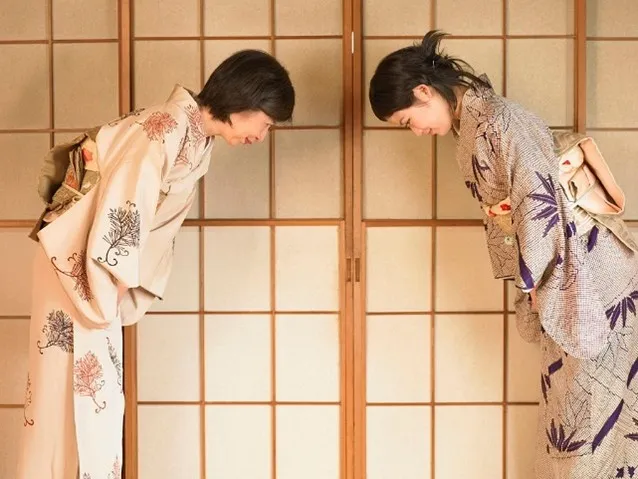
• In Japan, greetings are often accompanied by a bow, which can range from a slight nod of the head to a deep, respectful bow. The deeper the bow, the more formal or respectful t...
Greeting Customs: India- The Namaste
India
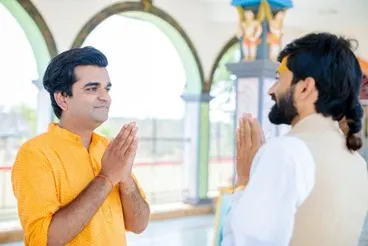
• In India, one of the most common greetings is "Namaste," where the palms are pressed together in a prayer-like position, and a slight bow is made. The word “Namaste” means ...
Greeting Customs: United States- The Firm Handshake
United States

• In the U.S., a handshake is the most common greeting between acquaintances or in professional settings. It's often accompanied by a smile and a friendly "Hello" or "How are you...
Family Meals: Italy- The Long, Social Feast
Italy
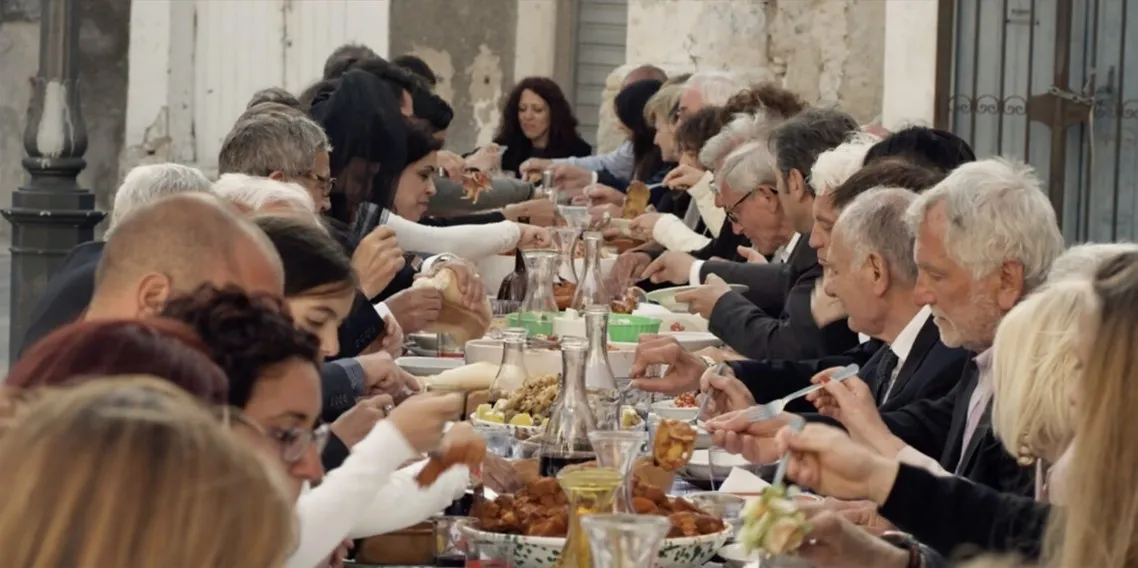
• In Italy, family meals are a significant event, often lasting for hours, especially on holidays or weekends. Meals typically include multiple courses—antipasto (appetizers), ...
Family Meals: Mexico- The Joy of Sharing
Mexico
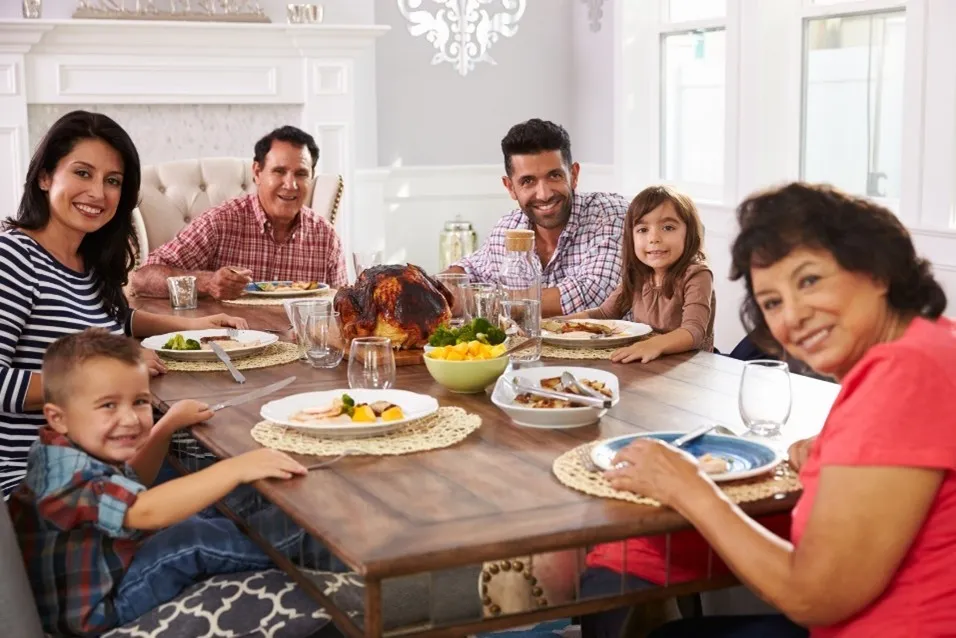
• In Mexico, meals are a lively and social affair. Family meals often include hearty dishes like tacos, tamales, and enchiladas, with plenty of side dishes such as rice, beans, a...
Family Meals: Japan- The Art of the Family Meal
Japan

• In Japan, family meals are often centered around a rice-based diet. A typical Japanese meal includes steamed rice, fish, pickled vegetables, miso soup, and sometimes a small sa...
Explore the World Within
Sumo Wrestling

Origin: Japan
• Cultural Significance: Sumo wrestling is Japan’s national sport, steeped in centuries of history and tradition. It is deeply linked to Shinto rituals and is se...
Cricket: The National Obsession of England (and beyond)
Cricket

Origin: England
Played By: Two teams of eleven players each
Cultural Significance: Cricket is one of the most widely followed sports in the world, particularly in countries like ...
Kabaddi: The Team Sport of India
Kabaddi

Origin: India
Played By: Two teams of seven players each
Cultural Significance: Kabaddi is a traditional contact sport that dates back thousands of years and is popular in South ...
Capoeira: Brazil's Dance of Resistance
Capoeira

Origin: Brazil
Played By: Groups of two or more participants
Cultural Significance: Capoeira is a Brazilian martial art that blends dance, acrobatic movements, music, and self-de...
Fun Activity: Exploring Landmarks Through Stories
Fun Activity
• After learning about these famous landmarks, you can create your own interactive project to bring their stories to life:
• Landmark Collage or Poster: Create a collage or po...
The Great Pyramids: Wonders of Ancient Egypt
Pyramids
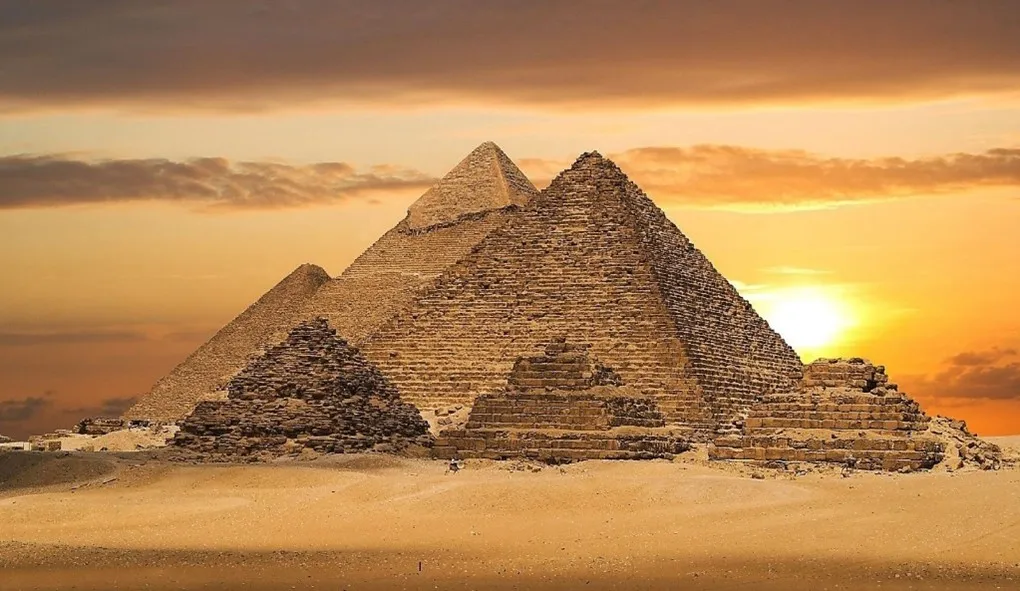
• Location: Giza, Egypt
• Completed: Around 2580–2560 BCE (for the Great Pyramid of Giza)
• Height: Originally 146.6 meters (481 feet); now 138.8 meters (455 feet)
• A...
The Taj Mahal: A Symbol of Love, India
Taj Mahal
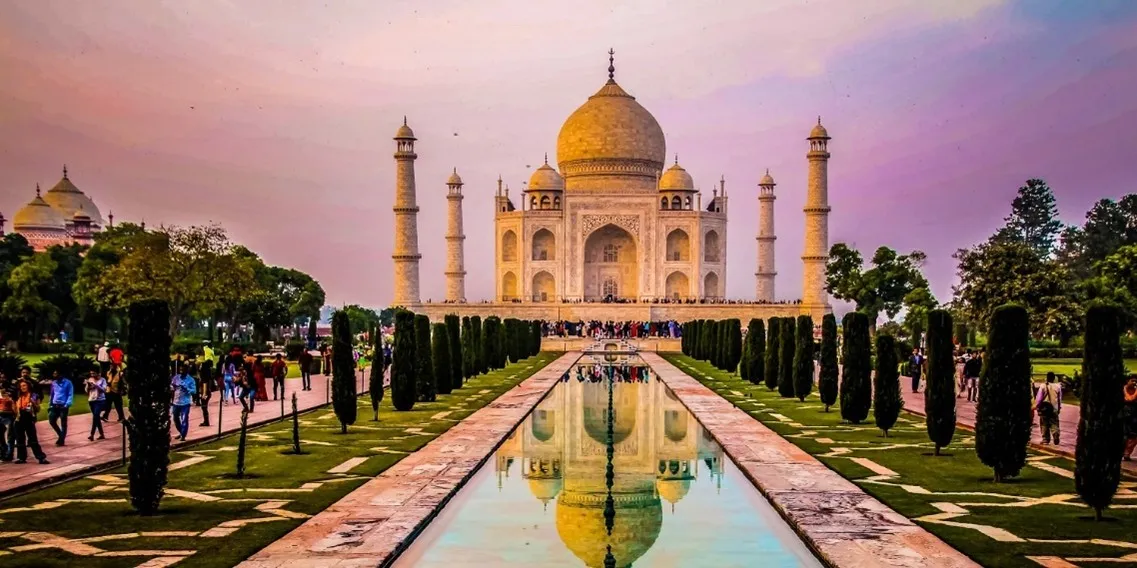
• Location: Agra, India
• Completed: 1653
• Height: 73 meters (240 feet)
• Architect: Ustad Ahmad Lahauri (chief architect)
Historical Significance:
• The Taj Mahal ...
The Eiffel Tower: The Iron Lady of Paris, France
Eiffel Tower

• Location: Paris, France
• Completed: 1889
• Height: 330 meters (1,083 feet)
• Architect: Gustave Eiffel
Historical Significance:
• The Eiffel Tower is one of the m...
Craft a Cultural Map
Craft
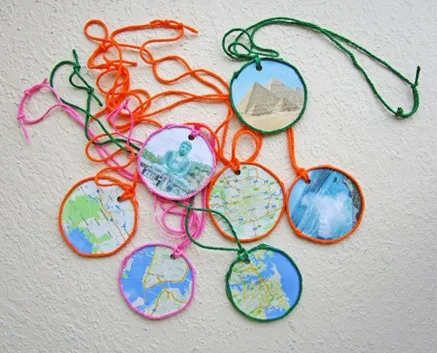
1. Introduction to Cultural Mapping
A Cultural Map is a way to visually represent a journey through the world, highlighting countries, cities, or regions you want to explore based...
Entertainment: Films, TV, and Cultural Influence
Entertainment

3. Entertainment: Films, TV, and Cultural Influence
Entertainment is one of the most powerful ways culture spreads globally, and today, many films, TV shows, and online content dr...
Japanese Streetwear and Global Influence
Japanese
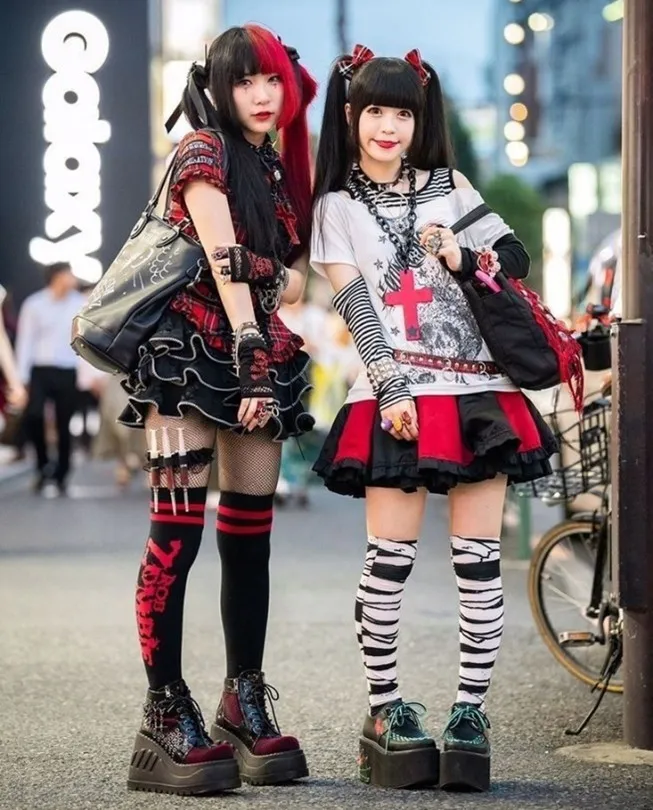
Japanese streetwear has had an enormous influence on fashion worldwide, especially in the urban and youth cultures of places like the United States, Europe, and Korea. Designers li...
Fashion: Global Style and Influence
Fashion

Fashion has long been a way for people to express their cultural identity, and today, global trends are influenced by a mix of traditional and contemporary styles from around the w...
Music: A Global Soundtrack
Music
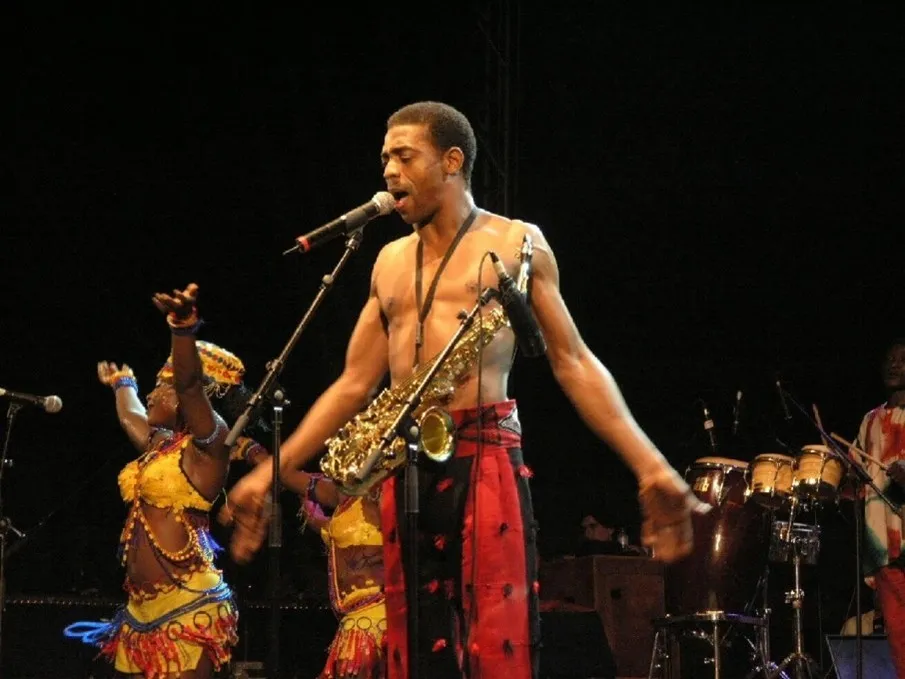
Music is one of the most prominent areas where cultural influences have left a lasting imprint. Today, popular music genres frequently blend traditional sounds with modern styles, ...
Music, Dance, and Art: Expressing Culture Through Creativity
Music
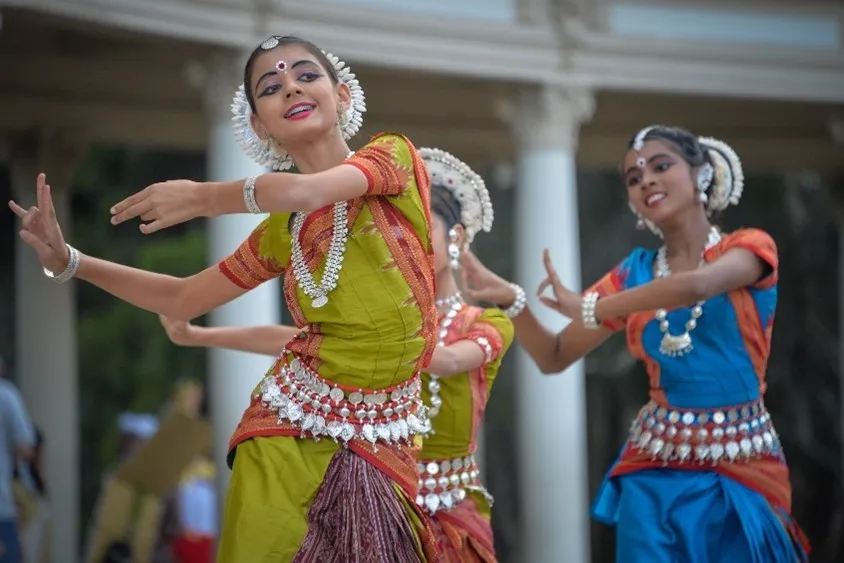
Music and dance are universal ways of expressing culture. Let’s explore how different cultures use these art forms to tell stories, celebrate, and communicate.
Music and Dance A...
Food and Eating Customs: The Role of Food in Culture
Food
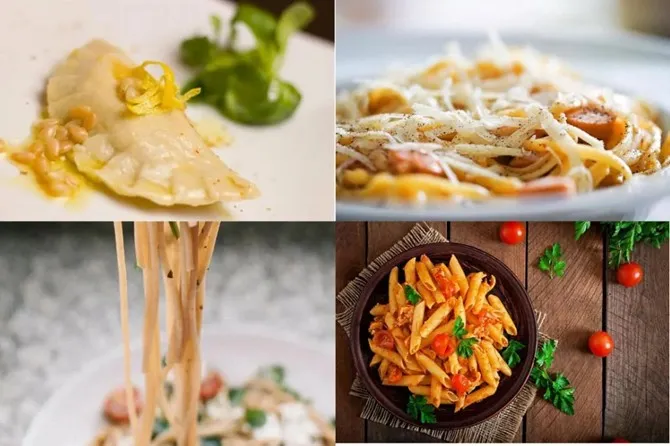
Food plays an important role in cultural identity. It can symbolize family, community, and even a connection to the land. Let’s explore some traditional dishes from around the wo...
Traditional Clothing: A Window into Culture and Identity
Traditional
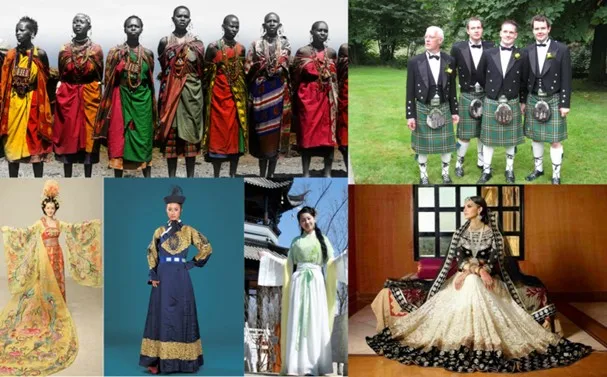
Clothing is an essential part of cultural identity and can tell us a lot about how different societies view history, climate, and personal expression. Let’s take a look at some t...
Coming-of-Age Ceremonies
Ceremonies

• Mexico: In Mexican culture, the quinceañera is a celebration when a girl turns 15, marking her transition from childhood to adulthood. It’s a big celebration with music, dan...
Weddings Around the World
Weddings
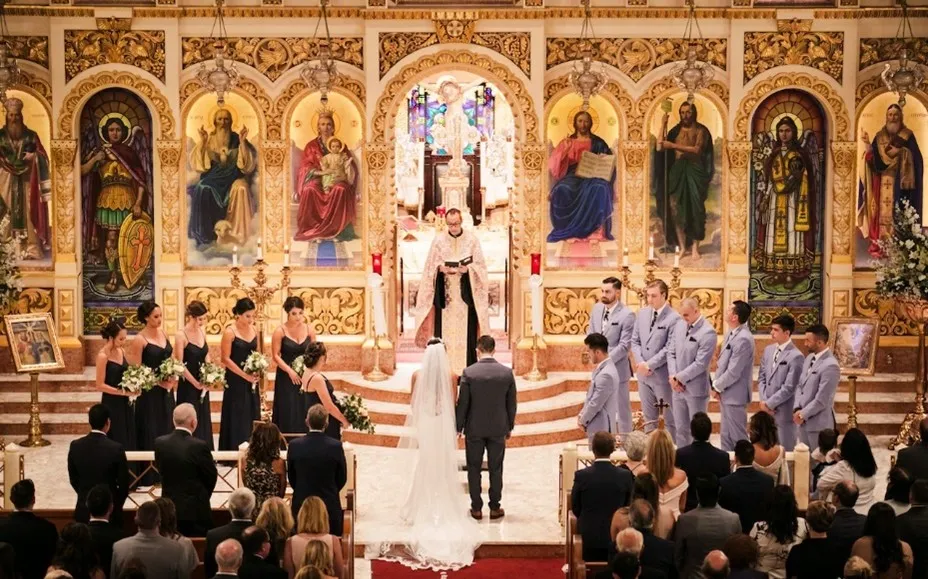
Weddings Around the World
• India: Traditional Indian weddings are elaborate and full of rituals. There is a mehndi ceremony where the bride gets intricate henna designs on her ...
Birthdays Around the World
Birthdays

• United States: In the U.S., kids often celebrate their birthdays with parties that include cake, presents, games, and singing "Happy Birthday."
• Mexico: In Mexico, birthday...
Machu Picchu: The Lost City of the Incas
Machu Picchu

Overview:
• Machu Picchu, the famous Incan city located high in the Peruvian Andes, is one of the most famous archaeological sites in the world. It was built in the 15th century...
The Pyramids of Egypt: Ancient Wonders of the World
Pyramids

Overview:
• The Pyramids of Giza, located just outside Cairo, are one of the Seven Wonders of the Ancient World and the only one that still stands today. These massive tombs wer...
The Great Wall of China: A Monument to History and Innovation
Great Wall

Overview:
• The Great Wall of China is one of the most impressive structures ever built by humankind. Stretching over 13,000 miles, it winds across northern China, snaking throu...
Sacred Forests and Conservation in India
Sacred

• Practice: Sacred groves, or sacred forests, are found across India and in other parts of South Asia. These are areas of forest that are preserved for religious or cultural reas...
Traditional Ecological Knowledge of the Inuit
Traditional

• Practice: The Inuit, who inhabit the Arctic regions of North America (including Greenland, Canada, and Alaska), have developed sustainable practices that are well-adapted to th...
The Maasai and Sustainable Livestock Grazing
Maasai
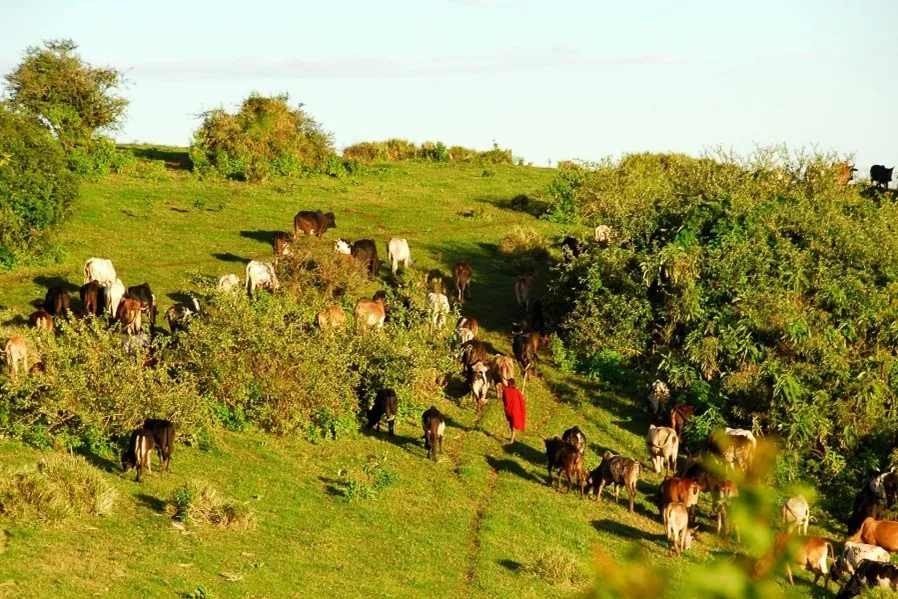
• Practice: The Maasai people of Kenya and Tanzania have a long history of semi-nomadic pastoralism, where they raise cattle, sheep, and goats. Their approach to grazing is based...
Traditional Agroforestry in Indigenous Communities
Agroforestry

• Practice: Many Indigenous groups in the Amazon, such as the Kayapo, Yanomami, and others, have practiced agroforestry for thousands of years. This involves cultivating crops in...
Fijian Tanoa (Engagement Ceremony)
Fijian Tanoa
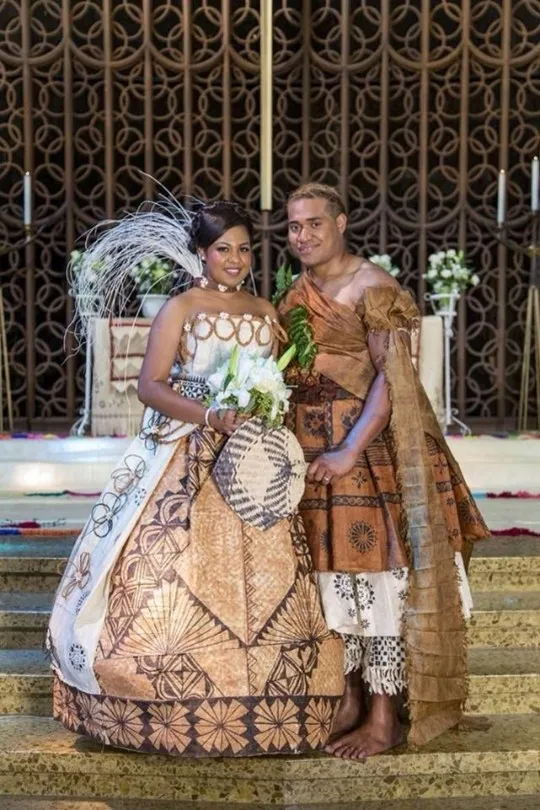
• When: During the engagement period, prior to marriage.
• Tradition: In Fiji, traditional engagement involves the formal exchange of gifts between the two families. A tanoa, ...
Explore the World Within
Baptism

• When: A rite of passage often performed shortly after birth, though it can occur later in life.
• Tradition: Baptism is a Christian sacrament of initiation, where a child (o...
Ghana - Graduation and Confirmation Ceremonies
Ghana

• When: At the completion of school or upon reaching key educational milestones.
• Tradition: In Ghana, graduating students often participate in a ceremony where they are form...
Japan - Shichi-Go-San
Japan
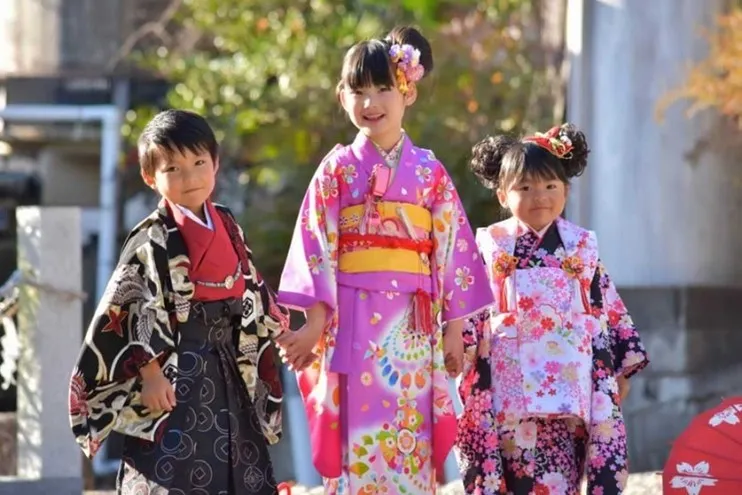
• When: Celebrated on November 15th, this is a traditional rite of passage for children, but it is often tied to school milestones.
• Tradition: Although Shichi-Go-San primari...
United States - Graduation Ceremony
United States

• When: Typically, in the spring, after completing the academic year.
• Tradition: Graduates wear caps and gowns and receive their diplomas in a formal ceremony. The ceremony ...
Sweden - Midsummer Wedding Celebrations
Sweden
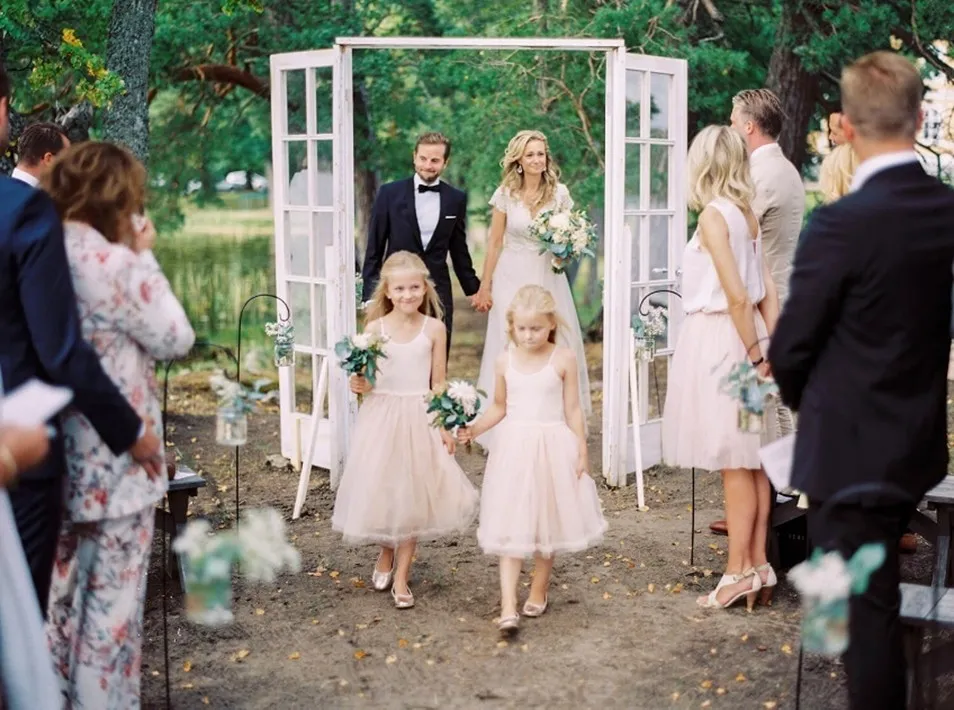
• When: Midsummer, typically in June.
• Tradition: In Sweden, weddings are often held during Midsummer, a time of celebrating the summer solstice. The couple may participate i...
Jewish - The Wedding Ceremony
Jewish

• When: The wedding takes place after a period of engagement and often includes several days of pre-celebration.
• Tradition: The wedding takes place under a chuppah, a canopy...
India - Traditional Hindu Wedding
India
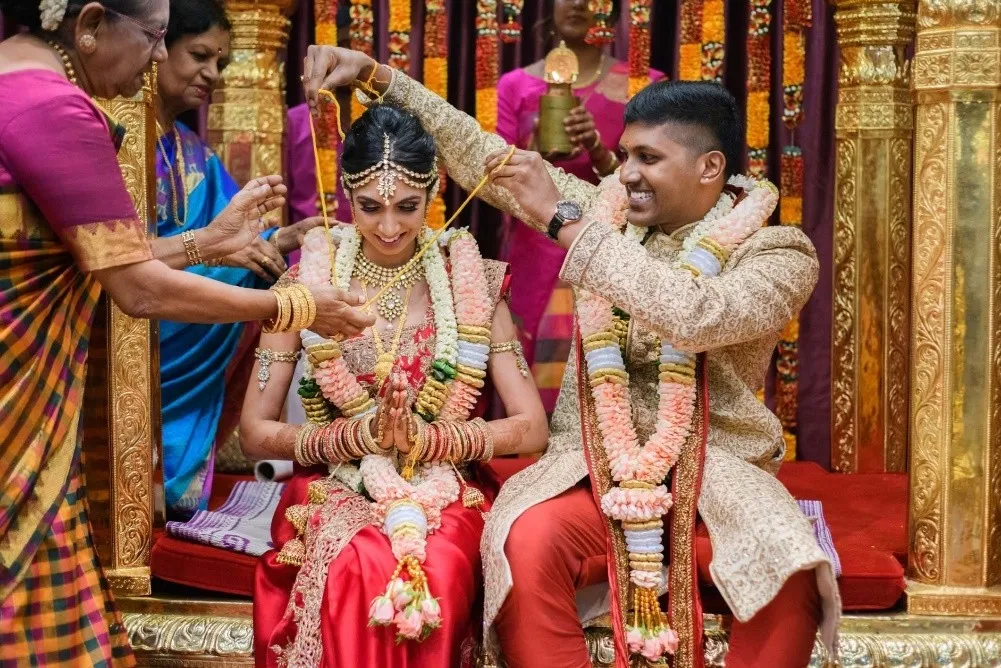
• When: The wedding date is chosen according to an auspicious time, known as muhurat, which is determined by astrology.
• Tradition: Hindu weddings are multi-day affairs, ofte...
Mexico - La Fiesta de Quinceañera
Mexico
• When: On a girl's 15th birthday.
• Tradition: The Quinceañera is a traditional Mexican celebration marking a girl's transition from childhood to womanhood. The event includ...
Japan - Okuizome
Japan
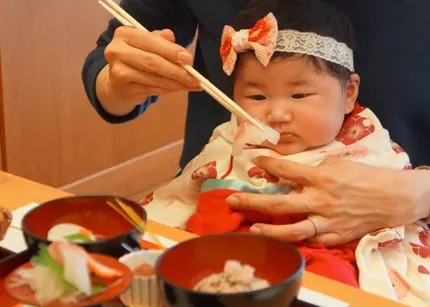
• When: Typically, on the 100th day after birth.
• Tradition: In Japan, Okuizome is a celebratory meal held to mark the baby’s first solid food. The baby is given symbolic f...
India - Namkaran Ceremony
India
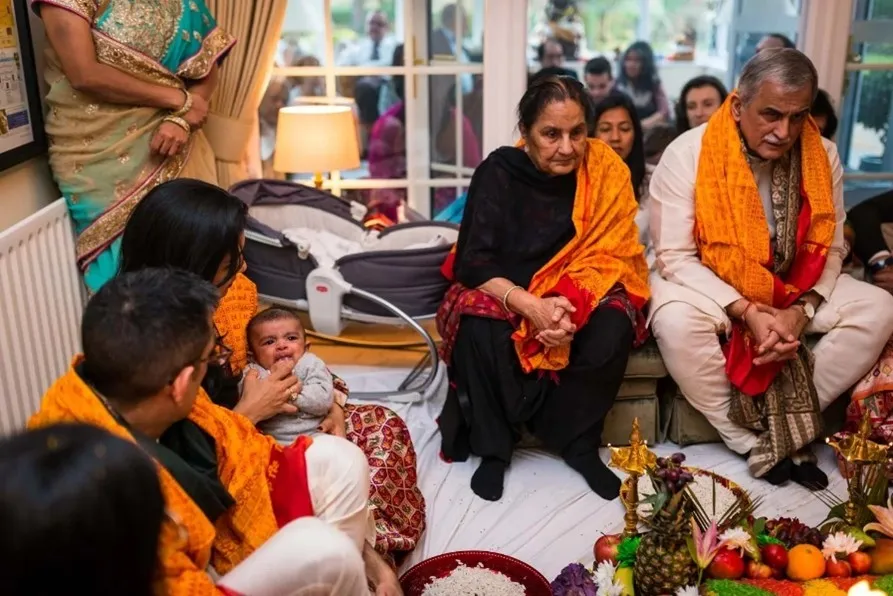
When: On the 11th day (or after a set period of time) following the birth of a child.
• Tradition: In many Indian families, the Namkaran is a significant ritual in the life of a...
Explore the World Within
Guli Danda

• How to Play: Guli Danda is an ancient game played in many parts of India and other South Asian countries. It involves two wooden sticks: a long stick (danda) and a smaller stic...
Explore the World Within
Lotería
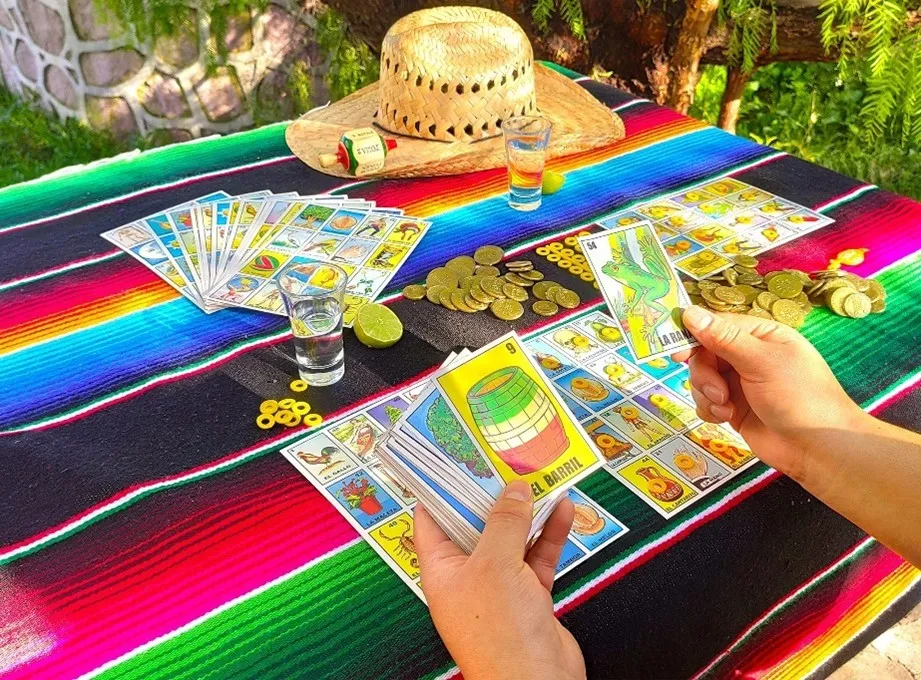
• How to Play: Lotería is a traditional Mexican game similar to bingo, but instead of numbers, it uses cards with colorful pictures and symbols. Players have a board with a grid...
Explore the World Within
Football

• How to Play: Soccer, known as futebol in Brazil, is one of the most popular and widely played sports in the world. In its simplest form, the game involves two teams of 11 playe...
Explore the World Within
Kabaddi

• How to Play: Kabaddi is a team sport played by two teams, usually of seven players each. One player from the attacking team (the "raider") runs into the opposing team's side, t...
Explore the World Within
Kivas

• Where: The American Southwest, particularly among Pueblo peoples such as the Hopi, Zuni, and Anasazi (Ancestral Puebloans). Materials: Stone, adobe, wood. Significance: Kivas a...
Explore the World Within
Pagodas
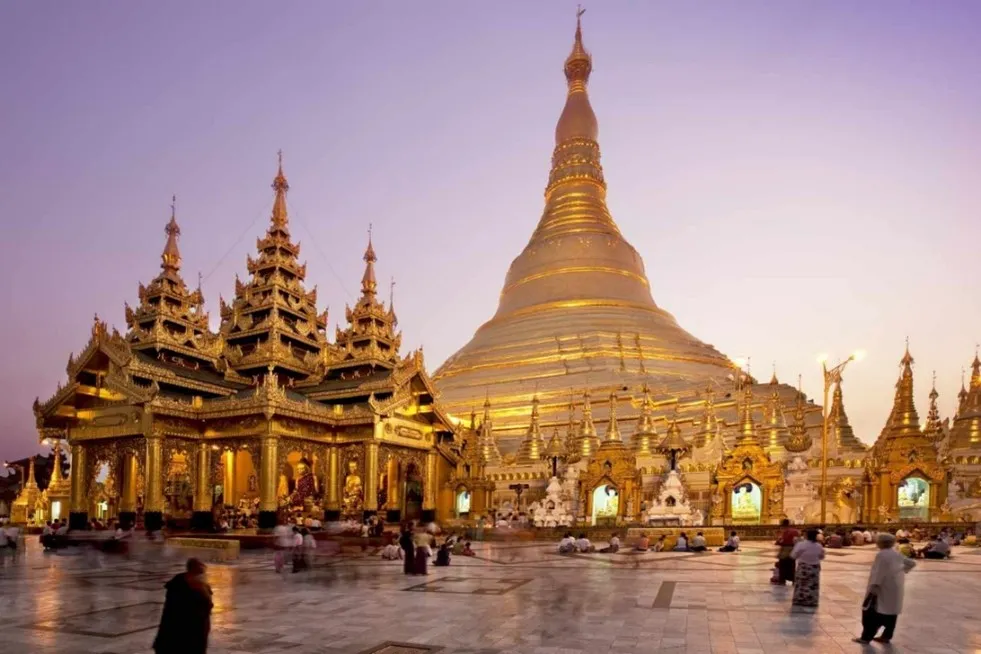
• Where: East Asia, particularly in China, Japan, Korea, and Vietnam. Materials: Wood, brick, stone, and later concrete. Significance: Pagodas are tiered towers that originated i...
Explore the World Within
Castles

• Where: Predominantly in Europe, particularly in medieval regions such as France, England, Germany, and Spain. Materials: Stone, wood, and later brick. Significance: Castles are...
Explore the World Within
Igloos

• Where: The Arctic, particularly among the Inuit and other Indigenous peoples of the Arctic regions of Canada, Greenland, and Alaska. Materials: Ice and snow blocks, sometimes s...
Resilience and Survival
Resilience
Despite centuries of colonization, displacement, and cultural suppression, indigenous communities have shown remarkable resilience in preserving their languages, traditions, and wa...
Environmental Stewardship and Sustainability
Environmental
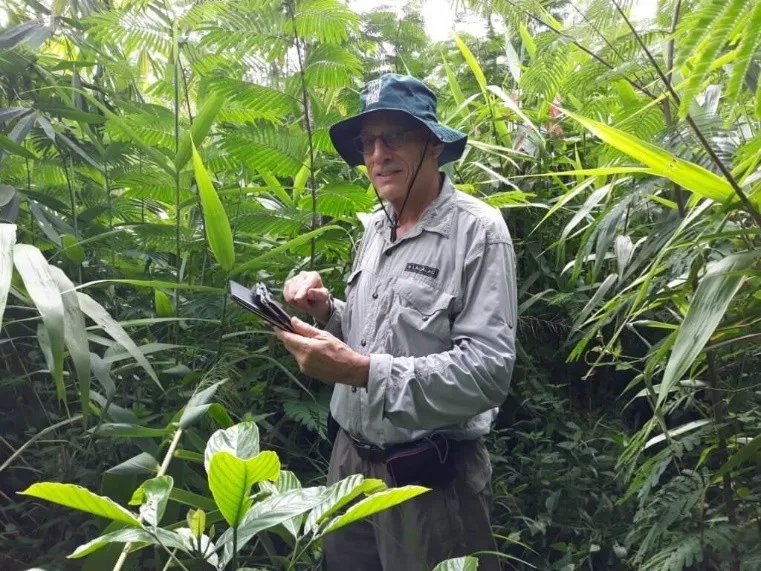
Indigenous cultures have long been recognized as stewards of biodiversity and custodians of ecosystems. Their traditional ecological knowledge (TEK) offers sustainable practices th...
Social and Political Systems
Social
Many indigenous societies have developed complex systems of governance that emphasize collective decision-making, community welfare, and consensus-building. These systems offer alt...
Art and Cultural Expression
Art

Indigenous art, including visual arts, performance, and craftsmanship, is deeply intertwined with cultural identity and spirituality. Art often expresses the values, histories, and...
Agricultural Knowledge and Practices
Agricultural
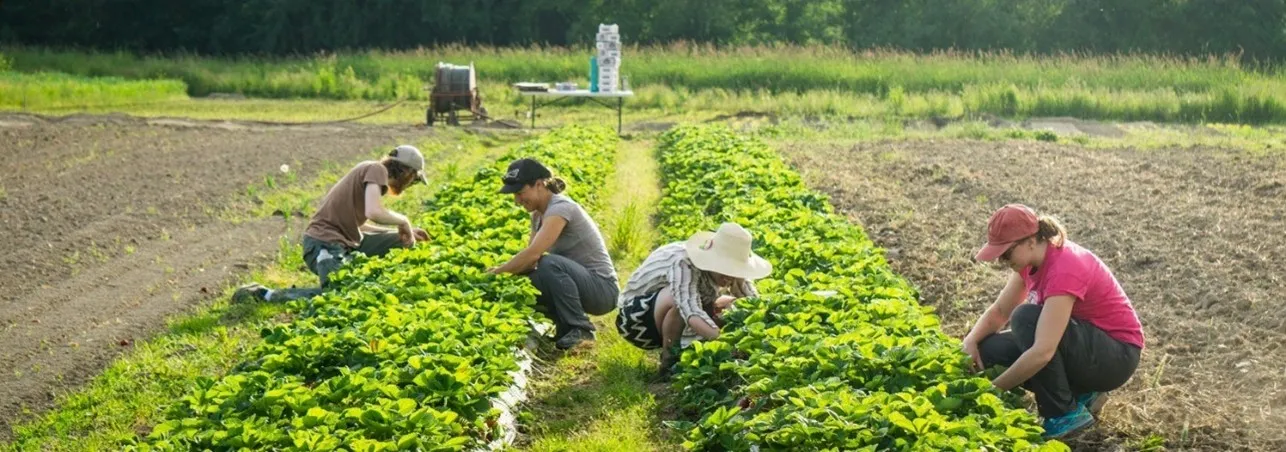
Indigenous peoples have developed and perfected numerous agricultural techniques that have shaped global food systems. Their deep understanding of local ecosystems has allowed them...
Language and Oral Traditions
Language
Language is a crucial element of indigenous identity, encapsulating worldviews, histories, and knowledge systems. Oral traditions, including storytelling, song, and ritual, serve a...
Spirituality and Connection to Nature
Spirituality

Indigenous peoples often view the natural world as sacred and interconnected. Spiritual beliefs and practices are closely tied to land, animals, and the environment. Many indigenou...
Explore the World Within
Russia
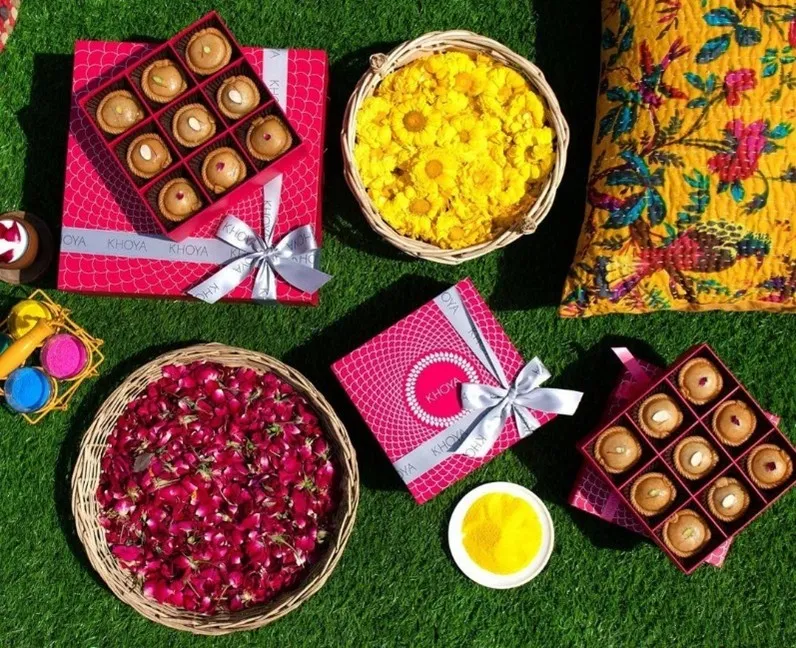
Etiquette: In Russia, it’s polite to bring a small gift when visiting someone's home. Flowers are often given as a gift, but always make sure they come in odd numbers (except for...
Explore the World Within
Japan
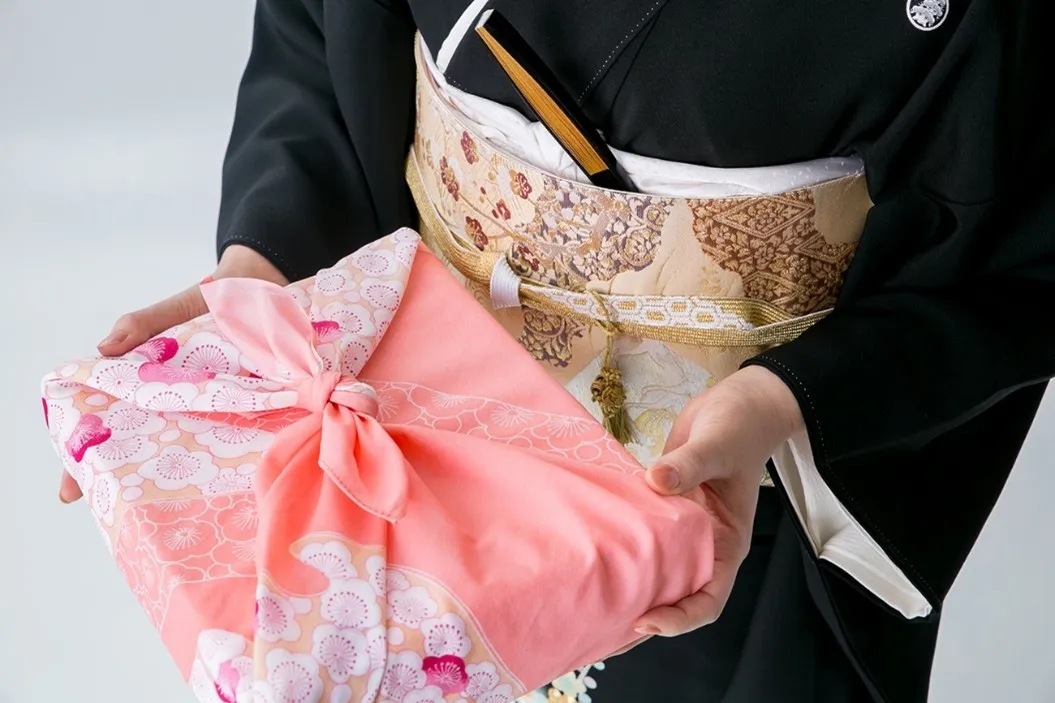
• Etiquette: In Japan, gift-giving is highly ceremonial. When you offer a gift, it’s important to give it with both hands and bow slightly as you present it. The wrapping is ju...
Explore the World Within
Middle East
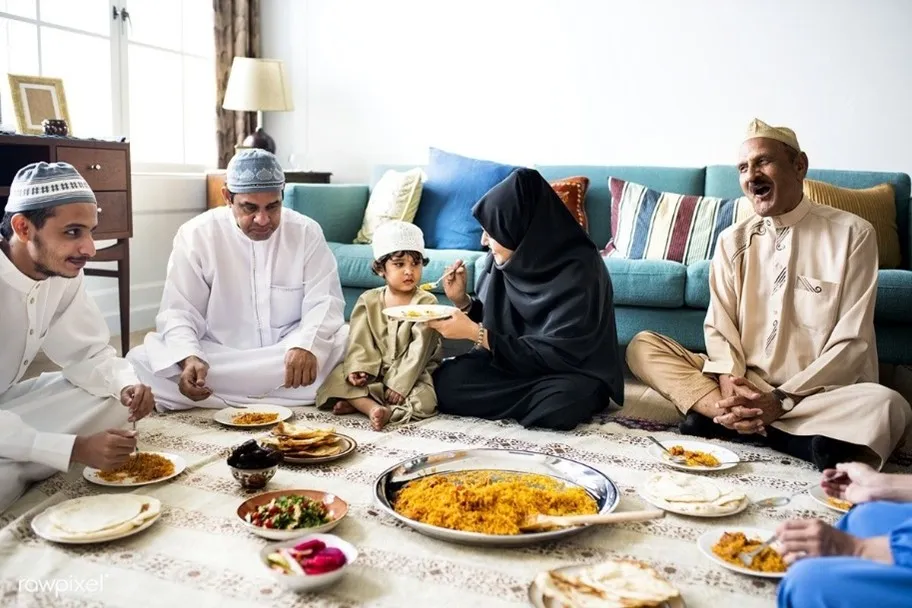
• Etiquette: In many Middle Eastern cultures, food is often shared from a communal dish. It's polite to eat with your right hand only, as the left hand is considered impolite for...
Explore the World Within
Mexico
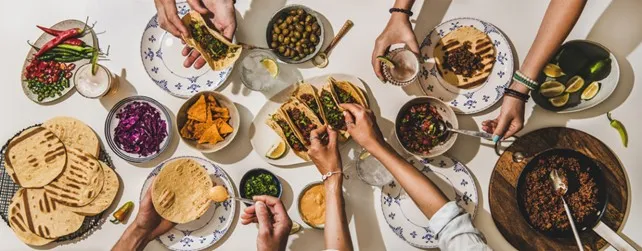
• Etiquette: In Mexico, it’s customary to share food with others, especially during family meals or parties. When eating, it’s polite to take your time and enjoy the company ...
Explore the World Within
France
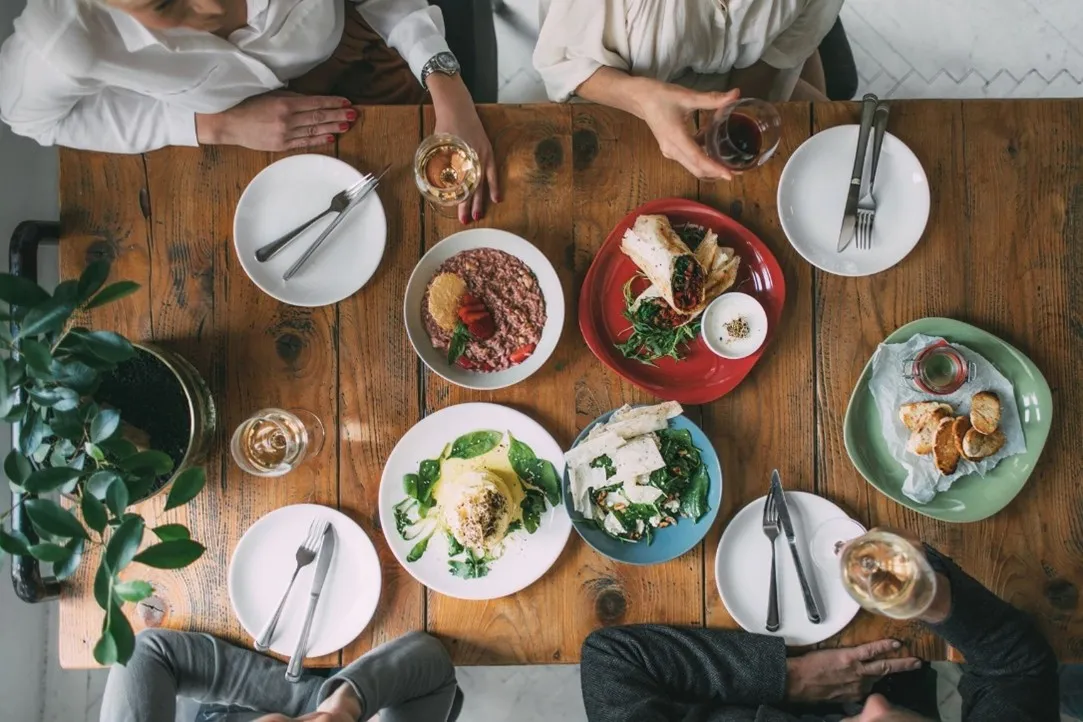
• Etiquette: In France, meals are an important part of daily life. When eating, keep your hands visible on the table (but not your elbows), and make sure to say "Bon Appétit!" b...
Explore the World Within
China

• Etiquette: When dining in China, it’s polite to wait for the host to start the meal. At the table, it's considered respectful to serve food to others before serving yourself....
Explore the World Within
Brazil

• Etiquette: In Brazil, greetings are warm and friendly. A hug or a kiss on the cheek is common among friends and family.
• Tip for Kids: In Brazil, it's polite to greet peopl...
Explore the World Within
France

• Etiquette: In France, a common greeting is a kiss on each cheek, known as "la bise." However, this practice can vary by region. In more formal settings, a handshake is common.
...
Explore the World Within
India
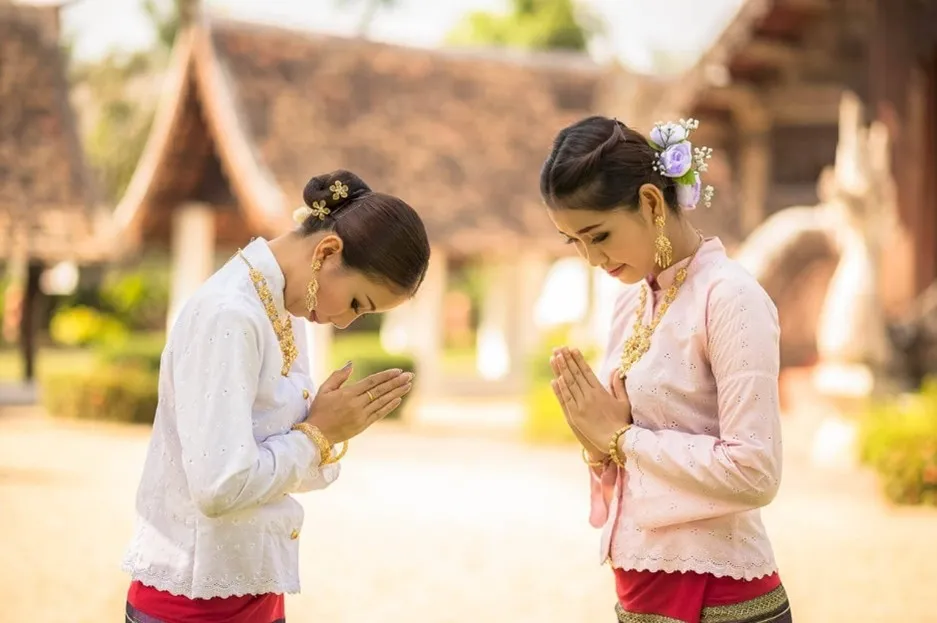
• Etiquette: In India, people often greet each other with "Namaste" (pronounced nah-MAH-stay), placing their hands together in a prayer position and bowing slightly. It’s a ges...
Explore the World Within
Japan

Different cultures have unique ways of saying "hello" or greeting each other, often reflecting values such as respect, warmth, or formality.
Japan:
• Etiquette: In Japan, bowin...
Native American Beadwork
Native
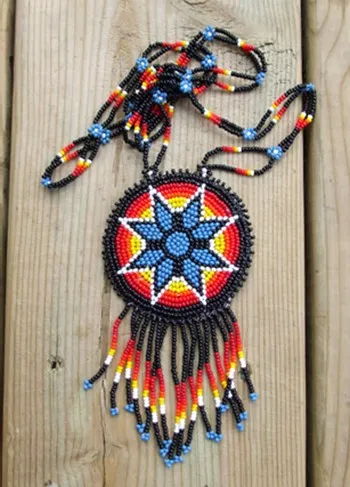
History: Native American beadwork is a traditional craft that has been practiced for centuries by various Indigenous groups across North America. Beads were originally made from na...
Japanese Origami
Japanese
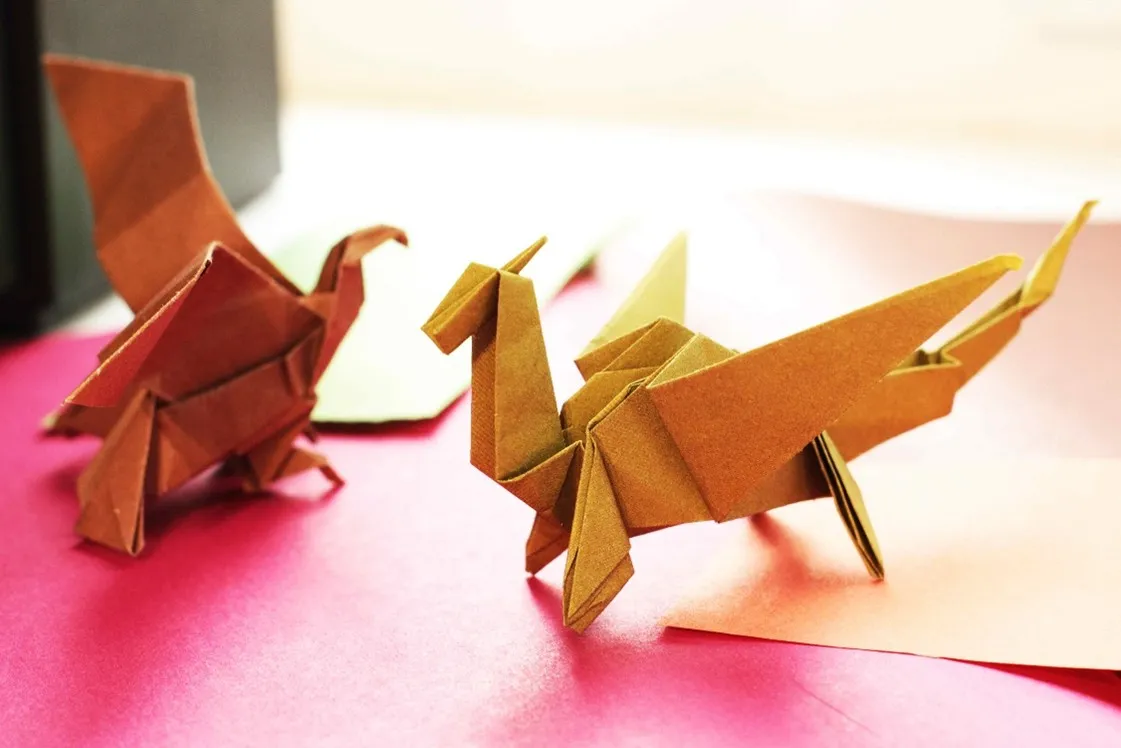
History: Origami, the traditional Japanese art of paper folding, dates back to the 17th century. While its origins are uncertain, it is believed to have evolved from simple folding...
Aboriginal Dot Painting
Aboriginal

History: Aboriginal dot painting is a distinctive art style that originated from the Indigenous people of Australia, particularly in the Desert Art tradition. This style of paintin...
Explore the World Within
Bhangra

Music:
Bhangra originated from the Punjab region of India and Pakistan, and it was originally a harvest dance performed to celebrate the end of the winter season. The music is fas...
Explore the World Within
Hula
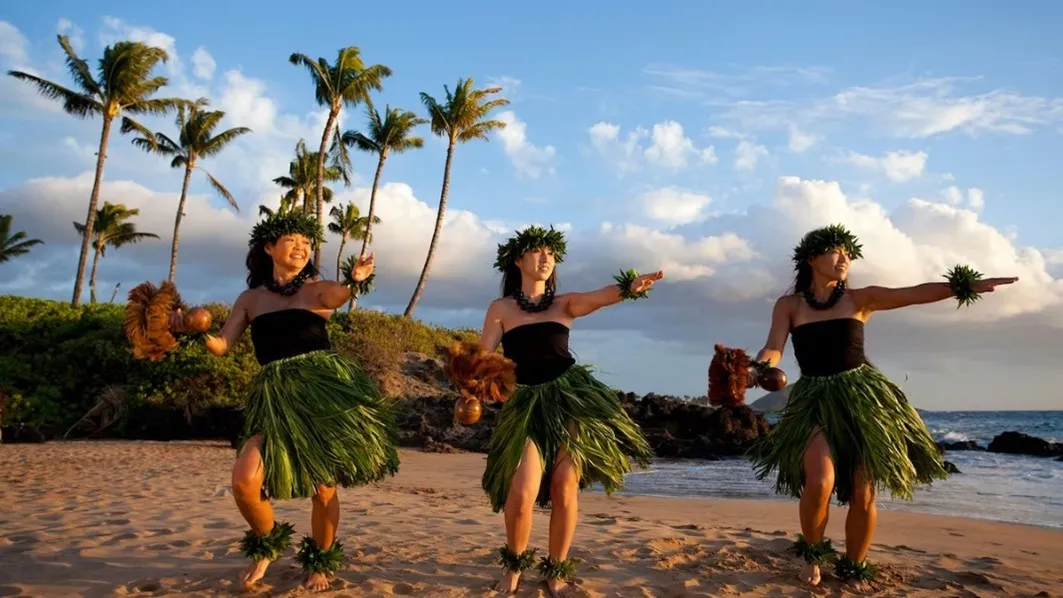
Music:
Hula is a traditional dance from Hawaii that is often accompanied by music, using instruments like the ukulele, guitar, and the slack-key guitar (a unique guitar-playing st...
Explore the World Within
Flamenco
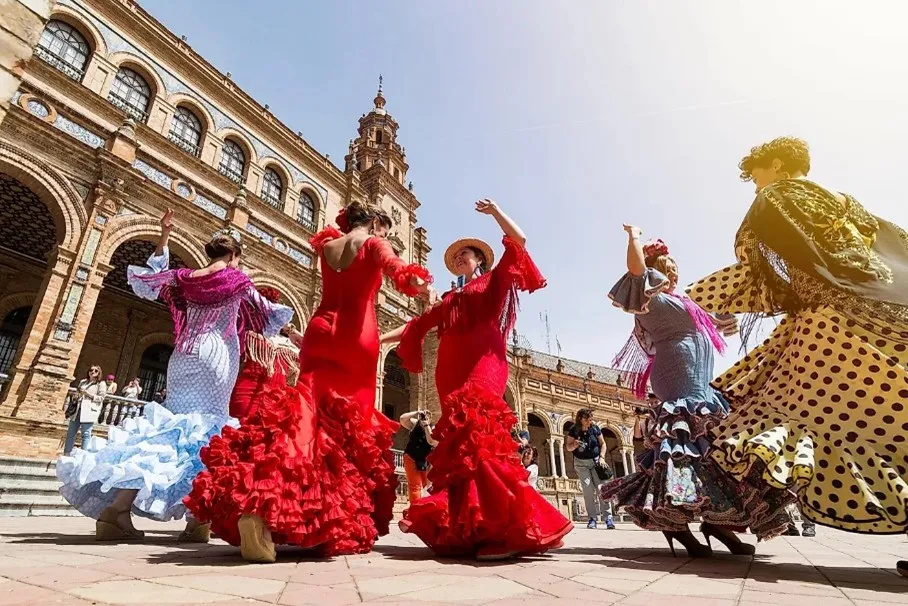
Music:
Flamenco is a passionate and expressive music and dance tradition that comes from the Andalusian region in southern Spain. It blends influences from the Gypsies, Moors, Jew...
Explore the World Within
Russian
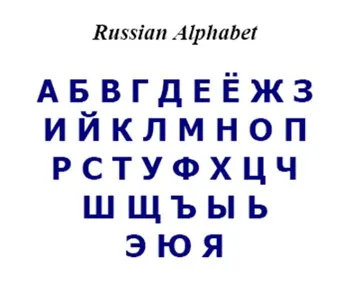
Basic Phrases:
• "Привет" (Privet) – Hello.
• "Как дела?" (Kak dela?) – How are you?
• "Спасибо" (Spasibo) – Thank you.
• "До свидани...
Explore the World Within
Japanese
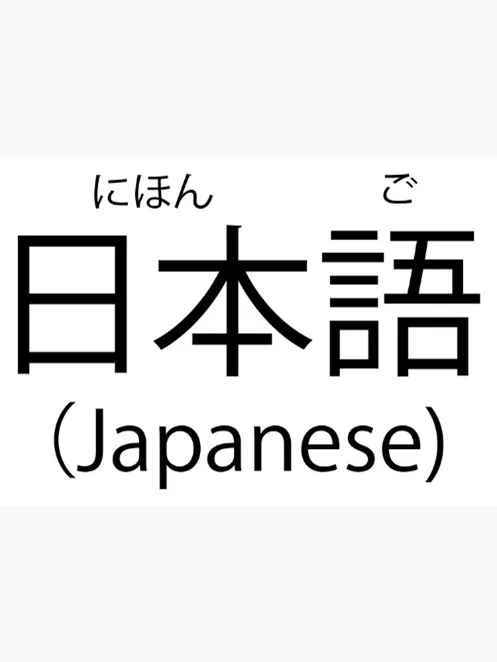
Basic Phrases:
• "こんにちは" (Konnichiwa) – Hello.
• "お元気ですか?" (Ogenki desu ka?) – How are you?
• "ありがとう" (Arigatou) – Thank you.
• "�...
Explore the World Within
Mandarin Chinese
Basic Phrases:
• "你好" (Nǐ hǎo) – Hello.
• "你好吗?" (Nǐ hǎo ma?) – How are you?
• "谢谢" (Xièxiè) – Thank you.
• "再见" (Zàijiàn) – Goodbye.
...
Explore the World Within
French

Basic Phrases:
• "Bonjour" (bohn-ZHOOR) – Good morning / Hello.
• "Comment ça va?" (koh-MAHN sah vah) – How are you?
• "Merci" (mehr-SEE) – Thank you.
• "Au revo...
Explore the World Within
Arabic
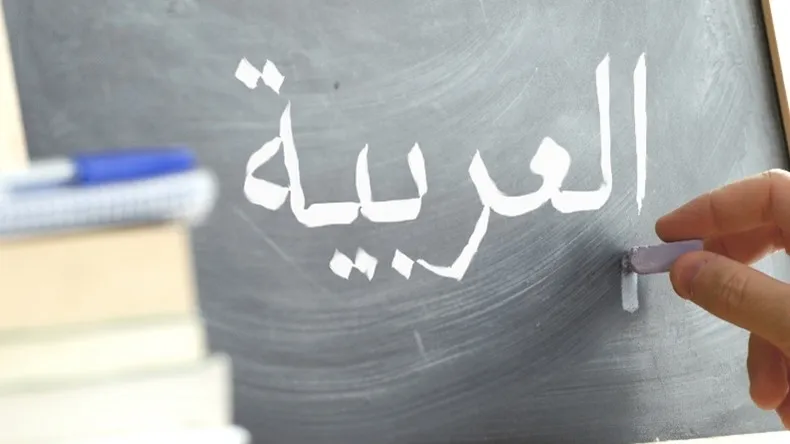
Basic Phrases:
• "مرحباً" (Marhaban) – Hello.
• "كيف حالك?" (Kayfa ḥāluka?) – How are you?
• "شكراً" (Shukran) – Thank you.
• "وداعاً" ...
Explore the World Within
Swahili

Basic Phrases:
• "Habari" (hah-BAH-ree) – Hello / How are you?
• "Asante" (ah-SAHN-teh) – Thank you.
• "Kwaheri" (kwah-HEH-ree) – Goodbye.
Fun Fact:
• Swahili is...
Explore the World Within
Hindi
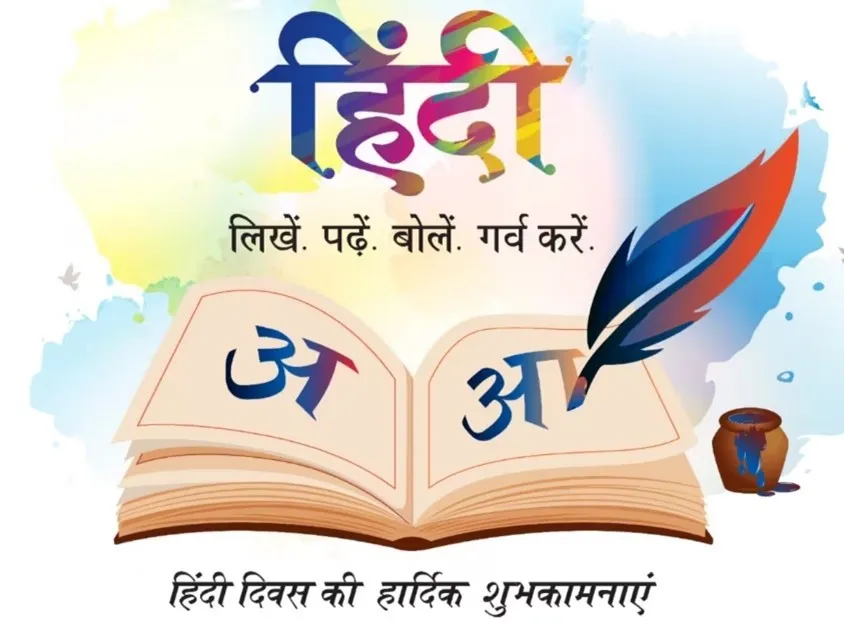
Basic Phrases:
• "नमस्ते" (Namaste) – Hello.
• "कैसे हो?" (Kaise ho?) – How are you?
• "धन्यवाद" (Dhanyavaad) – Thank you.
•...
Explore the World Within
Spanish

Basic Phrases:
• "Hola" (OH-lah) – Hello.
• "¿Cómo estás?" (KOH-moh ehs-TAHS) – How are you?
• "Gracias" (GRAH-see-ahs) – Thank you.
• "Adiós" (AH-dee-ohs) �...
Explore the World Within
English

Basic Phrases:
• "Hello" – A friendly greeting.
• "How are you?" – Asking how someone is.
• "Please" and "Thank you" – Showing politeness.
• "Goodbye" – Saying ...
Lotus Flower - Hinduism and Buddhism
Lotus Flower

The lotus flower is a highly significant symbol in both Hinduism and Buddhism, although its interpretation can vary slightly between the two traditions.
• Meaning: The lotus flo...
Totems - Indigenous Cultures, Particularly Native American
Totems
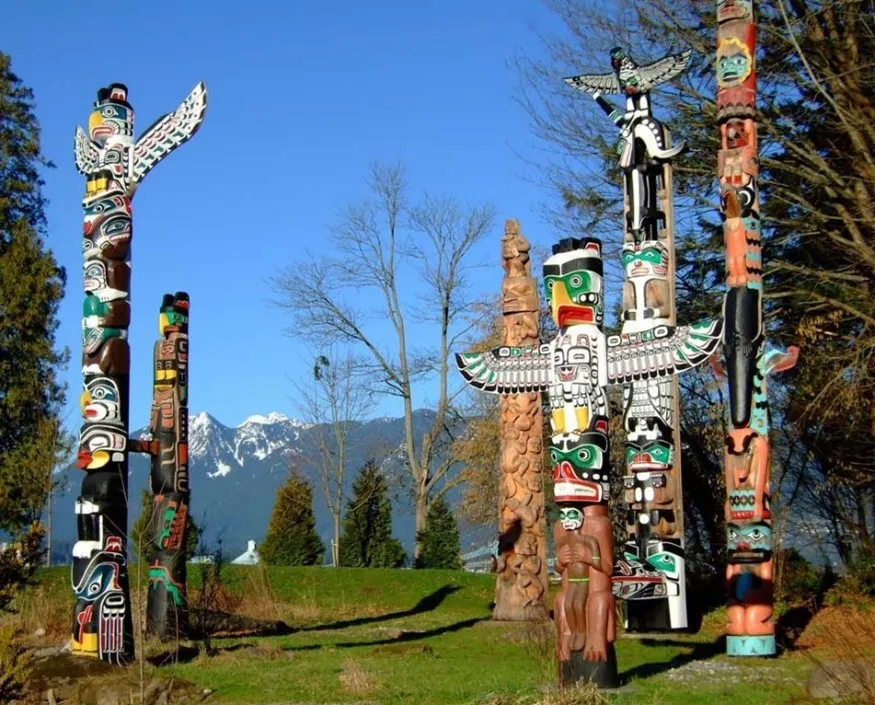
In many Indigenous cultures, particularly Native American, totems are deeply symbolic figures or objects, often animals or natural elements, that represent a group's ancestry, clan...
Yin-Yang - Chinese Philosophy
Yin-Yang

The yin-yang symbol is one of the most recognized and important symbols in Chinese culture, particularly in Taoism, and it also influences Chinese medicine, martial arts, and feng ...
The Boy Who Cried Wolf
The Boy
.jpg "The Boy")
• Story Overview: In this story, a young shepherd boy repeatedly tricks the villagers into thinking a wolf is attacking his sheep. When a real wolf finally comes, no one believes...
The Tortoise and the Hare
Tortoise

• Story Overview: In this famous tale, the fast and confident hare boasts about his speed and challenges the slow, steady tortoise to a race. The hare, certain he will win, falls...
Anansi the Spider
Anansi
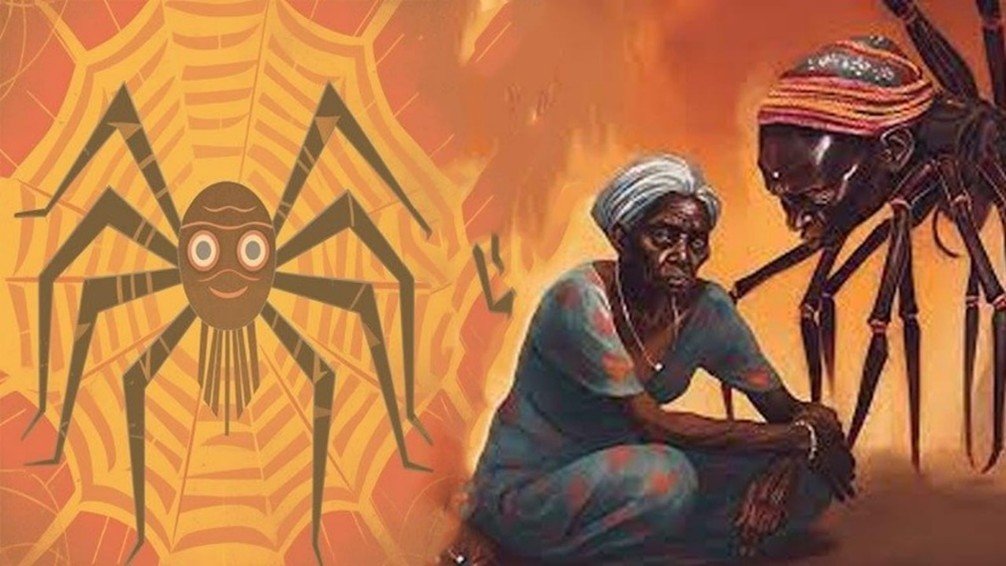
• Story Overview: Anansi is one of the most famous characters in West African folklore, often depicted as a clever spider. In many stories, Anansi outwits other animals to get wh...
Middle Eastern Cuisine - Falafel
Middle Eastern

Crispy, deep-fried balls made from chickpeas, herbs, and spices, often served in pita bread with salad and tahini sauce....
Greek Cuisine - Souvlaki
Greek Cuisine
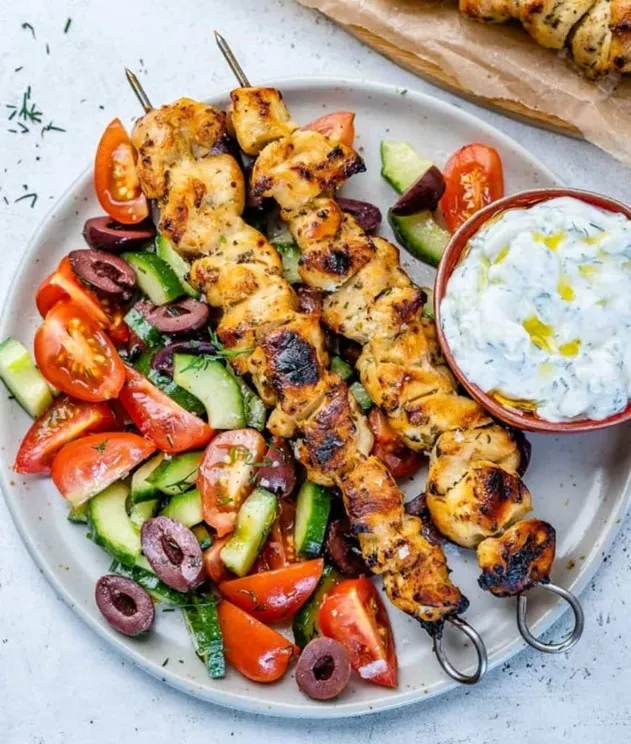
Grilled meat (usually chicken or pork) served on a skewer or inside pita bread with veggies and tzatziki (yogurt and cucumber sauce)....
French Cuisine - Crepes
French Cuisine

A thin, soft pancake that can be filled with sweet fillings like Nutella, strawberries, or whipped cream. Crepes are fun because kids can add their own favorite toppings!...
Indian Cuisine: Curry and Naan!
Indian Cuisine
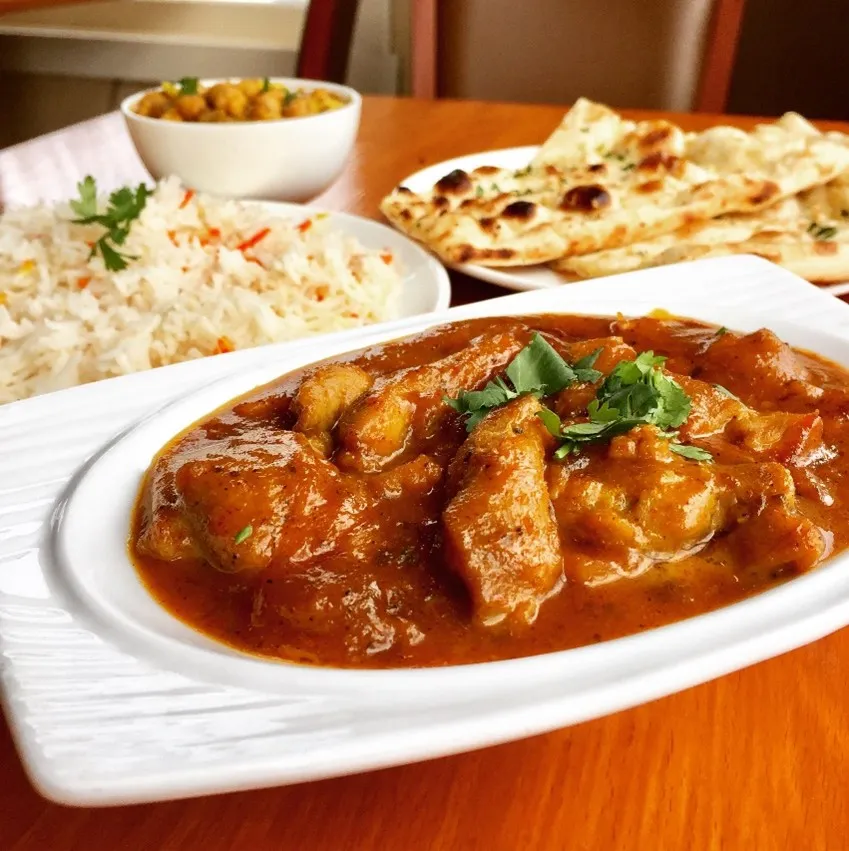
Famous Dishes:
• Curry: A flavorful, often spicy, dish made with meat, vegetables, or legumes, cooked in a sauce made with spices like turmeric, cumin, and coriander.
• Naan:...
Mexican Cuisine: Tacos and Guacamole!
Mexican Cuisine
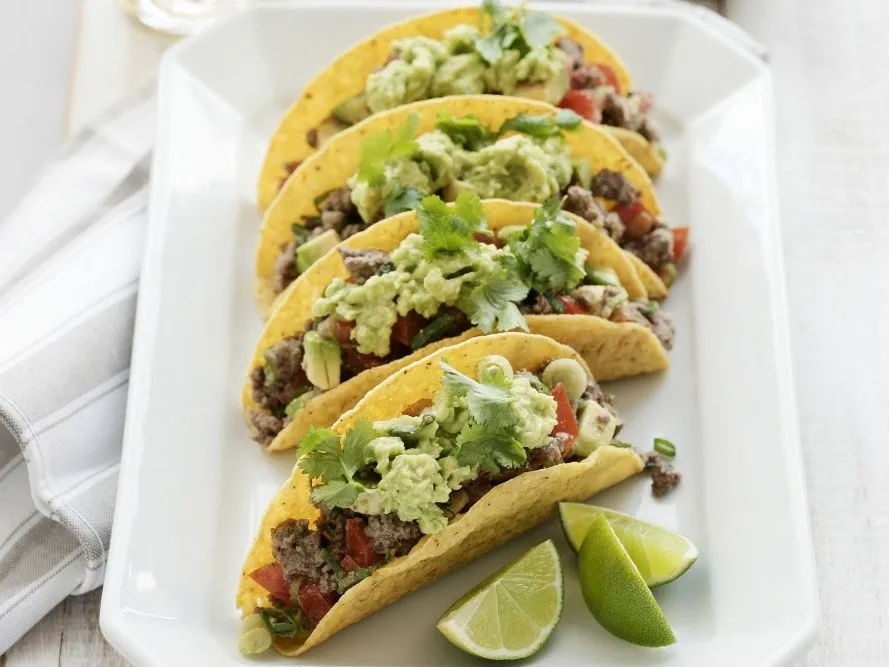
Famous Dishes:
• Tacos: Soft or hard corn tortillas filled with all sorts of yummy ingredients like seasoned beef, chicken, beans, cheese, lettuce, tomatoes, and salsa.
• Gua...
Japanese Cuisine: Sushi and Ramen!
Japanese Cuisine
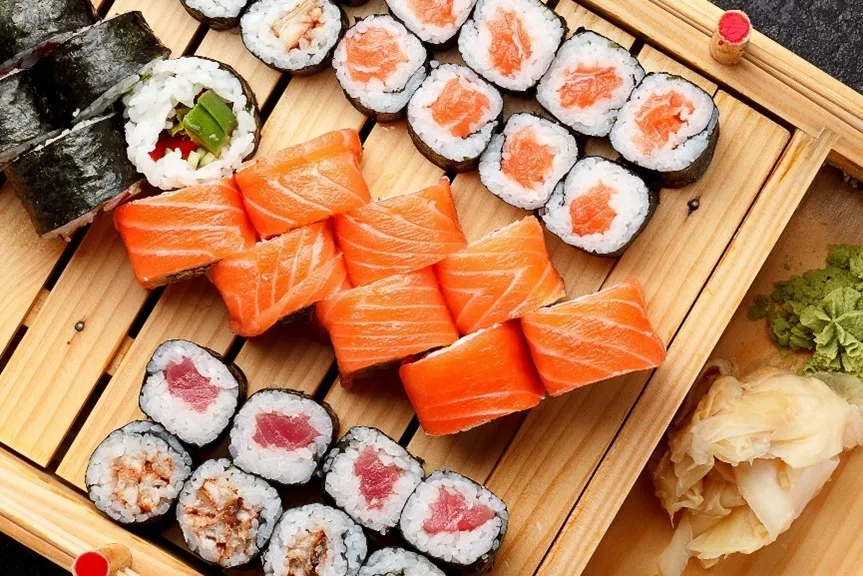
Famous Dishes:
• Sushi: Vinegared rice with fish, vegetables, or sometimes fruit, wrapped in seaweed or served as small rice rolls with toppings.
• Ramen: A noodle soup serve...
Italian Cuisine: Pasta and Pizza!
Italian Cuisine
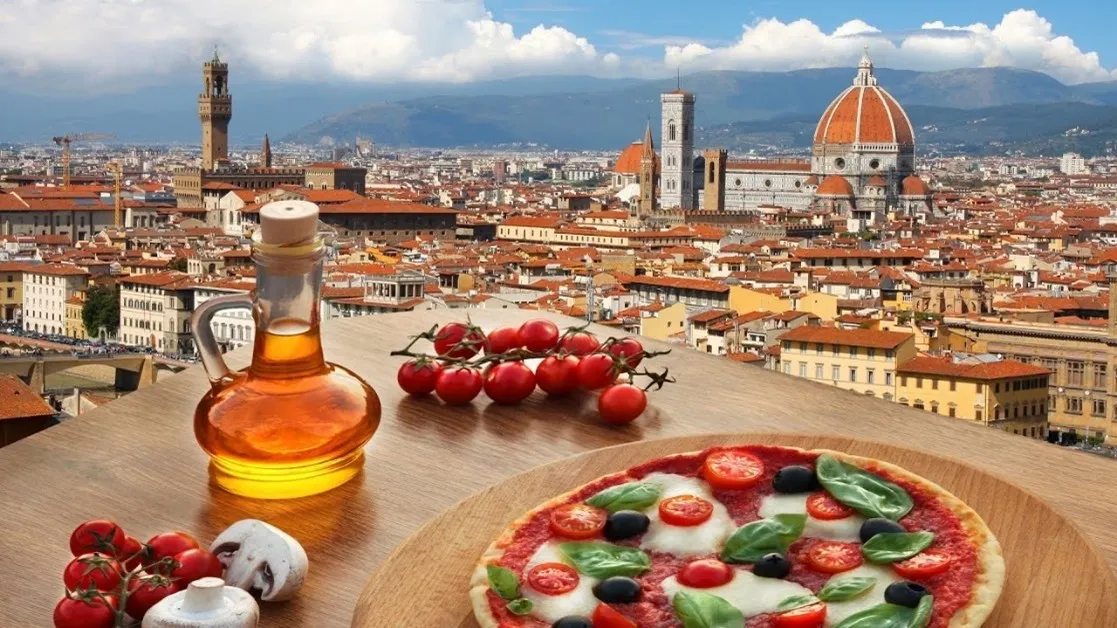
Famous Dishes:
• Pizza: A round flatbread topped with tomato sauce, cheese, and various toppings like pepperoni, vegetables, or even pineapple!
• Pasta: Pasta comes in many s...
Explore the World Within
Hakama

• Description: The hakama is a traditional Japanese garment worn over the kimono. It consists of wide, pleated trousers, usually worn with a kimono for formal occasions. Hakama a...
Explore the World Within
Kilt

• Description: The kilt is a knee-length skirt-like garment, traditionally made of woolen cloth in a tartan pattern. It is typically worn by men in Scotland and is fastened with ...
Explore the World Within
Dashiki

• Description: The dashiki is a colorful, loose-fitting tunic often worn by men and women in West Africa. It is typically made of cotton or silk and is decorated with bold patter...
Explore the World Within
Sari
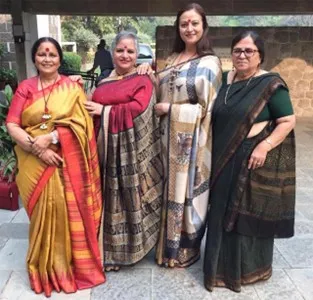
• Description: The sari is a long piece of cloth, typically ranging from 5 to 9 yards, draped elegantly around the body. It is often paired with a blouse (choli) and a petticoat ...
Explore the World Within
Kimono
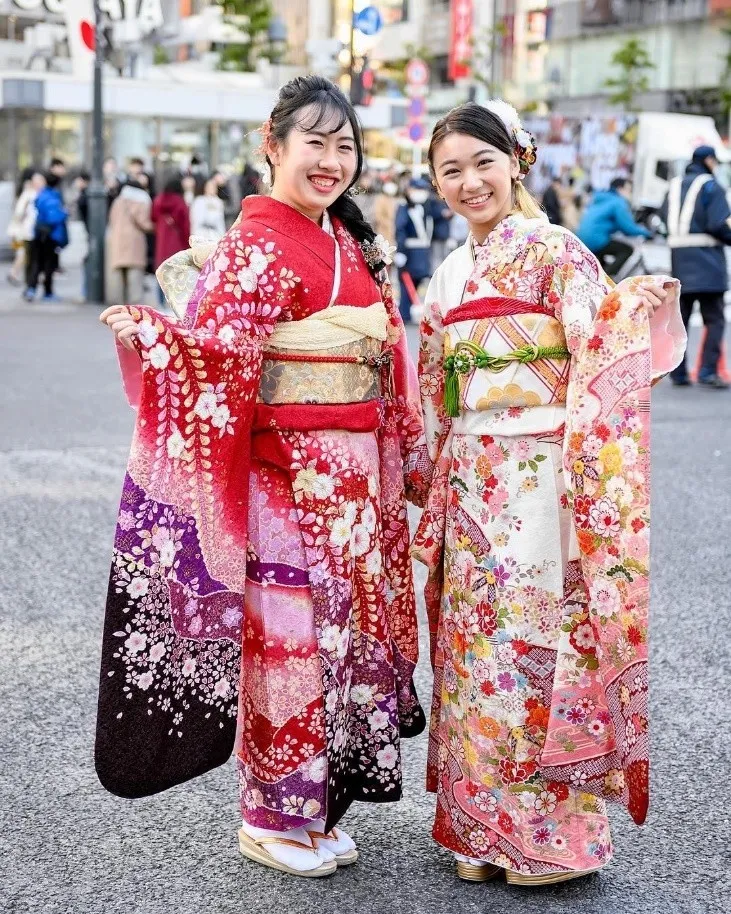
• Description: The kimono is a long, flowing robe characterized by wide sleeves, a V-shaped neckline, and a wrap-around design, typically secured with an obi (broad belt). Kimono...
Explore the World Within
Mardi Gras
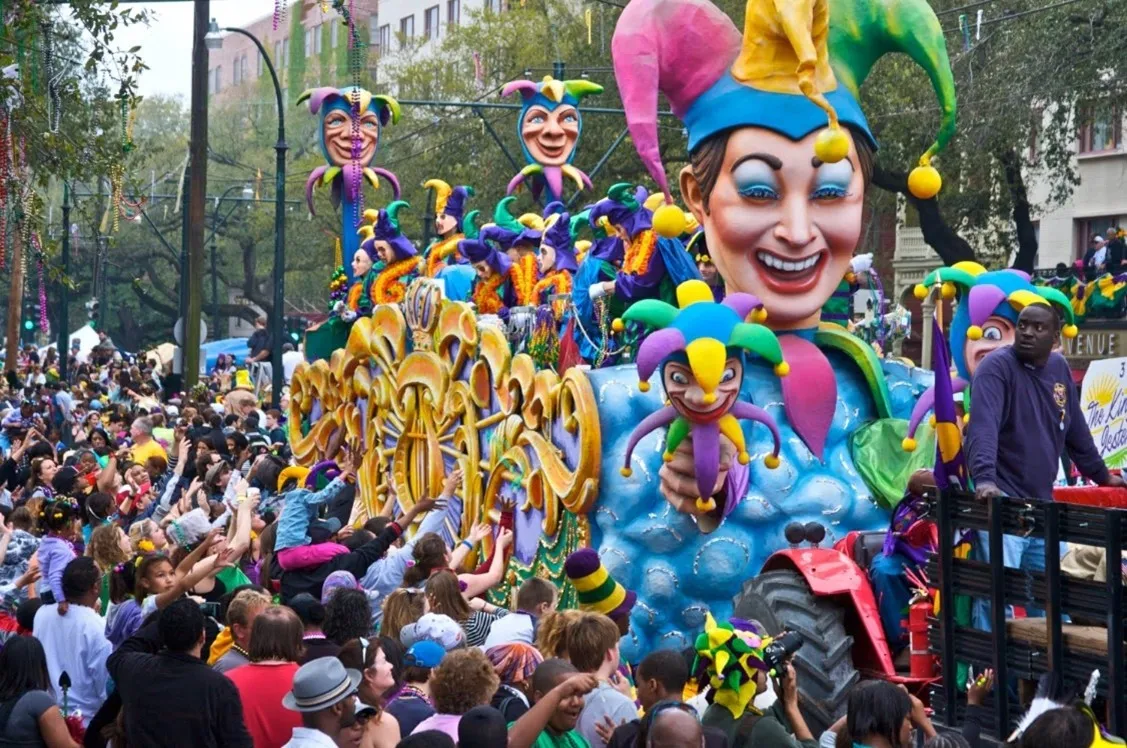
• Significance: Mardi Gras, meaning "Fat Tuesday" in French, is the culmination of Carnival celebrations before the start of Lent. The festival is rooted in Catholic traditions, ...
Day of the Dead
Day
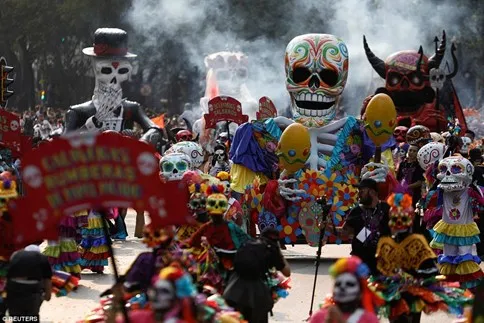
• Significance: Dia de los Muertos (Day of the Dead) is a Mexican festival honoring deceased loved ones. It is rooted in Indigenous traditions, particularly those of the Aztecs, ...
Chinese New Year
New Year
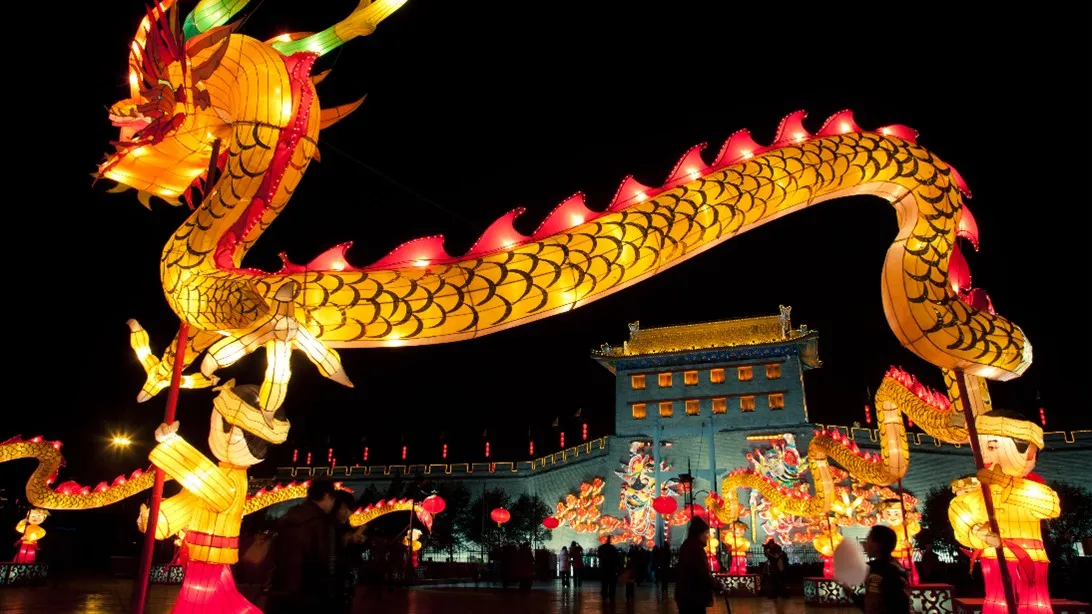
• Significance: Chinese New Year, also known as the Spring Festival, marks the beginning of the lunar new year and is steeped in myth and tradition. It celebrates the start of th...
Explore the World Within
Oktoberfest
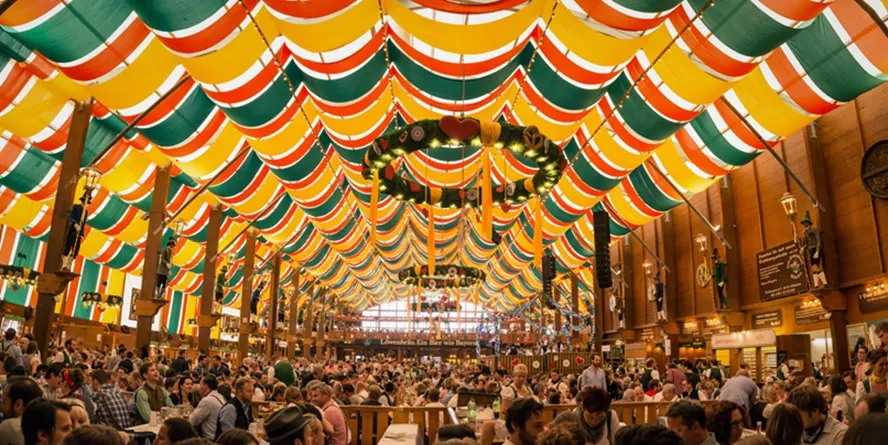
• Significance: Oktoberfest is a 16- to 18-day festival held annually in Munich, Germany, celebrating Bavarian culture, especially its beer brewing tradition. It dates back to 18...
Explore the World Within
Carnival

• Significance: Carnival is a pre-Lenten festival, meaning it takes place in the days leading up to Lent in the Christian liturgical calendar. It is a time of celebration, revelr...
Explore the World Within
Hanukkah

• Significance: Hanukkah, or the Festival of Lights, celebrates the miracle of the oil that burned for eight days in the rededication of the Second Temple in Jerusalem, despite t...
Explore the World Within
Christmas
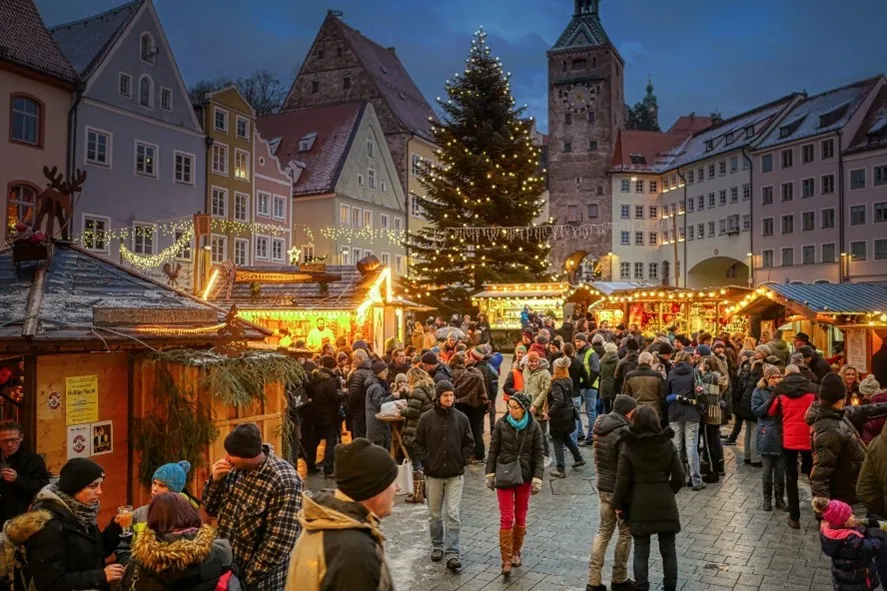
• Significance: Christmas is a Christian holiday that celebrates the birth of Jesus Christ. Over time, it has evolved into a global cultural event that emphasizes family, generos...
Explore the World Within
Eid al-Fitr
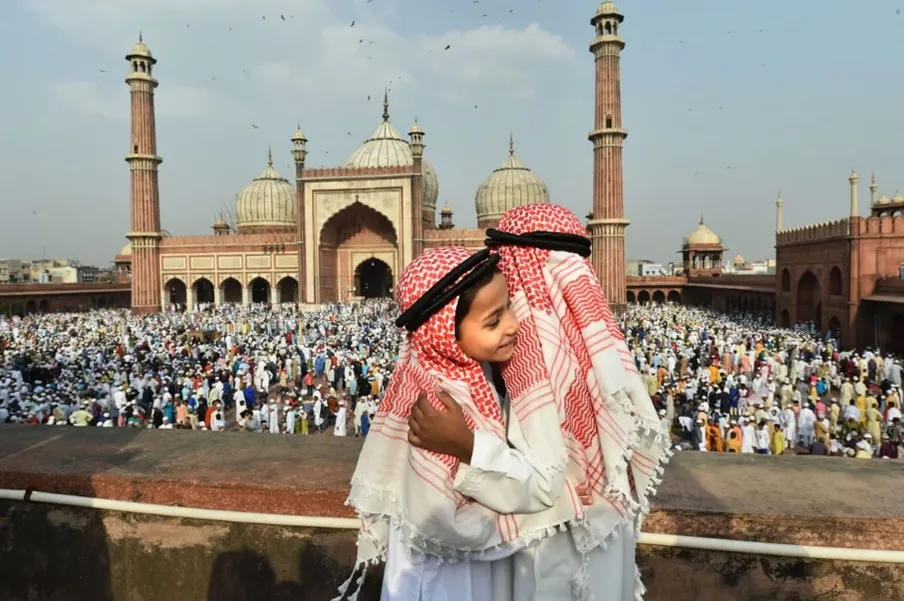
• Significance: Eid al-Fitr marks the end of Ramadan, the holy month of fasting observed by Muslims worldwide. It celebrates the conclusion of 29-30 days of fasting, prayer, and ...
Explore the World Within
Diwali
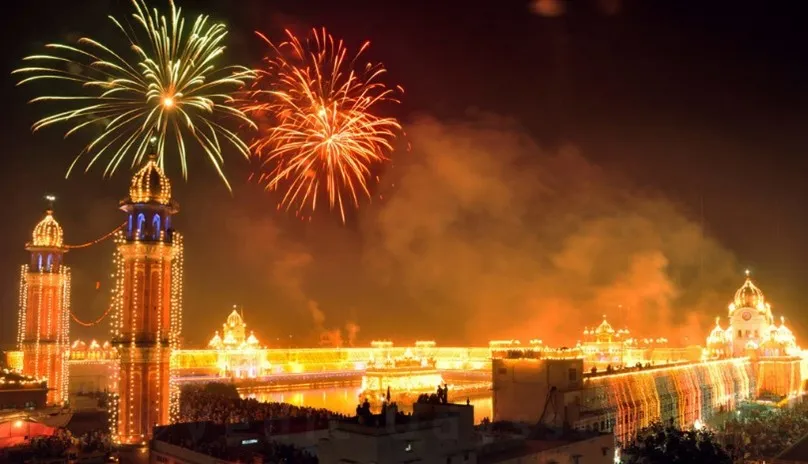
• Significance: Diwali, also known as the "Festival of Lights," is one of the most important Hindu festivals. It celebrates the triumph of light over darkness and good over evil,...