
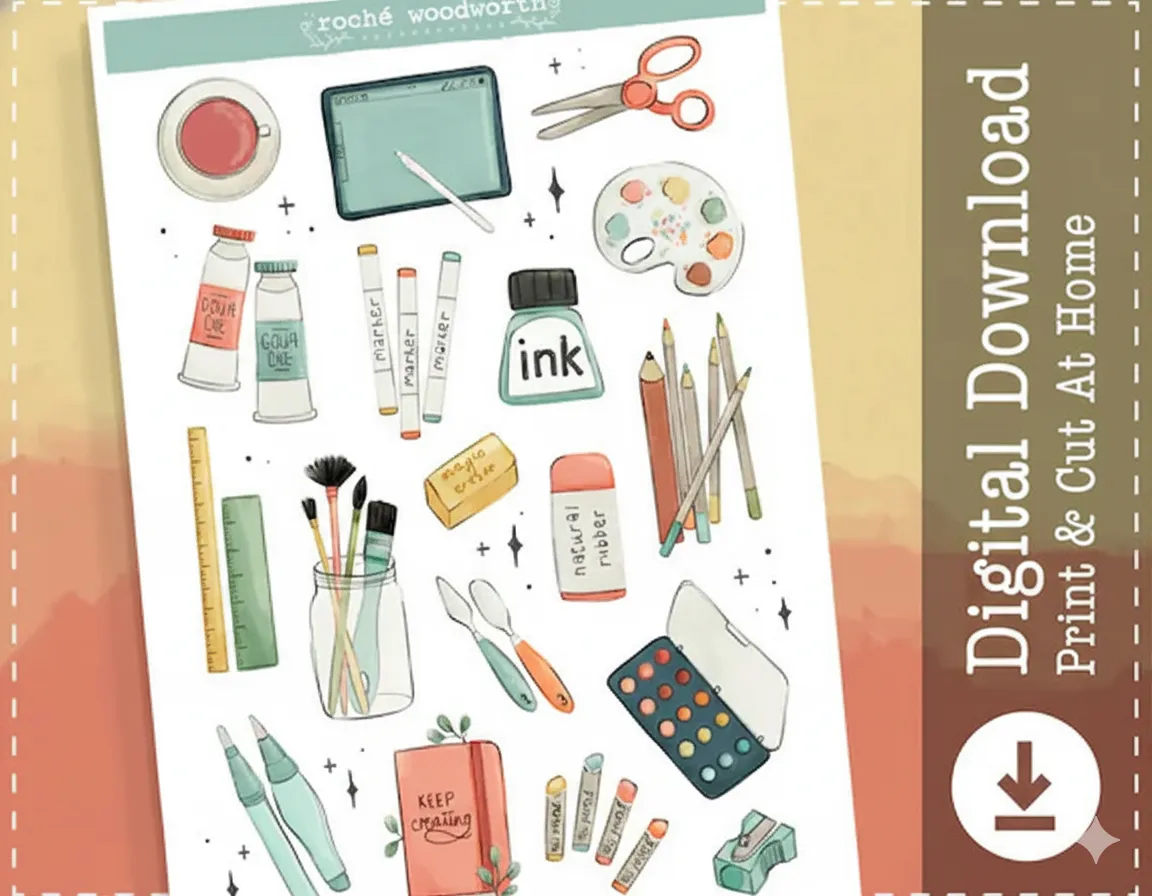
Collecting sticker art sheets can be a colorful and fun hobby for children. Each sheet often contains unique designs, characters, or themes that spark creativity and imagination. By collecting sticker sheets, children can explore different artistic styles, plan creative layouts, and even use stickers to decorate notebooks, cards, or art projects. This hobby makes art and design accessible, playful, and enjoyable, while encouraging children to appreciate visual creativity.
Moreover, collecting sticker art sheets helps children develop attention to detail, patience, and organizational skills. They can sort sheets by theme, color, or type of sticker, enhancing their ability to categorize and plan. This hobby also encourages children to create their own sticker-based designs, share collections with friends, and experiment with storytelling through visual art, fostering creativity, self-expression, and pride in their artwork.
Five Advantages for Children in Collecting Sticker Art Sheets
Children can explore different designs, characters, and themes, boosting imagination and artistic expression.
Studying sticker sheets helps children notice colors, patterns, and small design elements.
Sorting sheets by theme, color, or type encourages categorization and organizational abilities.
Children can create scenes, stories, or art projects using stickers, promoting creative thinking.
Sticker sheets are easy to collect, visually appealing, and inexpensive, making this hobby simple and enjoyable.
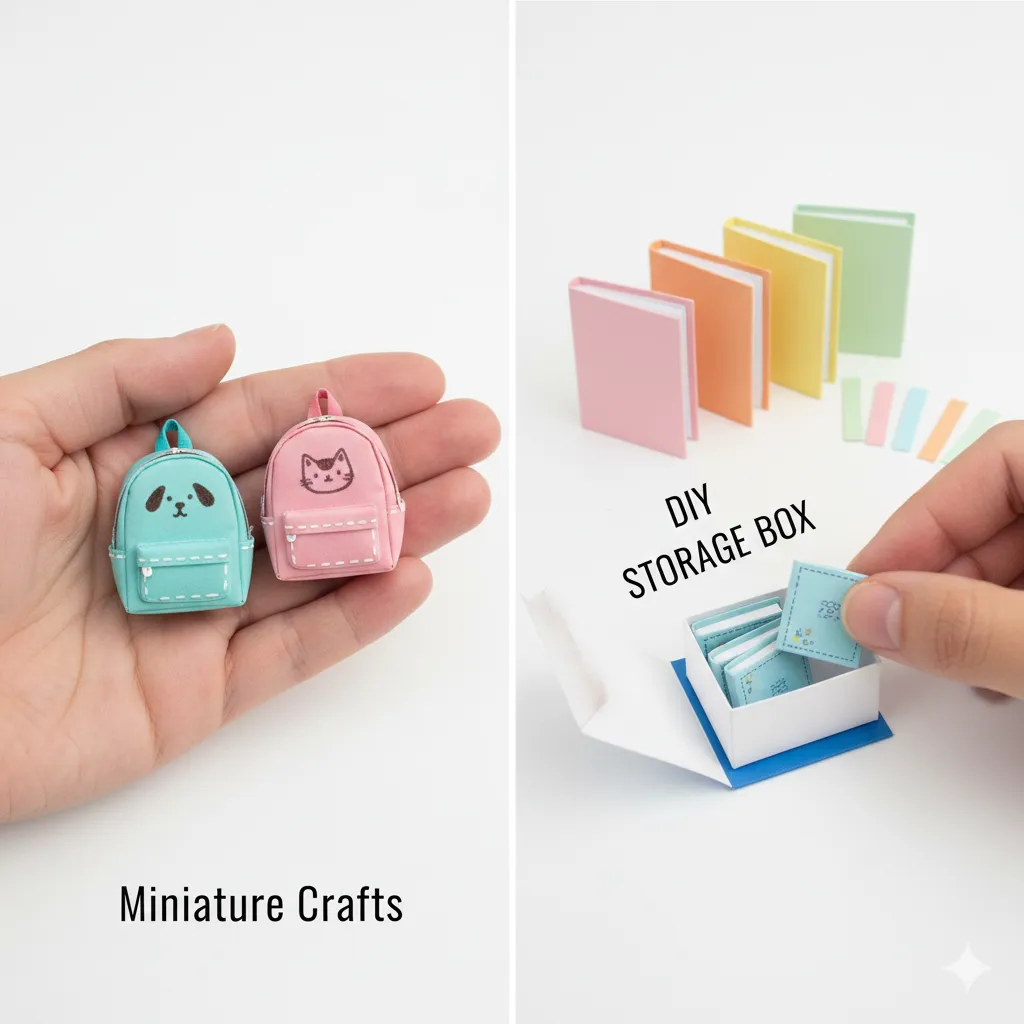
Collecting handmade miniature crafts can be a fascinating and educational hobby for children. Each miniature, whether it’s a tiny doll, toy, furniture piece, or decorative item, is crafted with care and creativity, making every piece unique. By collecting these crafts, children can appreciate the skill and effort involved in making small objects, while exploring different materials, designs, and cultural inspirations. This hobby combines art, imagination, and learning in a playful and interactive way.
Moreover, collecting miniature crafts encourages children to observe details closely, develop patience, and handle delicate objects carefully. They can organize their collection by theme, size, or type of craft, enhancing organizational and categorization skills. This hobby also sparks curiosity about different cultures, artistic techniques, and craftsmanship, fostering creativity, problem-solving, and pride in building a personal collection of tiny treasures.
Five Advantages for Children in Collecting Handmade Miniature Crafts
Children explore different designs, materials, and crafting techniques, boosting imagination and artistic understanding.
Examining miniature crafts carefully develops focus and noticing subtle artistic details.
Handling and creating small crafts strengthens dexterity, hand-eye coordination, and perseverance.
Children can categorize miniatures by theme, type, or size, improving organization and planning skills.
Miniature crafts often reflect cultural traditions, teaching children about art, heritage, and creativity from around the world.
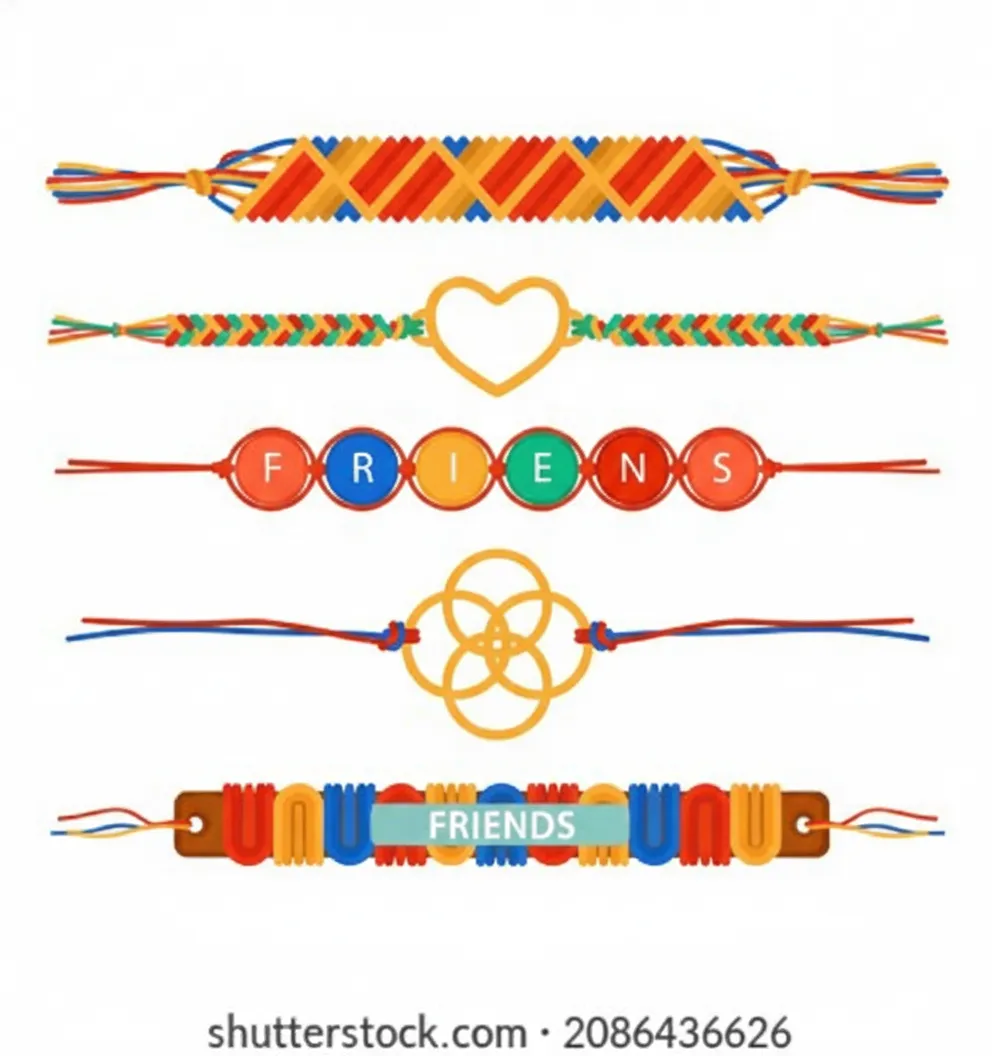
Collecting friendship band designs can be a colorful and meaningful hobby for children. Each band often features unique colors, patterns, and weaving techniques, making every piece special. By collecting different designs, children can explore creativity, appreciate artistic patterns, and celebrate the joy of friendship. This hobby transforms simple threads into an engaging activity that combines art, culture, and personal expression.
Moreover, collecting friendship bands encourages children to pay attention to details, practice patience, and experiment with various weaving styles. They can organize bands by color, pattern, or size, which develops observational and organizational skills. This hobby also fosters social interaction, as children may exchange bands with friends, learn about cultural traditions, and express care and friendship creatively, enhancing both artistic and emotional development.
Five Advantages for Children in Collecting Friendship Band Designs
Children explore different weaving patterns, colors, and designs, boosting imagination and craftsmanship.
Making and handling friendship bands strengthens hand-eye coordination and dexterity.
Creating intricate designs requires concentration, building persistence and attention span.
Children can sort bands by color, pattern, or size, improving categorization and orderliness.
Collecting and exchanging bands promotes friendship, sharing, and appreciation for others’ creativity.
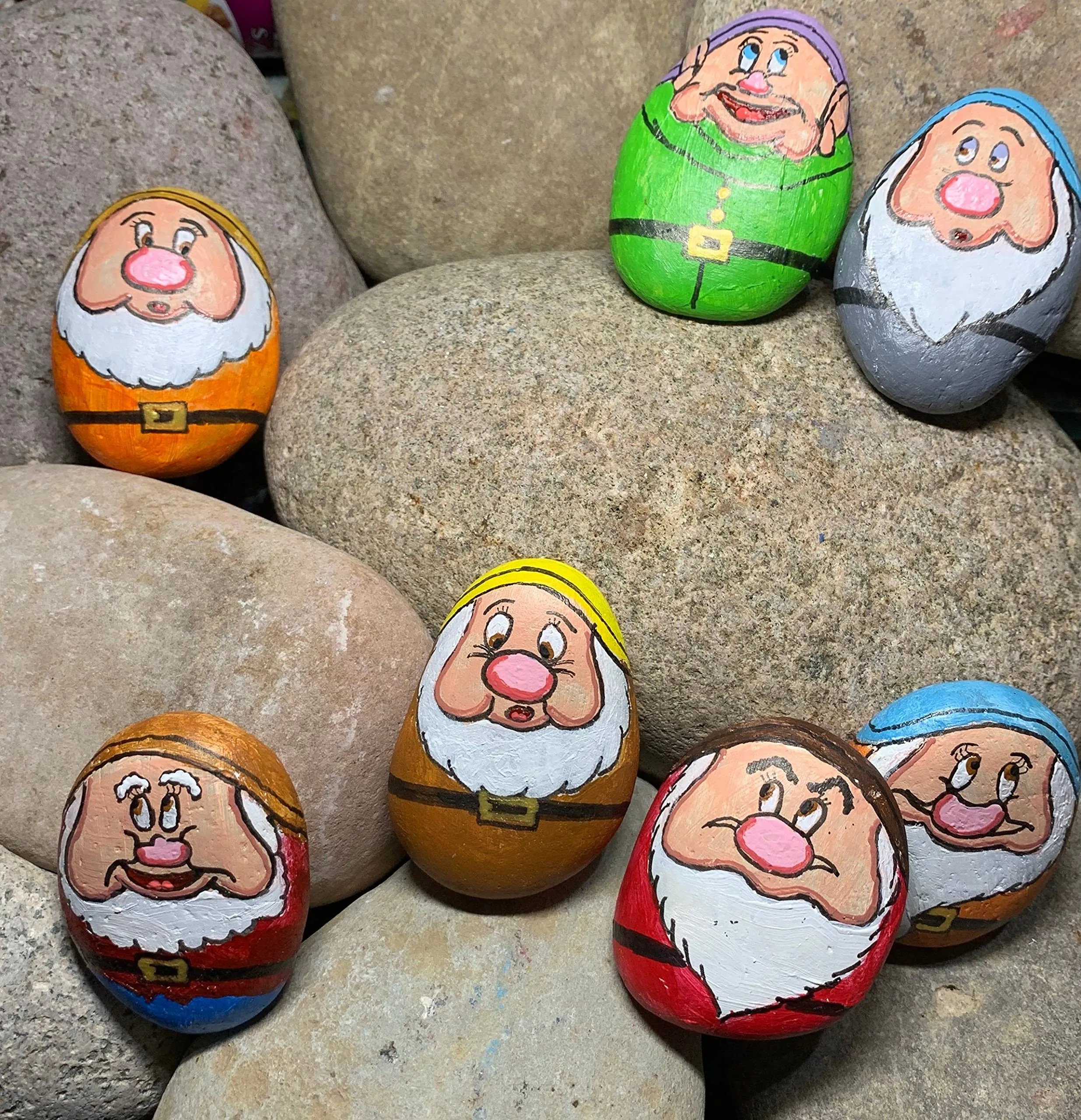
Collecting painted stones can be a colorful and creative hobby for children. Each stone is unique in shape, size, and texture, and painting it allows children to create beautiful designs, patterns, or characters. By collecting painted stones, children can enjoy expressing their imagination and creativity while building a personal collection of artistic pieces. This hobby turns simple stones found in nature into meaningful and visually appealing art.
Moreover, collecting painted stones encourages children to observe details, experiment with colors, and develop fine motor skills. They can organize stones by color, theme, or design, improving their attention to detail and organizational abilities. This hobby also promotes patience, problem-solving, and a sense of pride in creating and preserving their artwork, fostering creativity and self-expression in a fun and interactive way.
Five Advantages for Children in Collecting Painted Stones
Children can paint unique designs, patterns, or characters, boosting imagination and art abilities.
Painting stones requires precision, which strengthens hand-eye coordination and dexterity.
Creating detailed designs on stones teaches children concentration and perseverance.
Children can sort painted stones by color, theme, or design, improving categorization skills.
Children gain confidence and pride in their artwork while appreciating creativity in themselves and others.
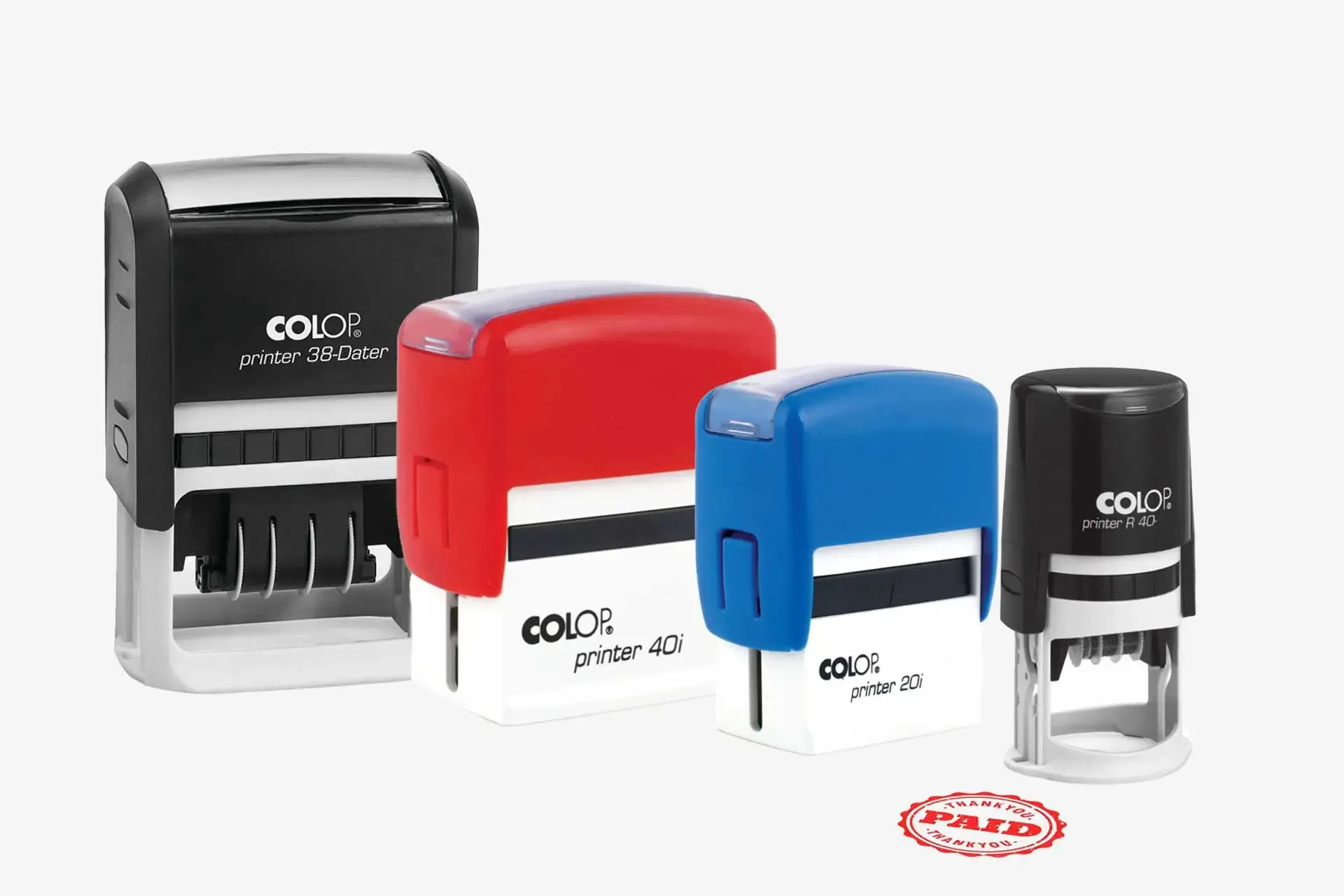
Collecting rubber stamps and ink prints can be a creative and enjoyable hobby for children. Each stamp carries a unique design, shape, or pattern, and the prints created from them are often colorful and artistic. By collecting stamps and ink prints, children can explore different styles, patterns, and designs, turning a simple stamping activity into a fun and imaginative learning experience. This hobby encourages creativity, artistic thinking, and visual exploration.
Moreover, collecting rubber stamps and ink prints helps children develop patience, attention to detail, and fine motor skills. They can organize stamps by theme, shape, or design and keep track of the prints they create, enhancing organizational skills. This hobby also inspires children to experiment with colors, create new designs, and share their artwork, fostering self-expression, problem-solving, and a sense of accomplishment.
Five Advantages for Children in Collecting Rubber Stamps & Ink Prints
Children explore different stamp designs and experiment with ink colors to create unique art.
Using stamps and ink requires precision, which strengthens hand-eye coordination and dexterity.
Creating clear prints and organizing collections helps children develop concentration and perseverance.
Children can sort stamps by shape, theme, or design, improving categorization and planning skills.
Children can create unique prints, share their creations, and feel proud of their artistic efforts.
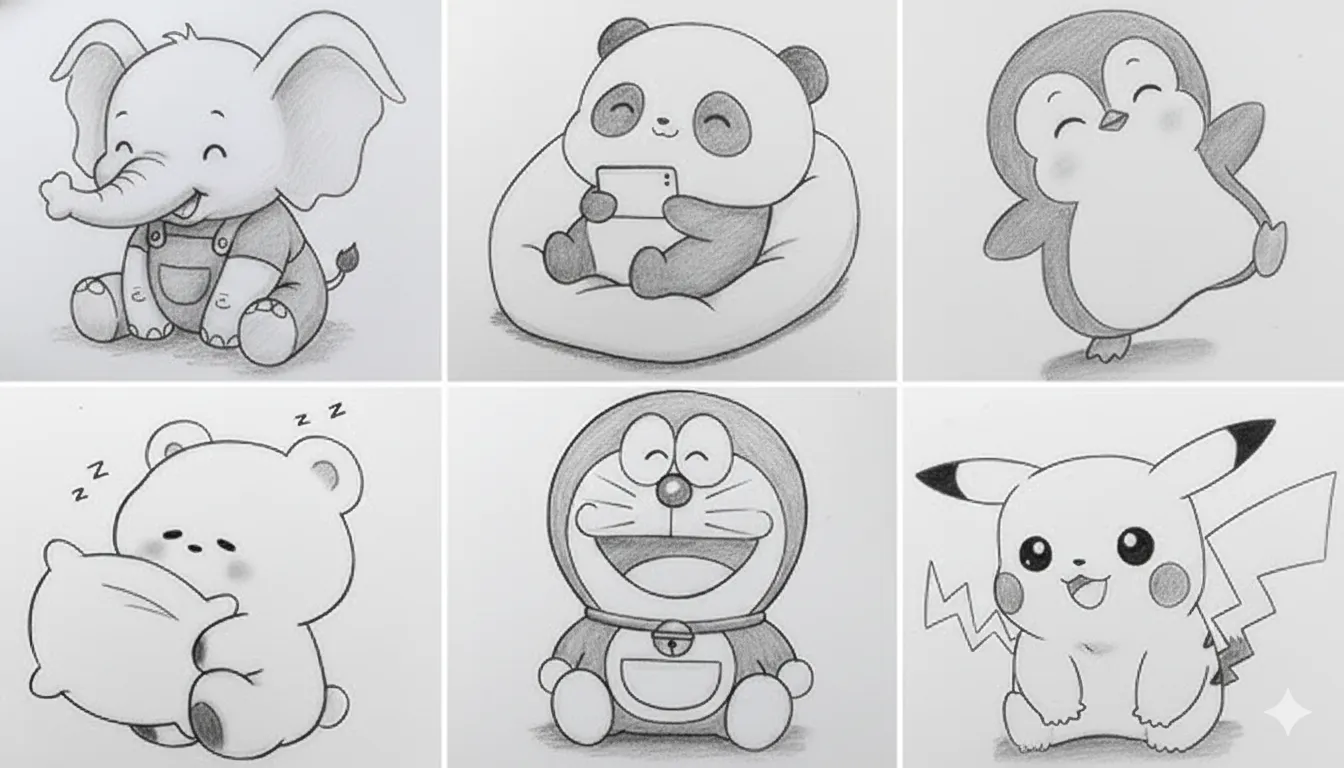
Collecting cartoon sketches can be a fun and imaginative hobby for children. Each sketch, whether hand-drawn or printed, showcases creativity, humor, and artistic style, making every piece unique. By collecting cartoon sketches, children can explore different characters, drawing techniques, and story ideas. This hobby encourages creativity and helps children appreciate art in a playful and entertaining way.
Moreover, collecting cartoon sketches helps children develop observation skills, patience, and attention to detail. They can organize sketches by character, style, or theme, improving their categorization and organizational abilities. This hobby also inspires children to create their own sketches, develop storytelling skills, and express emotions or ideas through drawings, fostering imagination and confidence.
Five Advantages for Children in Collecting Cartoon Sketches
Children explore different characters, drawing styles, and story ideas, boosting imaginative thinking.
Studying sketches helps children notice lines, shapes, expressions, and artistic techniques.
Children can sort sketches by theme, character, or style, improving organization skills.
Collecting and creating sketches inspires children to tell stories and express ideas visually.
Children feel proud of their collection and learn to value creativity in themselves and others.
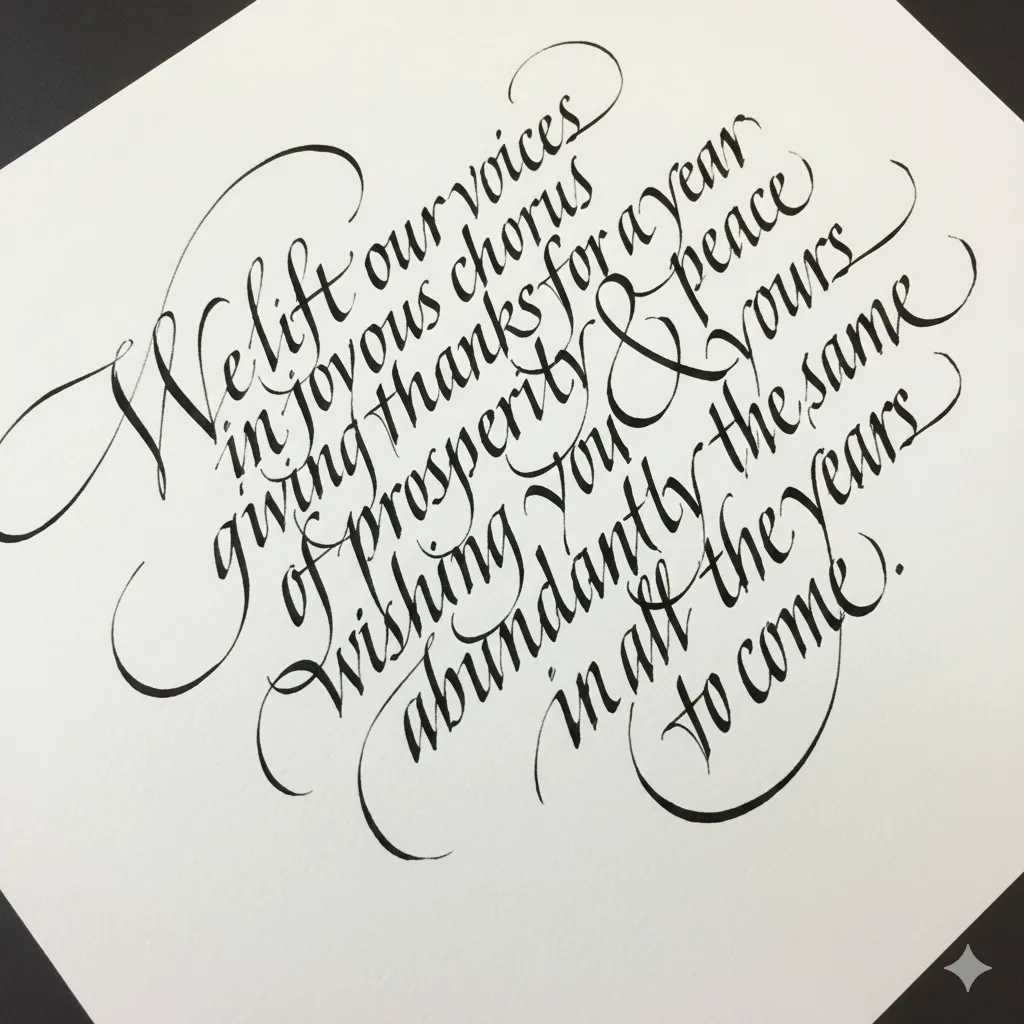
Collecting calligraphy samples can be a creative and inspiring hobby for children. Each sample showcases beautiful handwriting, unique lettering styles, and artistic flourishes, making every piece special. By collecting these samples, children can explore different fonts, scripts, and decorative styles, while learning to appreciate the art of writing. This hobby turns simple letters into an engaging and artistic activity, encouraging children to value creativity and precision.
Moreover, collecting calligraphy samples helps children develop patience, focus, and fine motor skills. They can organize samples by style, alphabet, or language, improving observational and organizational skills. This hobby also inspires children to try calligraphy themselves, express personal messages through writing, and gain confidence in their artistic abilities, fostering both learning and self-expression.
Five Advantages for Children in Collecting Calligraphy Samples
Children learn different lettering styles and decorative writing techniques, boosting creativity.
Practicing or handling calligraphy samples helps develop hand-eye coordination and precise movements.
Studying and creating calligraphy requires focus, building attention span and perseverance.
Children can sort samples by style, alphabet, or language, improving categorization and organization.
Collecting and practicing calligraphy allows children to express themselves artistically and feel proud of their creations.
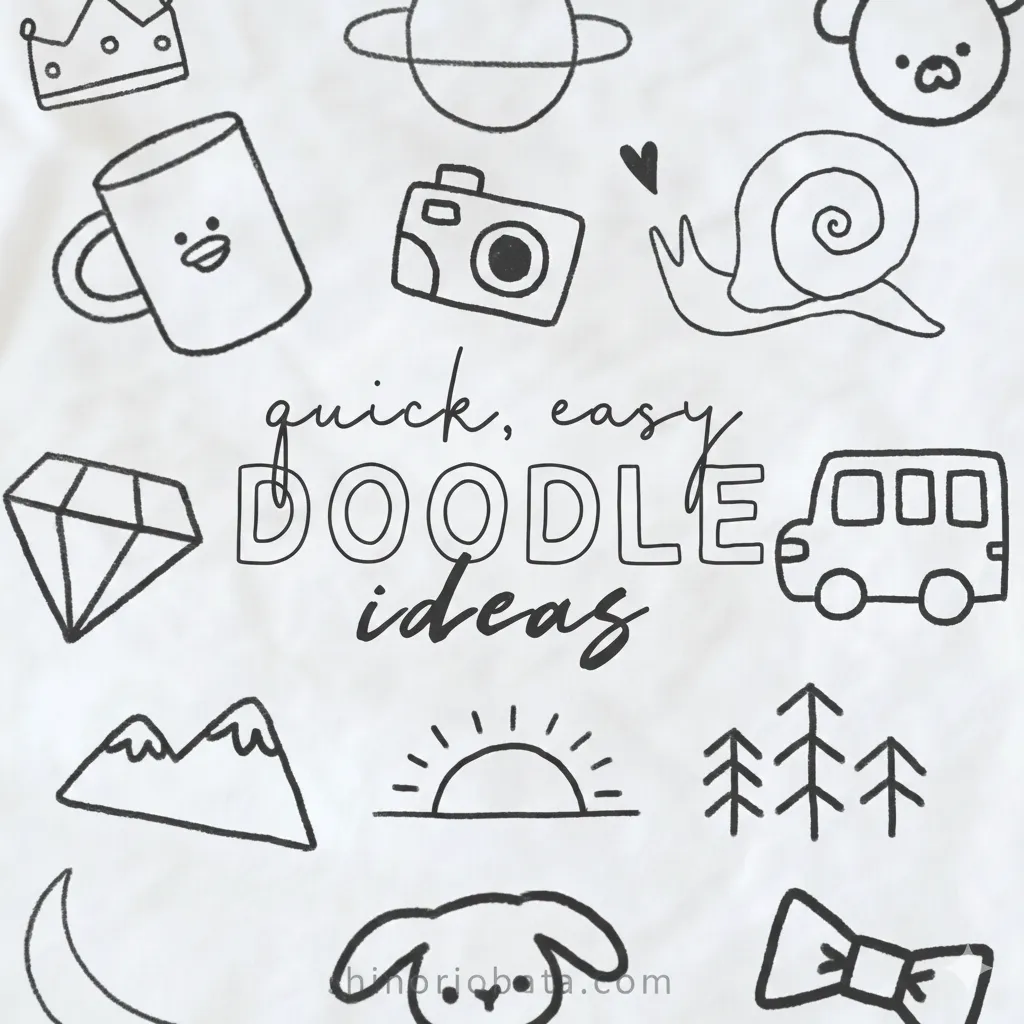
Collecting doodles or mini-drawings can be a fun and creative hobby for children. Each doodle or drawing is unique, reflecting imagination, style, and ideas, making every piece special. By collecting these small artworks, children can explore different themes, techniques, and artistic expressions. This hobby encourages creativity while making art accessible and enjoyable, even with simple materials like paper and pencils.
Moreover, collecting doodles or mini-drawings helps children develop patience, focus, and attention to detail. They can organize and categorize their collection by themes, styles, or artists, enhancing observational and organizational skills. This hobby also inspires children to create their own drawings, express emotions, and share their creativity with friends and family, fostering self-confidence and artistic appreciation.
Five Advantages for Children in Collecting Doodles or Mini-Drawings
Children explore different drawing styles and ideas, improving imagination and artistic expression.
Studying small drawings helps children notice fine details, patterns, and techniques.
Children can categorize their doodles by theme, style, or color, building organizational abilities.
Collecting and creating drawings inspires children to express thoughts, emotions, and stories through art.
Children gain pride in their collection and learn to value creativity in themselves and others.
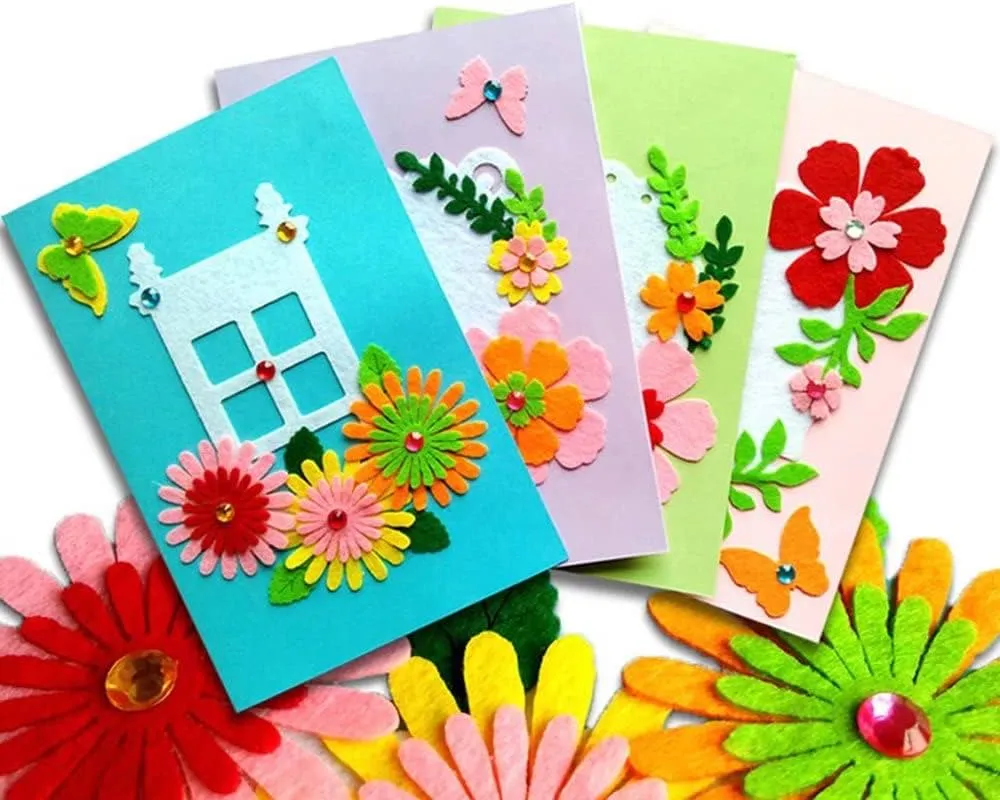
Collecting handmade greeting cards can be a creative and meaningful hobby for children. Each card is unique, often decorated with drawings, stickers, or artistic designs, making it a special piece to keep. By collecting these cards, children can appreciate the effort and creativity behind each one, while exploring colors, patterns, and themes. This hobby encourages artistic expression and helps children develop an eye for beauty and design.
Moreover, collecting handmade greeting cards encourages children to value personal expression and creativity. They can organize cards by occasion, design, or color, improving attention to detail and organizational skills. This hobby also inspires children to create their own cards, share messages with family and friends, and understand the joy of giving and receiving thoughtful gestures, fostering empathy and communication skills.
Five Advantages for Children in Collecting Handmade Greeting Cards
Children learn about different designs, colors, and art techniques through unique handmade cards.
Examining cards carefully helps children notice small artistic details and patterns.
Children can organize cards by occasion, theme, or design, improving categorization and orderliness.
Collecting and making cards inspires children to create their own designs and express feelings through art.
Children learn to value the effort behind handmade items and understand the importance of thoughtful gestures.
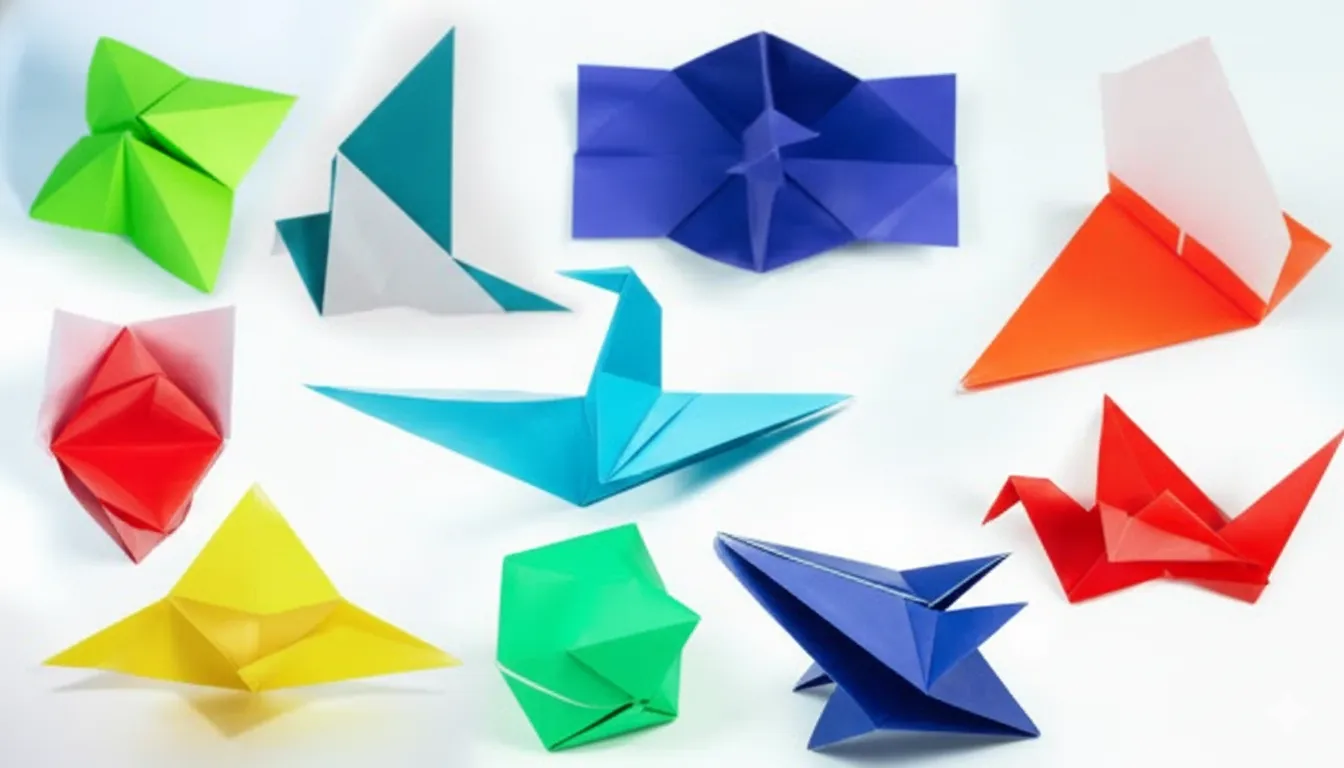
Collecting origami models can be a creative and educational hobby for children. Each model, whether it’s a crane, boat, animal, or flower, is made by folding paper into unique shapes, making every piece special. By collecting origami models, children can appreciate the art of paper folding, explore different designs, and enjoy the satisfaction of creating or collecting beautiful objects. This hobby makes learning about art, shapes, and creativity both fun and interactive.
Moreover, collecting origami models encourages patience, attention to detail, and fine motor skills. Children learn to carefully fold, handle, and preserve each model, which improves hand-eye coordination and focus. This hobby also inspires curiosity about design, geometry, and culture, as origami has rich traditions from around the world, helping children develop creativity, problem-solving skills, and a sense of accomplishment.
Five Advantages for Children in Collecting Origami Models
Children explore different designs and folding techniques, developing their artistic abilities.
Folding paper models enhances hand-eye coordination and dexterity.
Creating and collecting origami requires careful attention, building concentration and perseverance.
Children can organize and display their models by type, size, or theme, improving categorization skills.
Learning about origami introduces children to its history, traditions, and cultural significance, broadening their knowledge.