
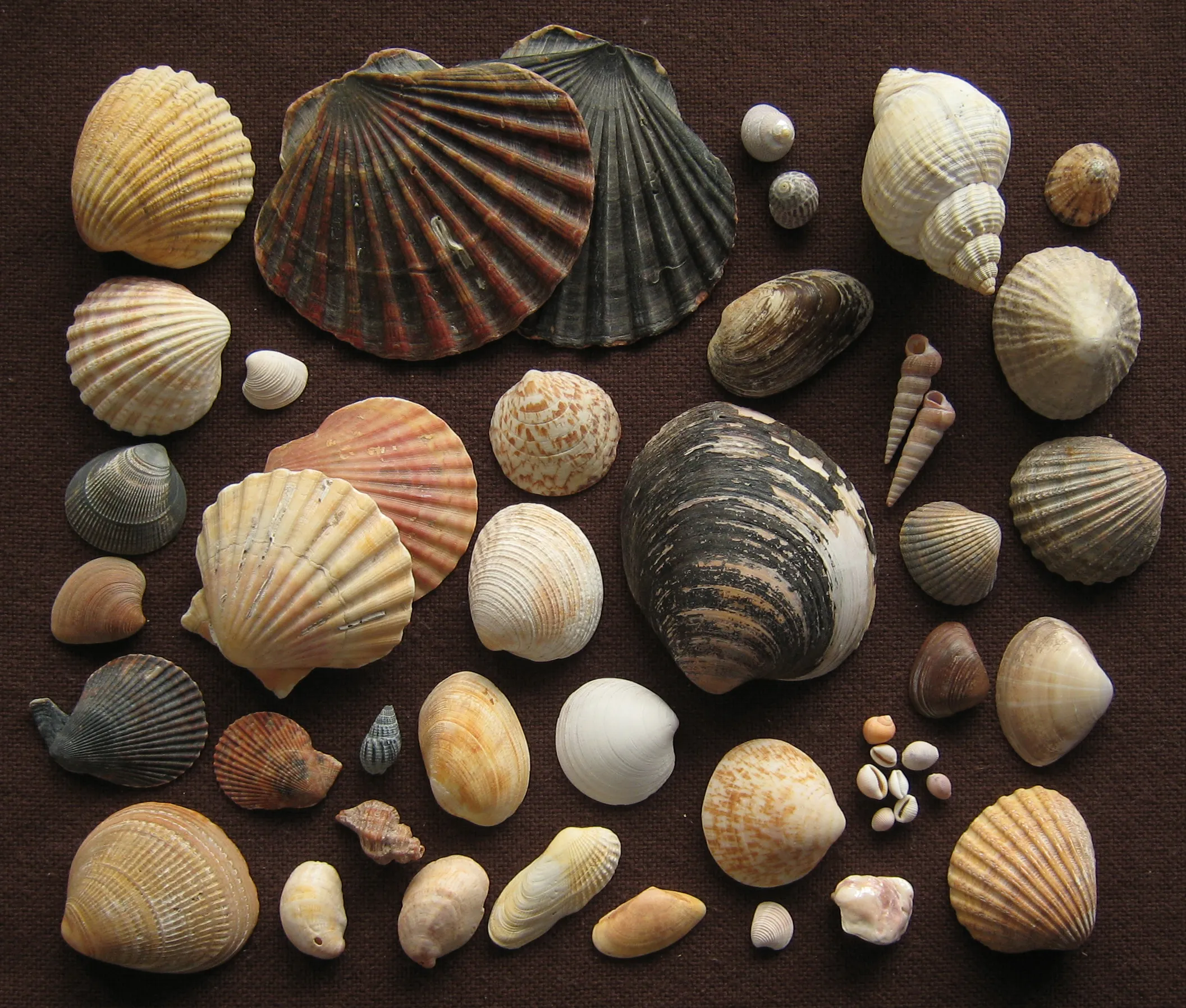
Collecting Seashells is a meaningful activity that helps children explore and connect with the natural world. As they walk along the beach searching for shells of various shapes, patterns, and colors, they naturally develop curiosity and observation skills. This simple experience teaches them to pay attention to details and appreciate the diversity found in nature. Seashell collecting also introduces children to basic scientific ideas,such as marine life, tides, and habitats,encouraging early interest in environmental learning.
Beyond learning, seashell collecting supports children’s emotional and creative development. The calming sound of waves and the gentle act of searching for shells bring relaxation and mindfulness. Holding a unique shell or discovering a rare one sparks imagination and storytelling, allowing children to express creativity in natural ways. For many children, collecting seashells becomes a joyful and peaceful experience that strengthens their connection to nature while nurturing their personal growth.
Five Advantages of Collecting Seashells for Children
Children learn to notice patterns, textures, and shapes, improving their observation skills and introducing basic scientific concepts.
Seashells inspire artistic projects, storytelling, and imaginative play, fostering creativity.
Picking up, sorting, and examining small shells helps develop fine motor control and hand–eye coordination.
Cleaning, organizing, and preserving their shells helps children learn responsibility and respect for nature.
Walking along the shore and searching for shells brings calmness, reduces stress, and supports emotional balance.
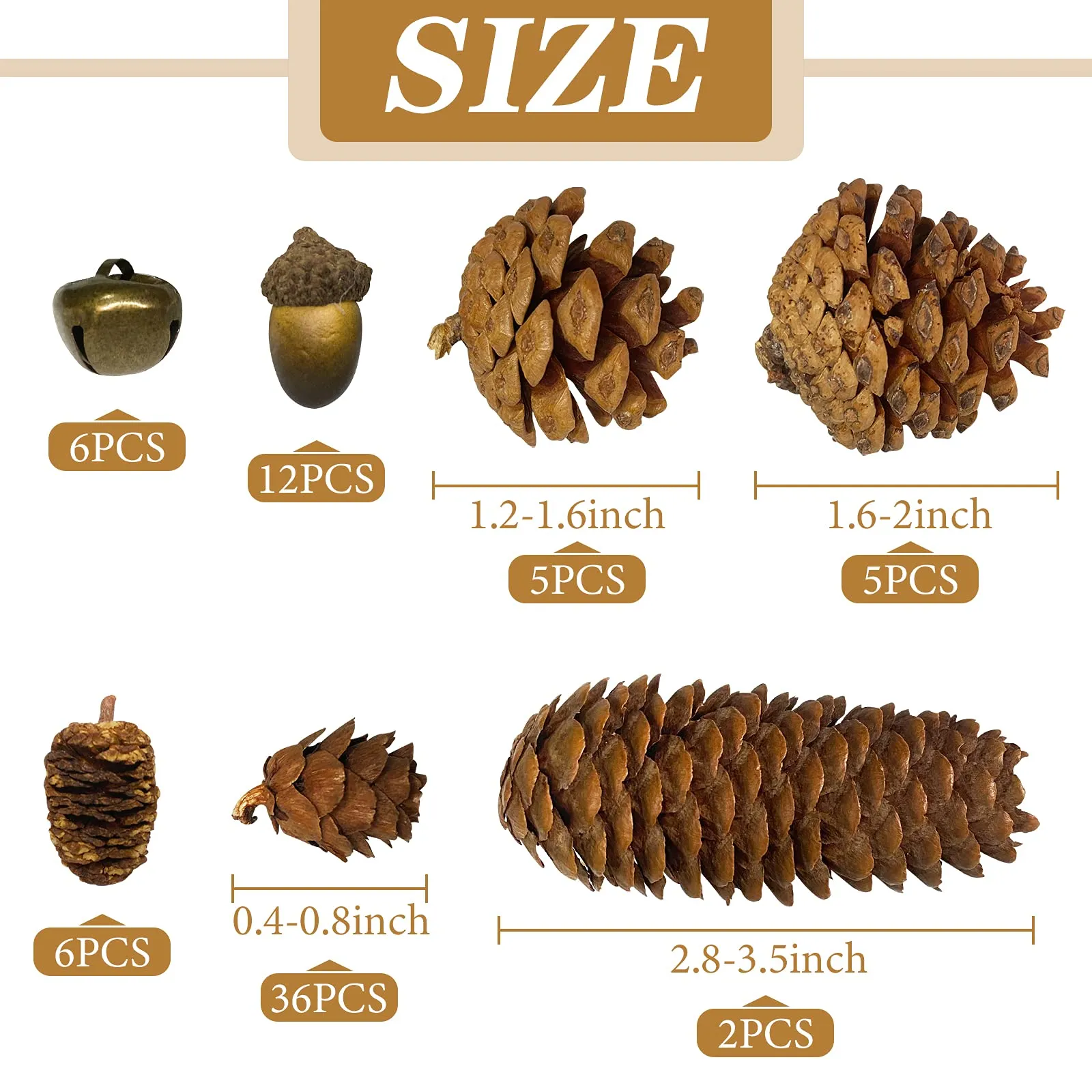
Collecting pinecones and acorns is a fun and educational hobby for children. Pinecones and acorns come in different shapes, sizes, and textures, making each one unique. When children collect them, they learn about trees, forests, and how seeds grow into new plants. This hobby encourages children to explore outdoors, observe nature closely, and appreciate the beauty of the natural world.
Collecting pinecones and acorns also teaches children patience and responsibility. Organizing and preserving their collection helps children take pride in their work and understand the life cycle of plants in a hands-on way. It is a creative and enjoyable activity that connects children with nature.
Five Advantages of Collecting Pinecones / Acorns for Children
Children learn about different tree species, seeds, and how new plants grow from acorns and pinecones.
Noticing differences in size, shape, color, and texture improves children’s attention to detail and curiosity.
Collected pinecones and acorns can be used for art projects, crafts, or decorations, inspiring imagination and artistic skills.
Collecting, cleaning, and arranging pinecones and acorns teaches children to be careful, organized, and responsible.
Children are encouraged to explore parks, forests, and gardens, fostering curiosity, physical activity, and a love for nature.
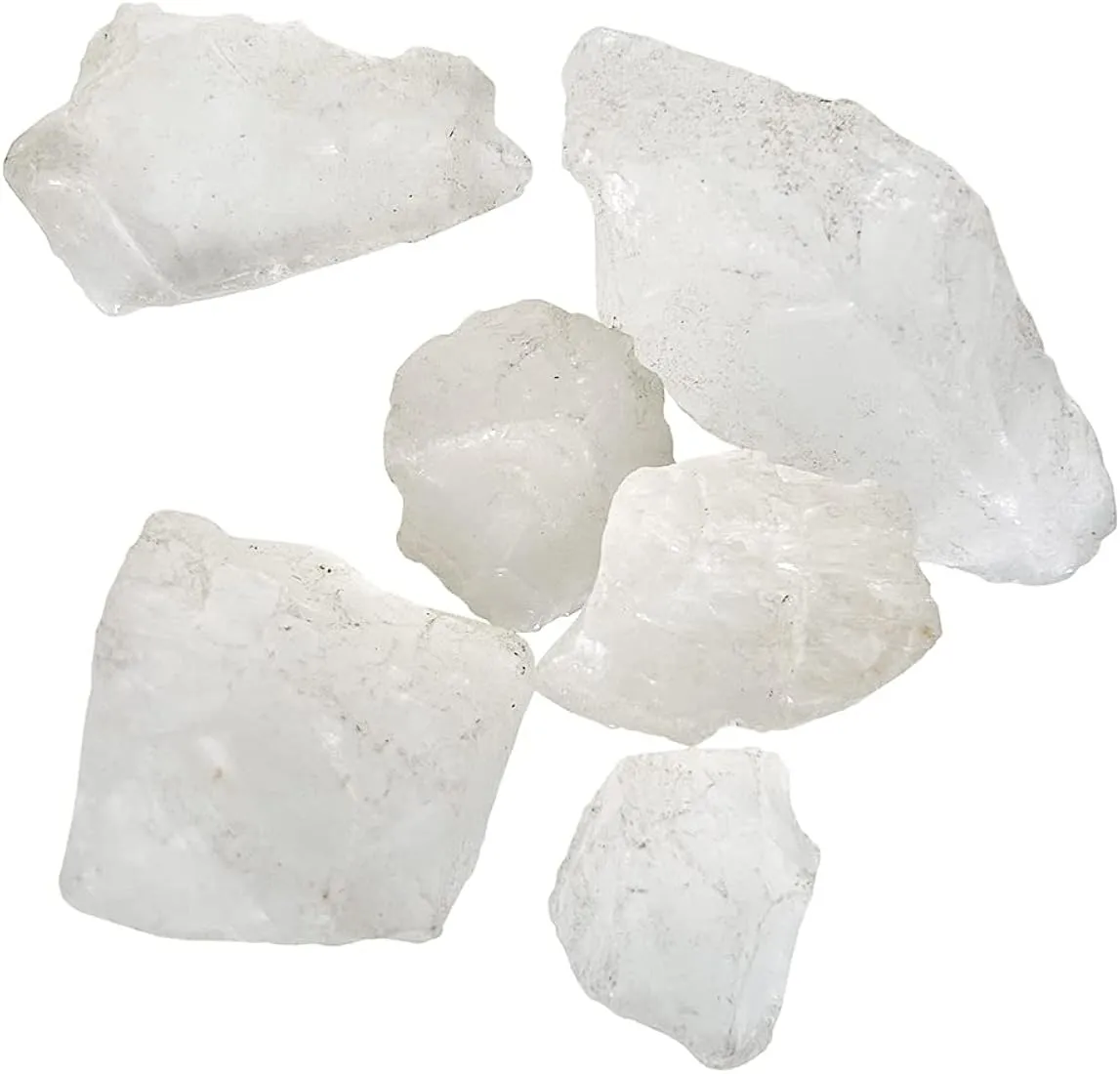
Collecting natural crystals is a fascinating and educational hobby for children. Crystals come in many colors, shapes, and sizes, each with its own sparkle and beauty. When children collect crystals, they learn about minerals, geology, and the natural world. This hobby encourages curiosity about how crystals are formed and where they can be found.
Collecting crystals also teaches children to observe details, handle objects carefully, and organize their collections. It is a fun way to explore science while appreciating the beauty and uniqueness of nature. Children feel proud as their crystal collection grows, which also inspires creativity and learning.
Five Advantages of Collecting Natural Crystals for Children
Children learn about different types of crystals, rocks, and how they are formed in nature.
Noticing colors, shapes, textures, and patterns improves children’s attention to detail and curiosity.
Crystals can inspire art projects, displays, or storytelling, fostering imagination and artistic skills.
Collecting, cleaning, and organizing crystals teaches children to be careful, responsible, and organized.
Searching for crystals encourages children to explore natural environments like hills, caves, and rivers safely, fostering a love for nature.
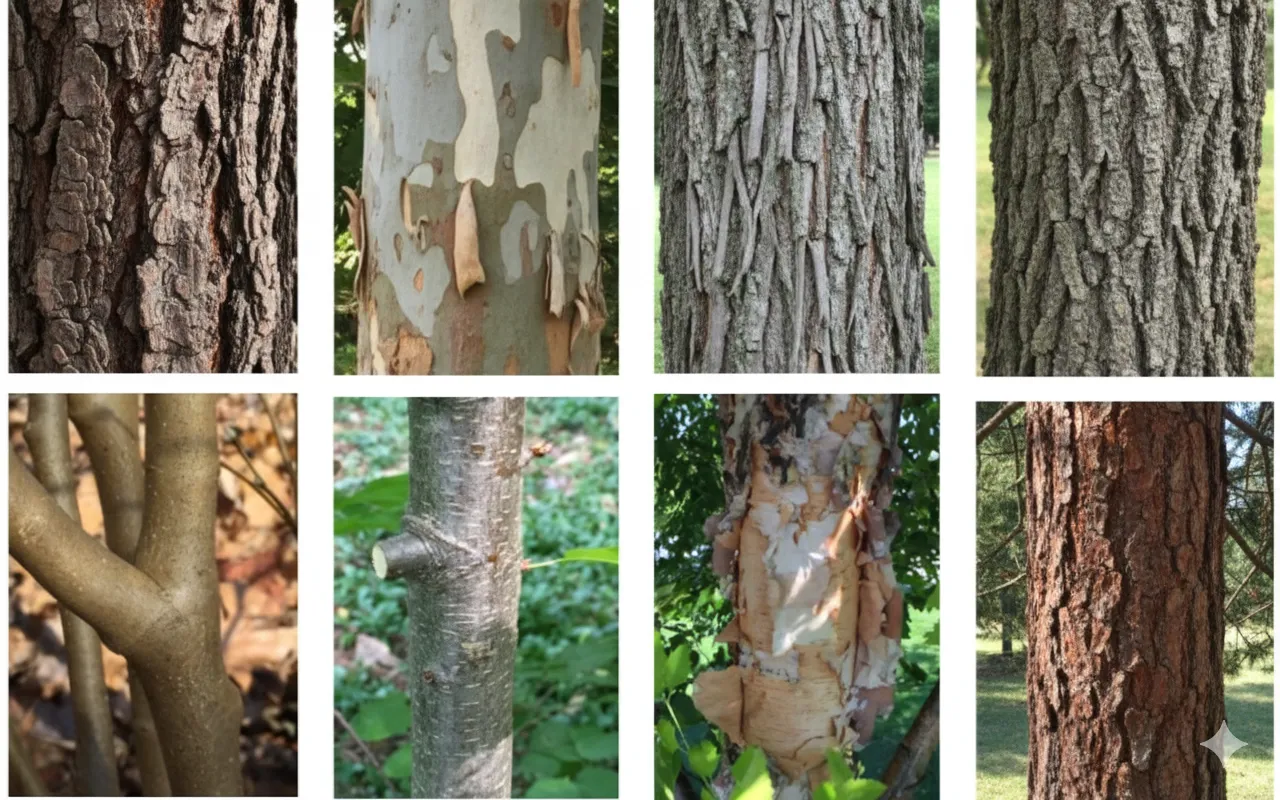
Collecting small, safe pieces of tree bark is an interesting and educational hobby for children. Tree bark comes in different textures, colors, and patterns, making each piece unique. When children collect bark, they learn about different types of trees, forests, and the natural environment around them.
This hobby encourages children to explore outdoors and observe nature closely. Collecting and preserving tree bark teaches responsibility, patience, and respect for living plants. It also helps children understand how trees grow and protect themselves, making nature learning hands-on, creative, and enjoyable.
Five Advantages of Collecting Tree Barks for Children
Children learn about different tree species, their bark types, and the role bark plays in protecting trees.
Noticing colors, textures, and patterns in bark improves children’s attention to detail and curiosity.
Collected bark pieces can be used for art, craft projects, or nature displays, inspiring imagination and artistic skills.
Collecting, handling carefully, and organizing bark pieces teaches children to be responsible and patient.
Children are encouraged to explore parks, gardens, and forests safely, fostering curiosity and a love for nature.

Collecting sand from different places is a simple, interesting, and educational hobby for children. Sand comes in many colors, textures, and grains, depending on where it is found,beaches, rivers, deserts, or mountains. When children collect sand, they learn about the variety of natural landscapes and the earth’s geography.
This hobby encourages children to explore outdoors, observe nature carefully, and understand how sand forms from rocks and soil over time. Organizing and storing sand samples teaches responsibility, patience, and pride in their collection. It is a fun way for children to connect with nature while learning about science and the world around them.
Five Advantages of Collecting Sand from Different Places for Children
Children learn about different regions, landscapes, and the types of sand found in each place.
Children notice differences in color, texture, and grain size, improving attention to detail and curiosity.
Collecting and comparing sand samples inspires children to ask questions about rocks, soil, erosion, and natural processes.
Carefully collecting, labeling, and storing sand teaches children to be organized and responsible.
Children are encouraged to visit beaches, riversides, and deserts, fostering curiosity and a love for nature.
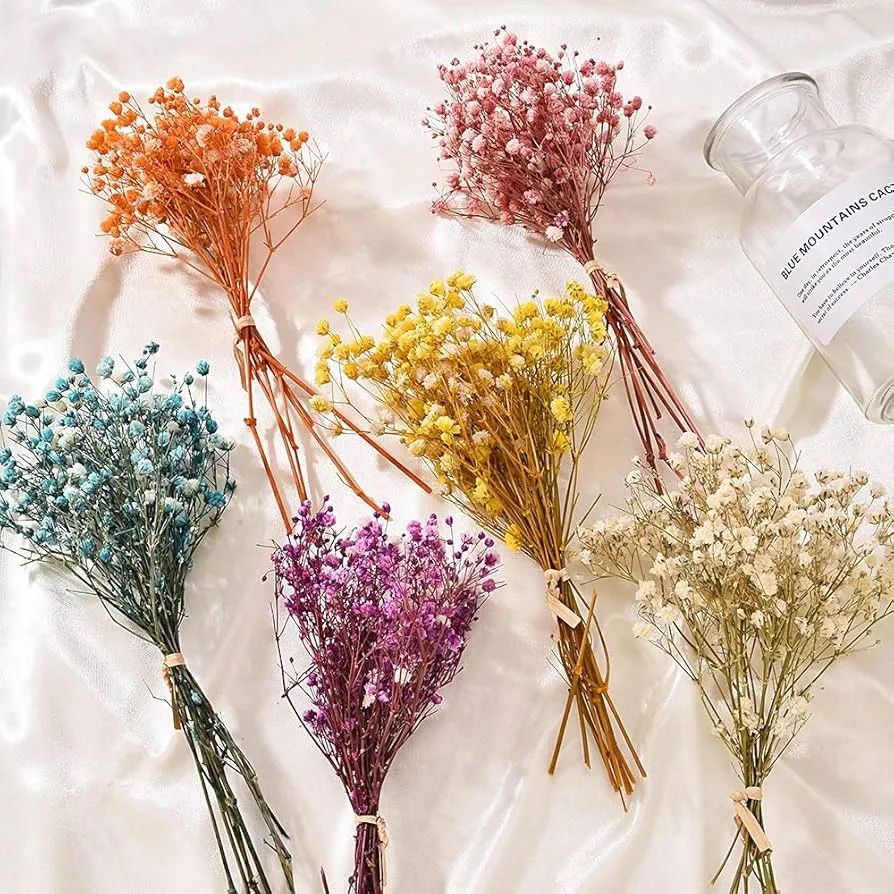
Collecting dried flowers is a creative and educational hobby for children. Flowers come in many shapes, sizes, and colors, and drying them preserves their beauty for a long time. When children collect dried flowers, they learn to appreciate nature, colors, and patterns while exploring different types of plants and flowers.
This hobby also encourages children to observe their surroundings carefully and understand the life cycle of plants,from blooming to drying. Organizing and preserving dried flowers teaches patience, responsibility, and creativity. It is a fun and artistic way for children to connect with nature while building a collection they can enjoy and display.
Five Advantages of Collecting Dried Flowers for Children
Children learn about different flowers, their shapes, colors, and names, increasing their understanding of plants and nature.
Noticing details like petals, patterns, and textures helps children develop attention to detail and curiosity.
Dried flowers can be used for art projects, scrapbooks, or decorations, inspiring children’s imagination and artistic abilities.
Collecting, drying, and preserving flowers teaches children to care for their collection and stay organized.
Children learn to respect plants and nature, fostering a love for the environment and understanding of sustainability.
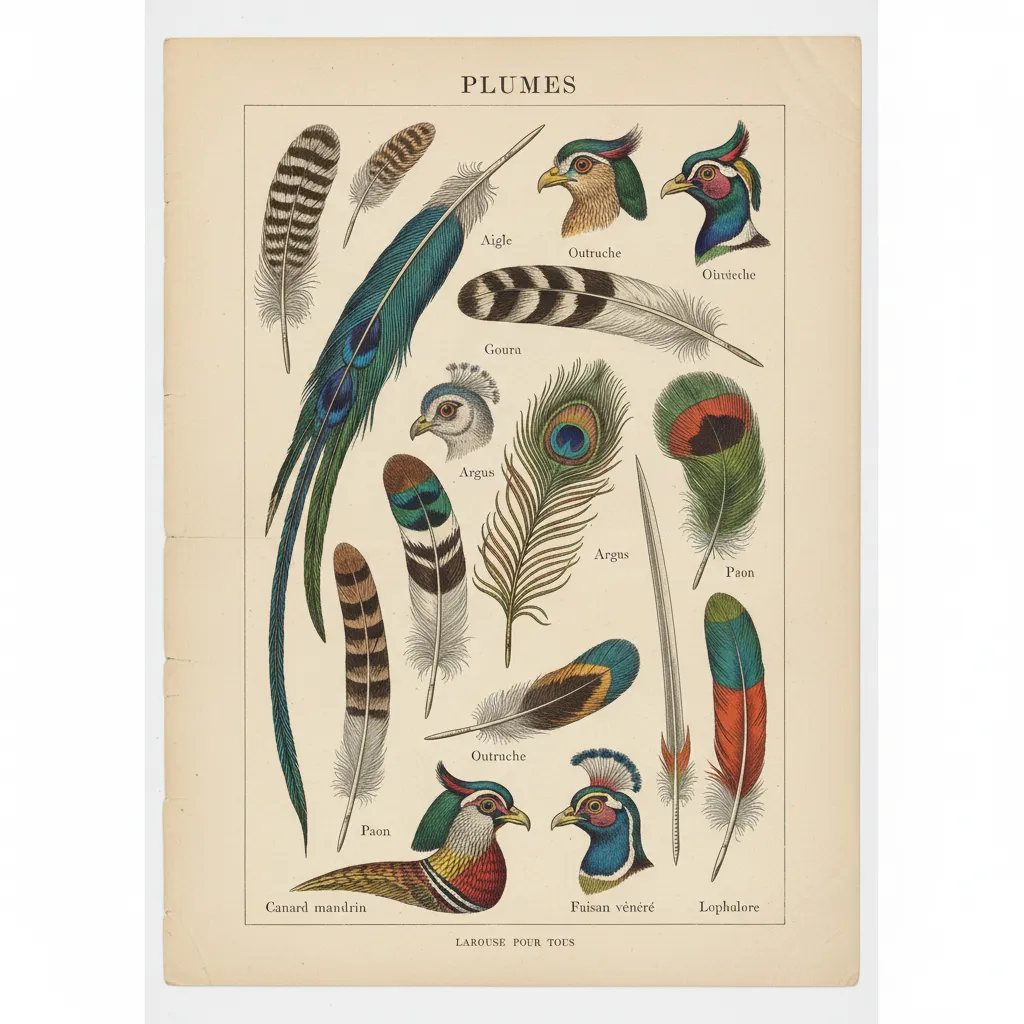
Collecting feathers is an exciting and educational hobby for children. Feathers come in many shapes, sizes, and colors, each with its own beauty and story. When children collect feathers, they learn about birds, their habitats, and the role feathers play in nature. This hobby encourages children to explore outdoors, observe wildlife carefully, and develop an appreciation for living creatures.
Collecting feathers also teaches children to handle objects gently and responsibly. Organizing and displaying feathers develops patience, creativity, and a sense of pride in their collection. It is a fun way for children to connect with nature while learning about the environment.
Five Advantages of Collecting Feathers for Children
Children learn about different bird species, feather types, and their functions, gaining insight into wildlife and ecosystems.
Children notice patterns, colors, and shapes of feathers, improving attention to detail and curiosity.
Feathers can be used in art projects, crafts, or decorations, inspiring children’s imagination and artistic skills.
Collecting, cleaning, and organizing feathers teaches children to be careful, organized, and responsible.
Searching for feathers encourages children to explore gardens, parks, and forests, fostering a love for nature and wildlife.
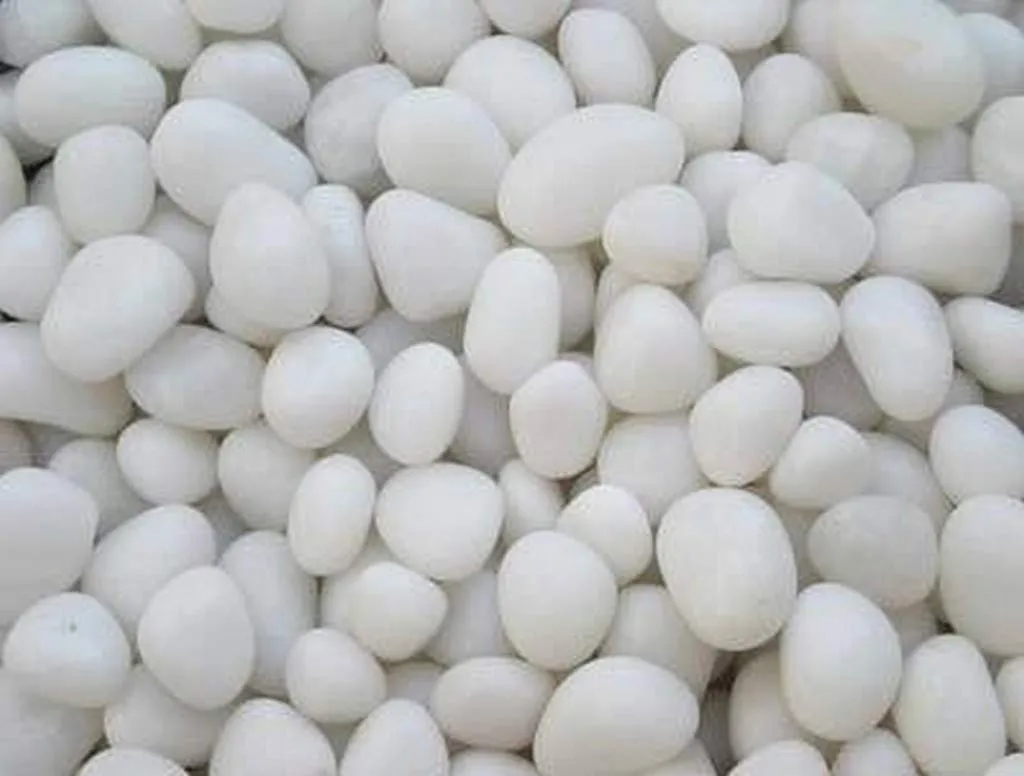
Collecting pebbles or stones is an enjoyable and educational hobby for children. Pebbles come in different shapes, sizes, colors, and textures, making each one special. When children collect pebbles, they learn to observe nature closely and appreciate its beauty. This hobby encourages children to explore outdoors, visit rivers, parks, and gardens, and notice the variety of stones around them.
Collecting pebbles also helps children understand natural processes like erosion, river flow, and rock formation. Organizing and storing stones teaches responsibility, patience, and creativity. It is a fun way for children to connect with nature while learning and building a personal collection.
Five Advantages of Collecting Pebbles / Stones for Children
Children learn about different types of stones, their colors, shapes, and how they are formed in nature.
Noticing the texture, size, color, and patterns of stones helps children develop attention to detail.
Pebbles can be used for art projects, painting, or decorations, allowing children to express their creativity.
Collecting, cleaning, and arranging pebbles teaches children how to care for their collection and stay organized.
Children are encouraged to explore riversides, gardens, and parks, fostering curiosity and a love for nature.
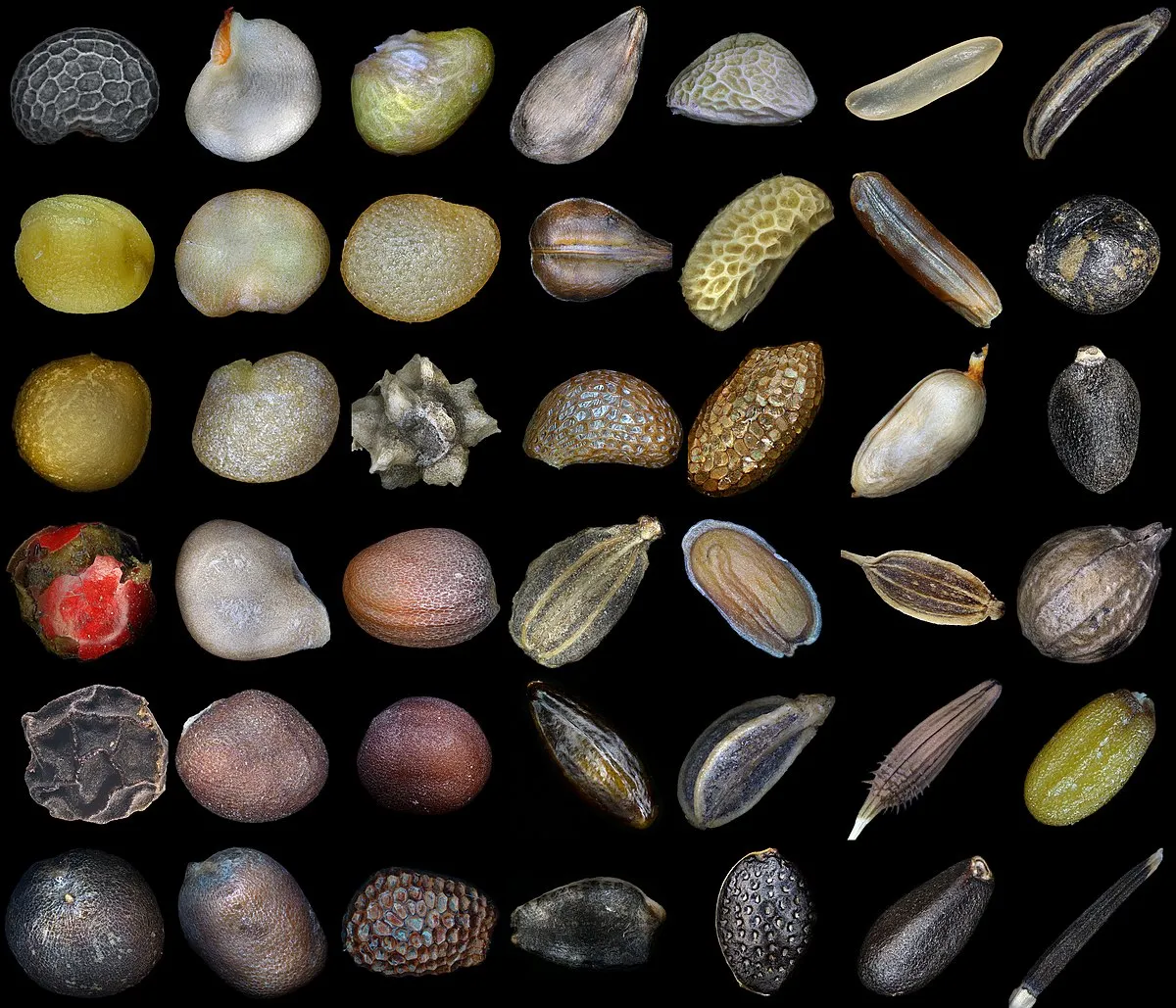
Collecting seeds from different plants is a fun and educational hobby for children. Seeds come in many shapes, sizes, colors, and textures, making each one unique. When children collect seeds, they learn about the diversity of plants and how new life grows from tiny seeds. This hobby connects children with nature and encourages curiosity about trees, flowers, fruits, and vegetables.
By collecting seeds, children also learn about the life cycle of plants and the importance of caring for the environment. Organizing and preserving seeds teaches responsibility and patience. It is a creative way to explore science while having fun and building a collection that tells the story of nature.
Five Advantages of Collecting Seeds for Children
Children learn about different types of plants, trees, and flowers, and how seeds grow into new plants.
Children notice differences in size, shape, color, and texture of seeds, improving their attention to detail.
Collecting seeds inspires children to ask questions about plant growth, seasons, and natural habitats, developing early science skills.
Collecting, labeling, and storing seeds carefully teaches children to be organized and responsible.
Children learn the importance of plants in nature and develop respect for the environment and sustainability.
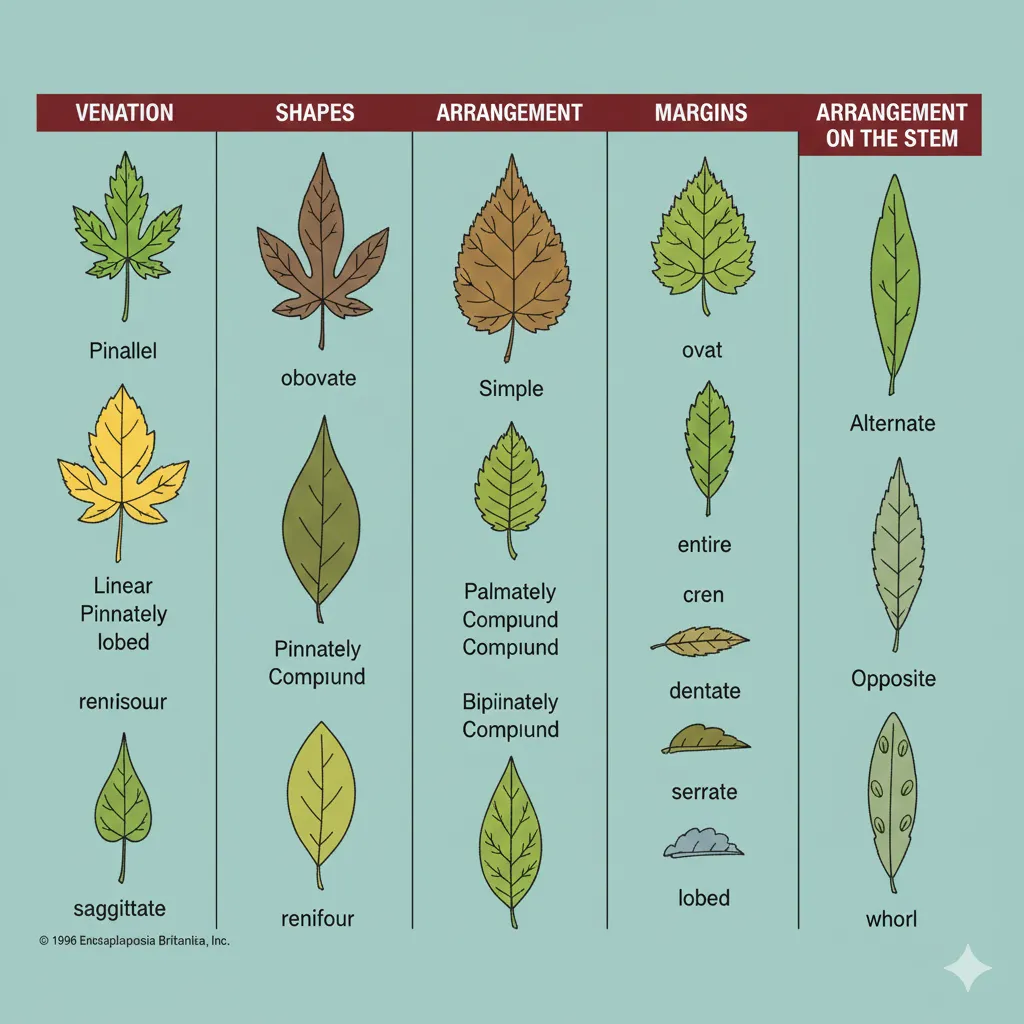
Collecting leaves is a simple yet fascinating hobby for children. Leaves come in many shapes, sizes, colors, and textures, making each one unique. When children collect leaves, they observe nature closely and learn to appreciate its beauty and diversity. This hobby connects children with the outdoors and encourages them to explore trees, plants, and gardens.
Collecting leaves also helps children understand the changes in seasons, the variety of plant species, and the natural environment around them. As they organize and preserve their leaf collection, children develop responsibility, patience, and pride in their work. It is a creative and educational hobby that makes learning about nature fun and engaging.
Five Advantages of Collecting Leaves for Children
Children learn about different trees, plants, and the unique characteristics of leaves, helping them understand the natural world.
Noticing the color, shape, size, and texture of leaves improves children’s attention to detail and curiosity.
Leaves can be used for art projects, scrapbooks, or patterns, allowing children to express their imagination and artistic skills.
Collecting, pressing, and preserving leaves teaches children to care for their collection carefully and stay organized.
Children who collect leaves become more aware of the importance of trees, plants, and protecting nature, fostering respect for the environment.