
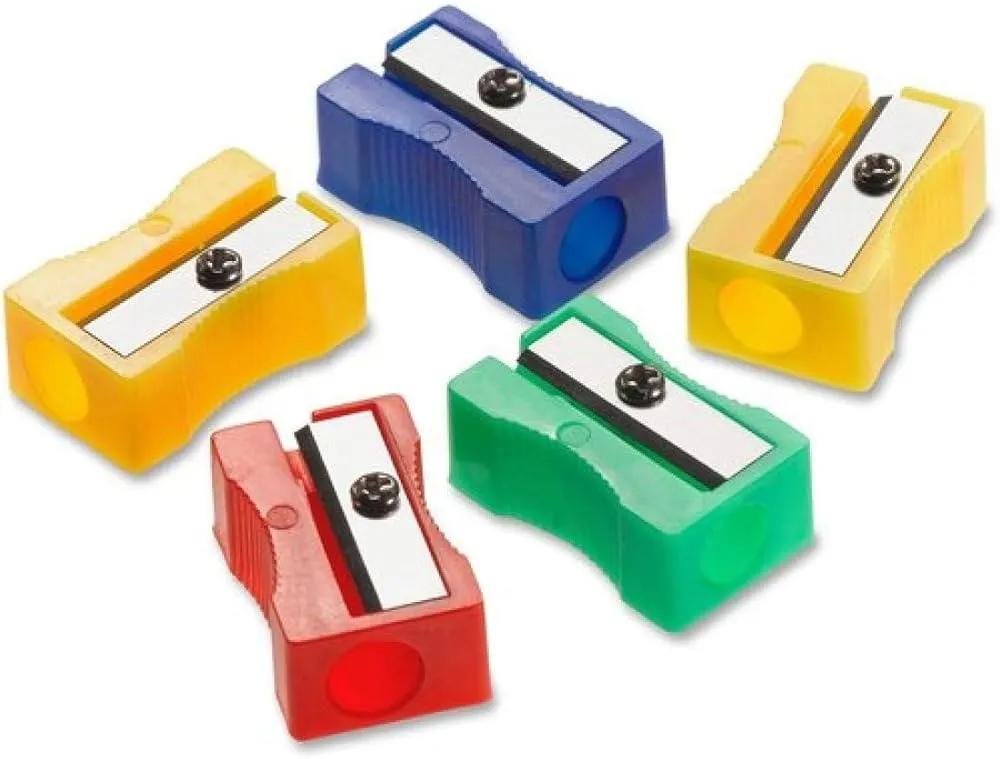
Collecting pencil sharpeners helps children discover creativity and design through an everyday school item. Sharpeners come in many forms,animals, vehicles, cartoon characters, geometric shapes, or miniature objects,which makes collecting them exciting and visually appealing. As children explore different types, they begin to notice how shapes, colours, and mechanisms work, turning a simple tool into a fun learning experience. This hobby also brings joy to their study time, as unique sharpeners make writing and drawing more enjoyable.
Beyond the fun, collecting pencil sharpeners teaches children responsibility, observation, and organising skills. They learn how to store and care for their growing collection, compare different sharpening styles, and explore how things are made. Children often share or exchange sharpeners with friends, which improves communication and builds friendships. Over time, this hobby encourages patience, attention to small details, and a sense of pride in collecting something meaningful.
Five Advantages for Children Collecting Pencil Sharpeners
Different shapes and designs inspire children to think creatively and explore how items are made.
Sorting, storing, and arranging sharpeners helps kids learn to be neat and responsible.
Children notice patterns, colours, materials, and mechanisms, improving attention to detail.
Sharing or trading sharpeners with friends builds communication and teamwork.
Unique and colourful sharpeners increase children's interest in writing, drawing, and school activities.
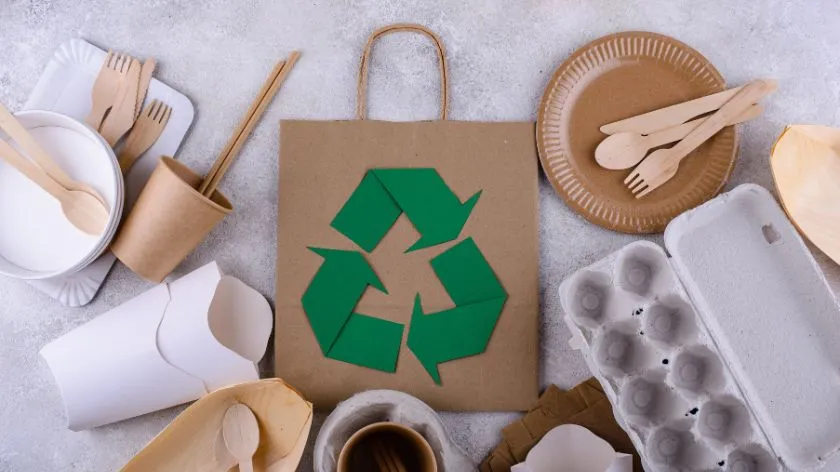
Collecting different types of recyclable materials allows children to learn about the environment in a practical and engaging way. As they gather items like plastic shapes, various paper types, or eco-friendly materials, children become more aware of how everyday objects can be reused instead of thrown away. This hands-on experience helps them understand the value of reducing waste, protecting nature, and caring for their surroundings. It also strengthens their observational skills as they identify differences in texture, color, and material type.
In addition, this practice encourages responsibility and creativity. Children discover how recycled materials can be transformed into new crafts, learning tools, or imaginative projects. They also develop a sense of ownership and pride in helping the environment, even through small actions. By collecting and using recyclable materials, children build eco-friendly habits early on, teaching them that sustainability is not only important but also fun and meaningful.
Five Advantages of Collecting Recycling Materials (for Children)
Children learn the importance of recycling, reducing waste, and protecting the planet through hands-on activities.
Recyclable items can be used to make crafts, art projects, or new inventions, encouraging creative thinking.
Children practice grouping materials by type, color, texture, or purpose, strengthening early cognitive and organizational skills.
Collecting recyclable items teaches children to take care of the environment and make thoughtful choices.
Handling different materials,cutting paper, shaping plastic, or assembling parts,helps develop coordination and hand skills.
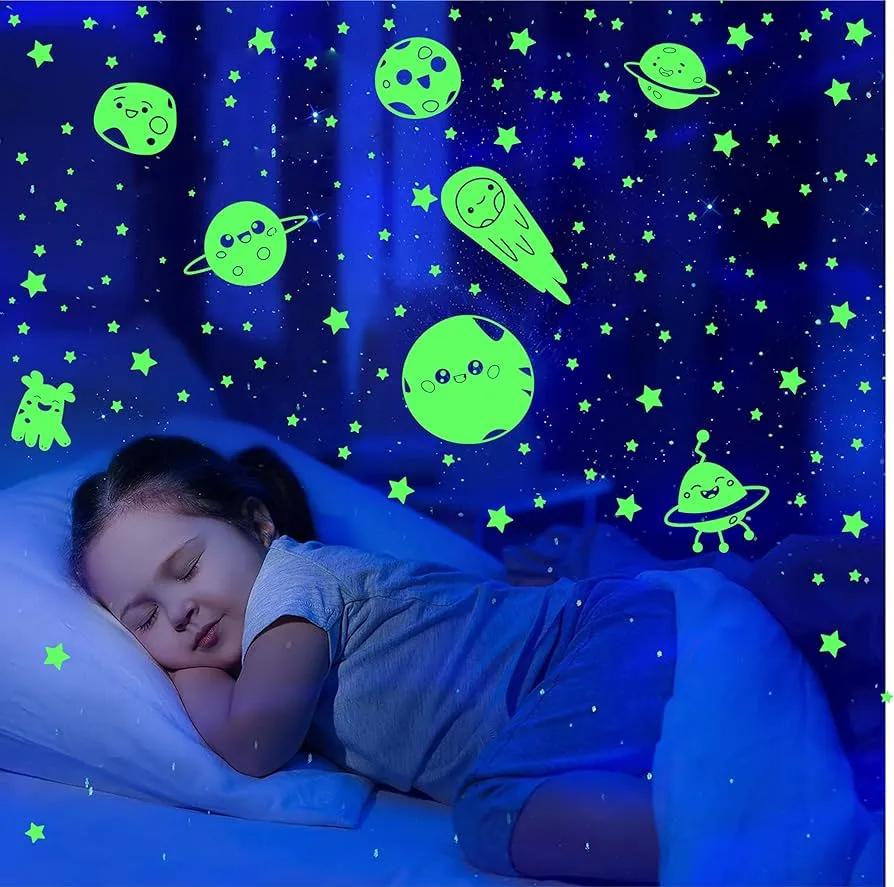
Collecting glow-in-the-dark stickers helps children explore creativity, imagination, and visual effects in a fun and interactive way. These stickers come in various shapes, colours, and themes, such as stars, planets, animals, superheroes, or fantasy characters. When children collect and place them on walls, notebooks, or crafts, they experience a magical glow at night, which makes the activity exciting and memorable. This hobby also encourages children to notice details, patterns, and designs, enhancing observation and aesthetic appreciation.
In addition, collecting glow-in-the-dark stickers teaches organisation, patience, and responsibility. Children can sort them by theme, colour, or size, developing systematic thinking skills. Many children also enjoy creating their own imaginative designs or bedroom displays, which boosts creativity and artistic expression. Over time, collecting glow-in-the-dark stickers helps children take pride in a personal collection, fosters imaginative thinking, and provides an enjoyable way to learn about colours, shapes, and design.
Five Advantages for Children Collecting Glow-in-the-Dark Stickers
Children can use stickers to create fun designs, stories, or themed displays.
Kids notice details in shapes, colours, and glow effects of each sticker.
Sorting and arranging stickers by theme, size, or colour teaches responsibility and systematic thinking.
Stickers can be used in crafts, decorations, and creative projects.
The glow effect makes collecting interactive and exciting, keeping children engaged in a positive hobby.
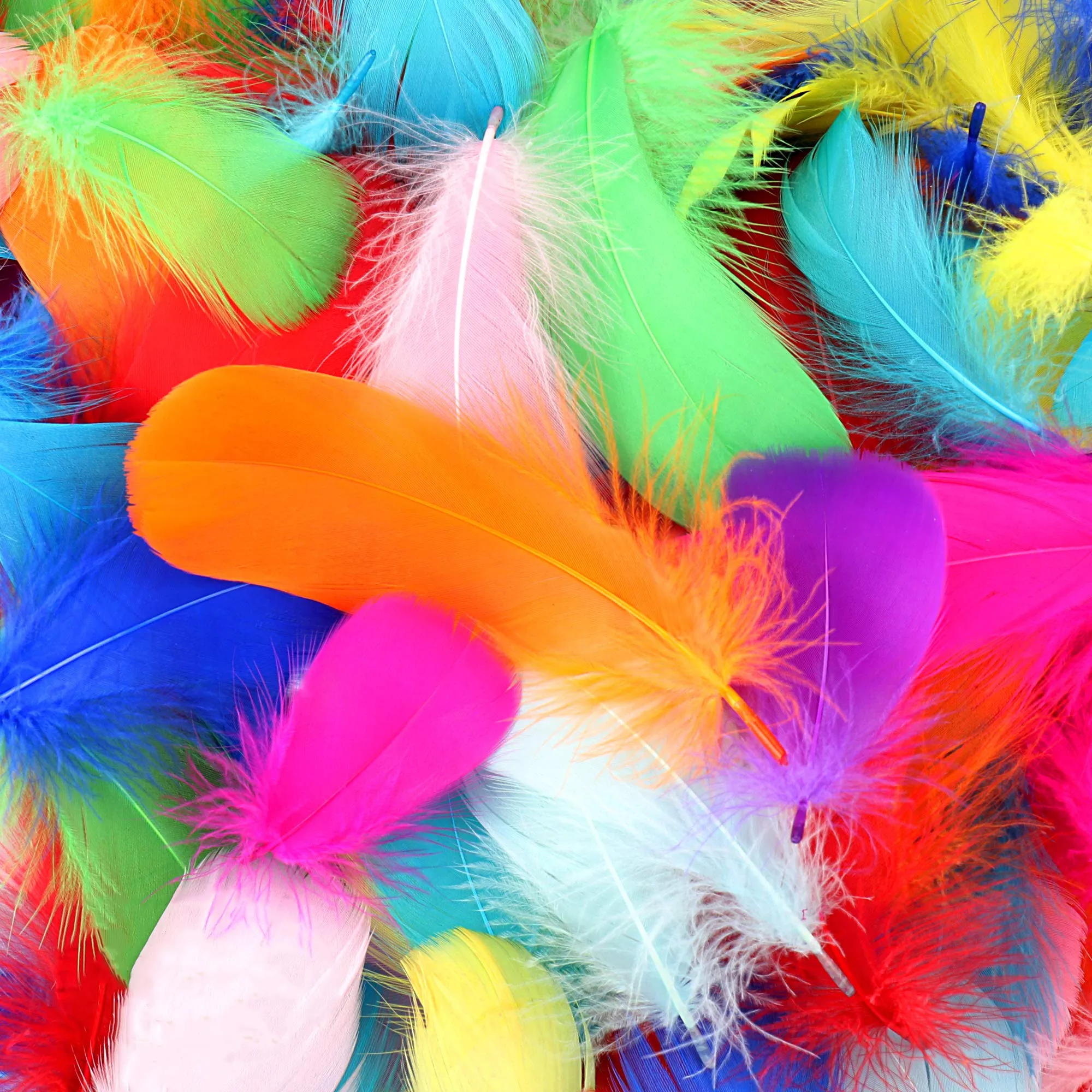
Collecting craft feathers helps children explore colours, textures, and creativity through a natural and artistic material. Feathers come in various sizes, shapes, and colours, making each one unique and exciting to examine. By collecting them, children learn to notice small details like patterns, gradients, and softness, which enhances observation skills and appreciation for nature. This hobby also introduces children to art and craft projects, allowing them to use feathers in decorations, collages, or imaginative creations.
This hobby also encourages organisation, patience, and careful handling. Children can sort feathers by colour, size, or type, helping develop systematic thinking and attention to detail. Many children enjoy creating projects or displays using their feathers, which strengthens fine motor skills and artistic expression. Over time, collecting craft feathers fosters creativity, responsibility, and pride in building a meaningful collection that combines natural beauty with imaginative play.
Five Advantages for Children Collecting Craft Feathers
Children can use feathers in crafts, decorations, and imaginative art projects.
Kids notice details in size, shape, colour, and texture of each feather.
Sorting feathers by type, colour, or size encourages systematic thinking.
Handling and arranging feathers for projects strengthens hand coordination.
Collecting feathers teaches children to value natural beauty and the environment.
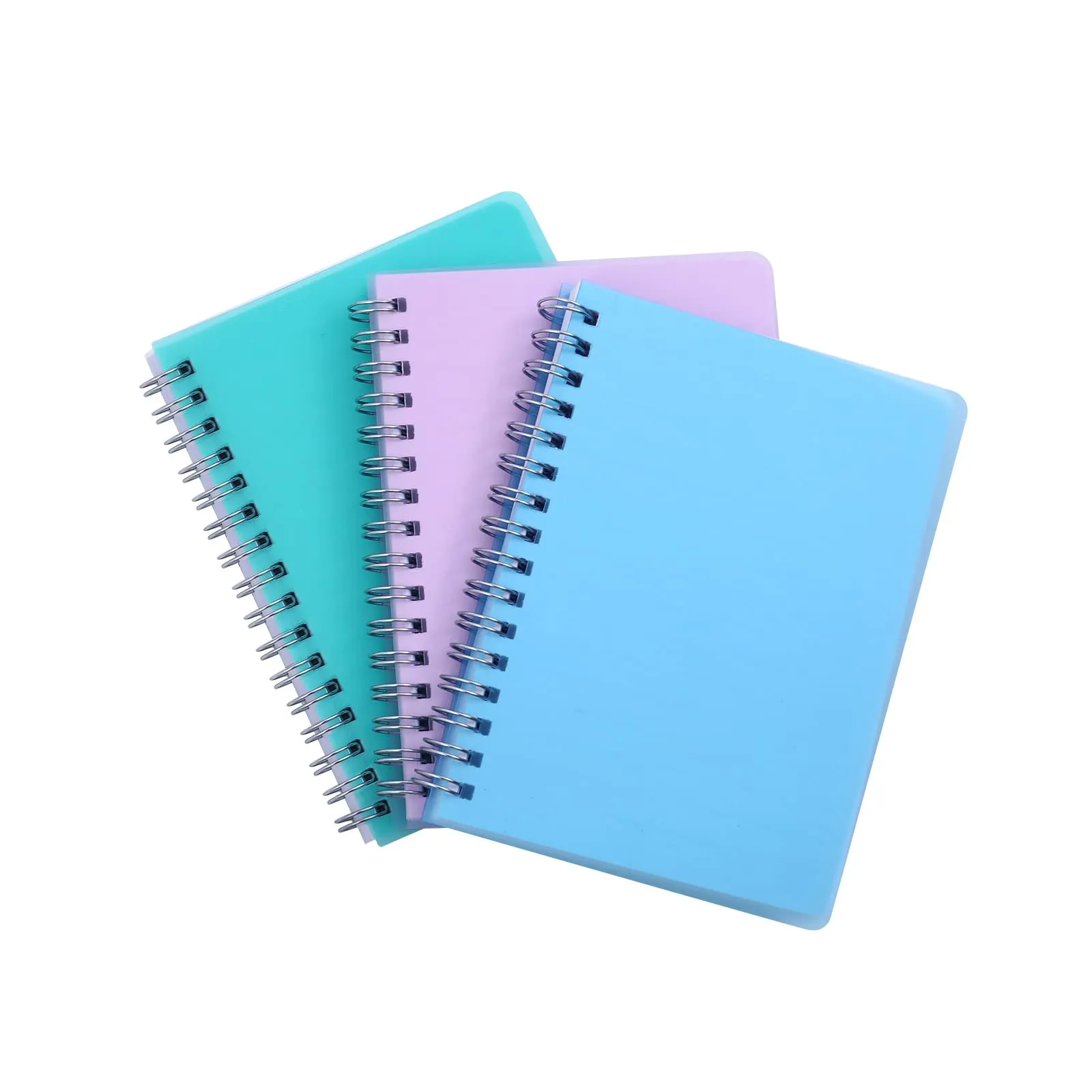
Collecting mini notebooks helps children explore creativity, design, and self-expression in a fun and personal way. Mini notebooks come in different colours, patterns, sizes, and themes, making each one unique and interesting. By collecting them, children begin to notice design details such as covers, illustrations, and page layouts, which enhances observation skills. This hobby also encourages children to value writing, drawing, and documenting their thoughts, turning a simple stationery item into a meaningful and enjoyable collectible.
This hobby also teaches responsibility, organisation, and patience. Children can sort notebooks by size, colour, or theme, learning how to organise items systematically. Many children enjoy using their mini notebooks for doodling, jotting down ideas, or creating small journals, which strengthens creativity and writing skills. Over time, collecting mini notebooks helps children develop pride in their collection, appreciate design and craftsmanship, and stay engaged in a constructive and imaginative hobby.
Five Advantages for Children Collecting Mini Notebooks
Children can use notebooks for drawing, journaling, or storytelling.
Kids notice cover designs, patterns, page types, and sizes.
Sorting notebooks by theme, colour, or size teaches systematic thinking.
Caring for their notebooks helps children handle items carefully and take pride in their collection.
Mini notebooks allow children to record ideas, thoughts, or sketches, fostering imagination and reflection.
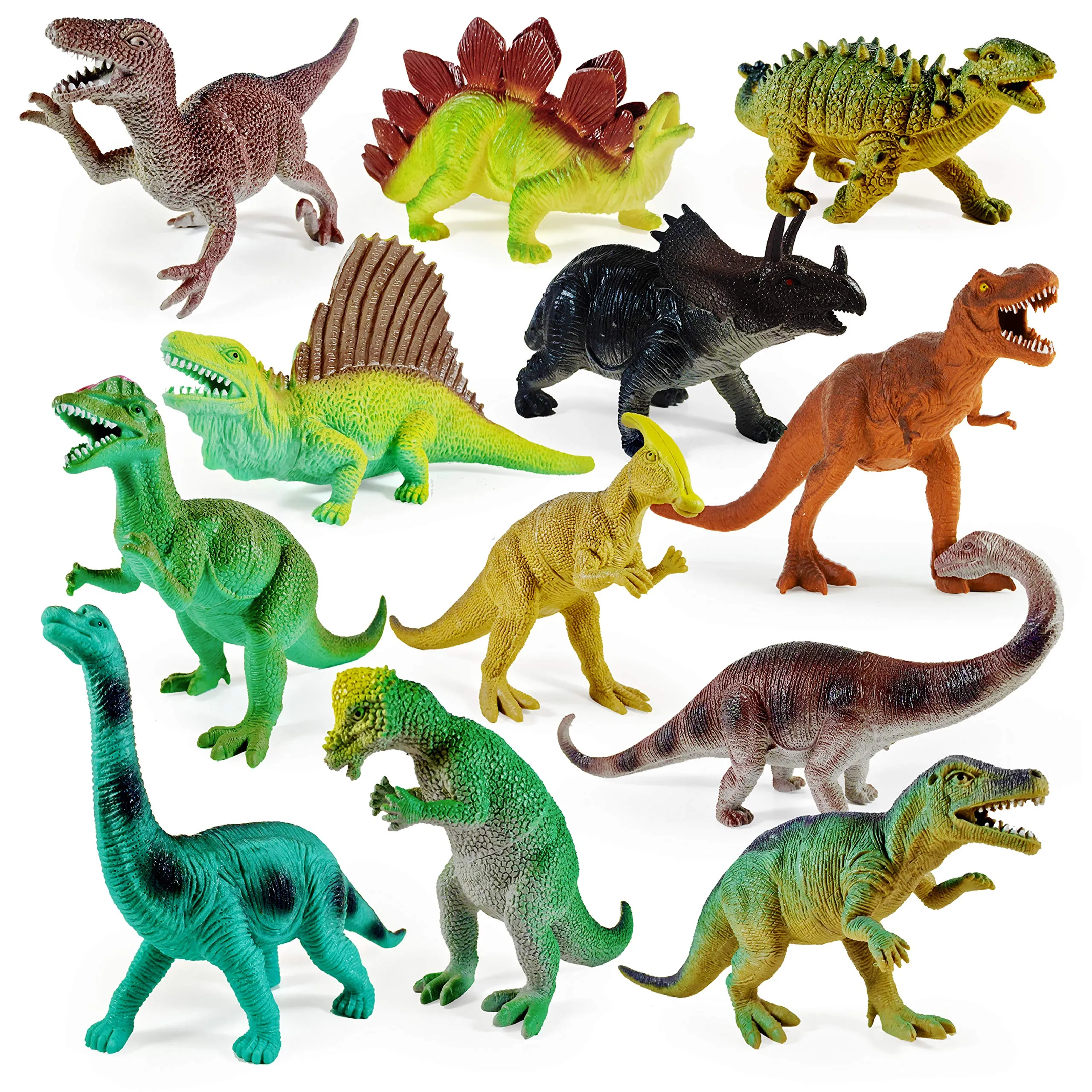
Collecting dinosaur figurines helps children explore the fascinating world of prehistoric creatures in a fun and educational way. Each figurine represents a different species, size, or era, allowing children to learn about dinosaurs’ shapes, sizes, and unique features. By observing and comparing figurines, children develop curiosity about science, history, and the natural world. This hands-on learning makes paleontology and ancient life exciting, turning a hobby into an opportunity to discover how dinosaurs lived and evolved millions of years ago.
This hobby also encourages responsibility, organisation, and creativity. Children can sort figurines by species, size, or time period, which helps develop systematic thinking. Many children enjoy using the figurines to create miniature worlds, play imaginative games, or set up educational displays, which strengthens creativity and fine motor skills. Over time, collecting dinosaur figurines fosters patience, attention to detail, and a sense of pride in building a meaningful collection that combines learning and fun.
Five Advantages for Children Collecting Dinosaur Figurines
Children learn about different species, eras, and dinosaur characteristics.
Figurines inspire storytelling, role-play, and building miniature worlds.
Kids notice shapes, textures, colours, and physical details of each figurine.
Arranging figurines by species, size, or era teaches systematic thinking.
Caring for a growing collection encourages careful handling and pride in ownership.
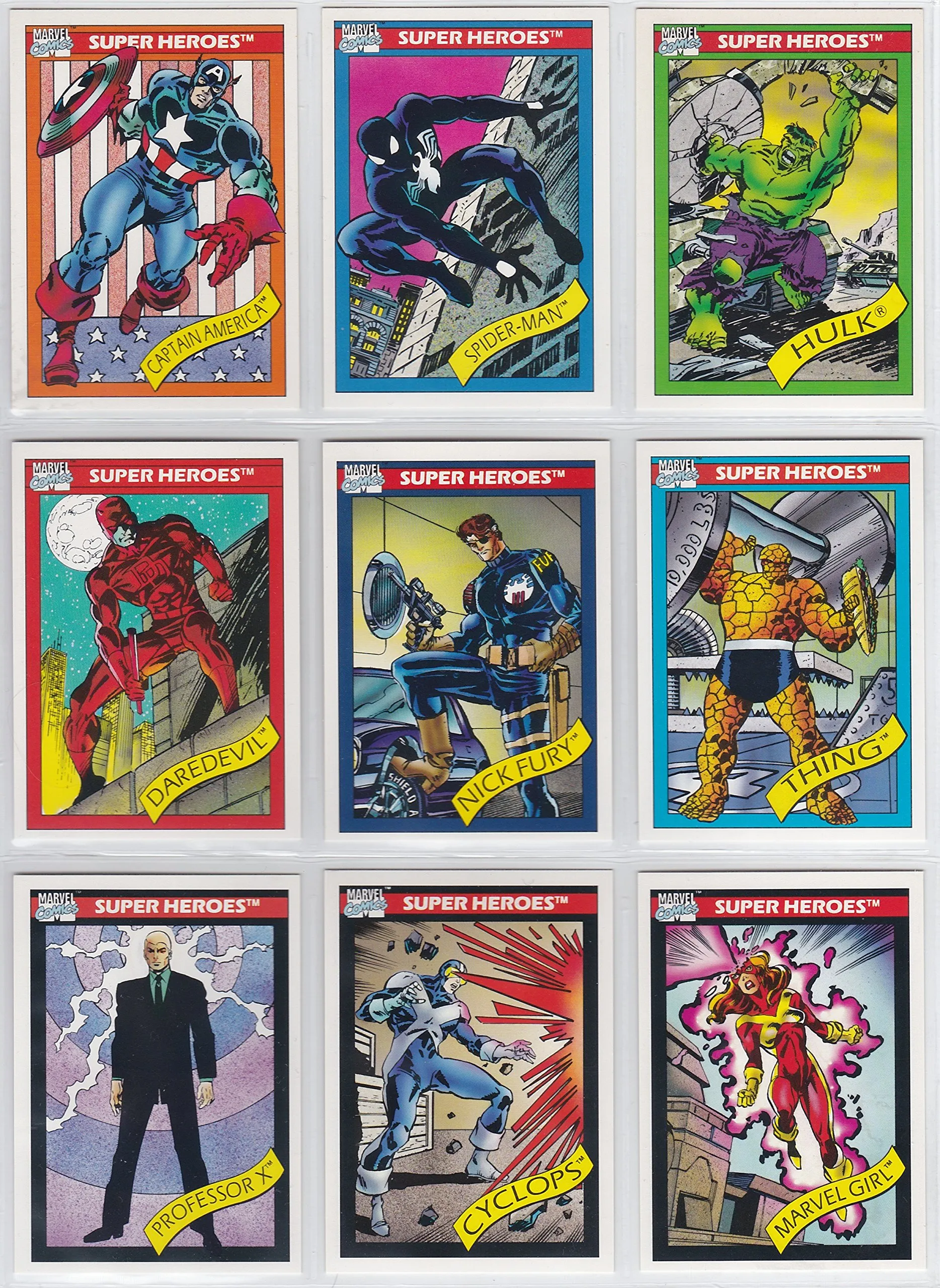
Collecting superhero cards helps children explore imagination, stories, and creativity through characters they admire. Each card features a superhero with unique powers, designs, and abilities, allowing children to learn about different characters and their stories. By collecting and studying the cards, children develop observation skills as they notice details like costumes, logos, powers, and backgrounds. This hobby makes learning about heroes exciting while encouraging children to connect with positive values such as bravery, teamwork, and problem-solving.
In addition, collecting superhero cards teaches organisation, patience, and responsibility. Children often sort their cards by character, series, or special editions, which strengthens systematic thinking and attention to detail. Many children also enjoy trading cards with friends, which improves social skills and communication. Over time, this hobby encourages creativity, strategic thinking, and pride in maintaining a growing collection of items that reflect their interests and favorite superhero stories.
Five Advantages for Children Collecting Superhero Cards
Children notice details in costumes, powers, and backgrounds of superhero cards.
Kids can create their own superhero adventures using the cards.
Arranging cards by character, series, or rarity teaches systematic thinking.
Trading cards with friends builds communication, negotiation, and teamwork skills.
Caring for and maintaining a card collection teaches responsibility and gives children a sense of achievement.
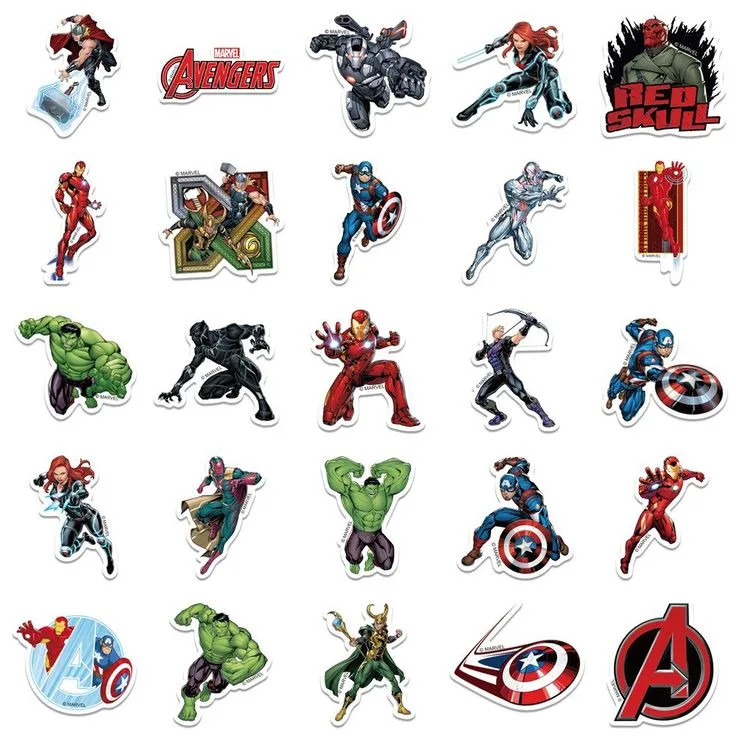
Collecting character stickers helps children connect with their favourite stories, movies, and superheroes in a fun and creative way. Stickers featuring Disney princesses, Marvel superheroes, or animated characters allow children to visually engage with characters they love. By collecting these stickers, children learn to notice colours, designs, and details, which strengthens observation skills. This hobby also makes storytelling and imaginative play more exciting, as children can use the stickers to create scenes, decorate notebooks, or express their interests.
In addition, collecting character stickers teaches children organisation, patience, and creativity. Children often arrange stickers by theme, character, or series, which helps develop systematic thinking. Using stickers in craft projects, scrapbooks, or artwork fosters artistic expression and imaginative skills. Over time, this collection encourages children to take pride in their hobbies, appreciate creativity, and enjoy a personal collection that reflects their favourite characters and stories.
Five Advantages for Children Collecting Character Stickers (Disney, Marvel)
Children can use stickers in crafts, scrapbooks, and storytelling activities.
Kids learn to notice small details in design, colours, and character expressions.
Sorting stickers by series, character, or theme teaches responsibility and systematic thinking.
Collecting stickers of favourite characters allows children to express personal interests and emotions.
Having a unique collection makes children feel proud and keeps them engaged in a positive hobby.

Collecting mini flags helps children learn about different countries, cultures, and symbols in a fun and visual way. Each flag represents a nation, a state, or an organization, showing its unique colours, patterns, and emblems. By collecting and observing these flags, children become curious about geography, history, and cultural traditions. This makes learning about the world engaging, as they can connect the symbols on the flag with the people, stories, and heritage it represents.
This hobby also encourages children to develop responsibility, organisation, and creativity. Children can sort flags by continent, country, or theme, building patience and systematic thinking. Some children enjoy using flags in craft projects, displays, or learning games, which enhances imagination and hands-on skills. Over time, collecting mini flags helps children appreciate diversity, understand global cultures, and feel proud of building a collection that grows with their knowledge of the world.
Five Advantages for Children Collecting Mini Flags
Children learn about countries, states, and international symbols through flags.
Kids become interested in the history, culture, and geography behind each flag.
Arranging flags by continent, colour, or theme teaches systematic thinking.
Flags can be used in craft projects, maps, or educational displays.
Caring for a collection teaches responsibility and gives children a sense of achievement.
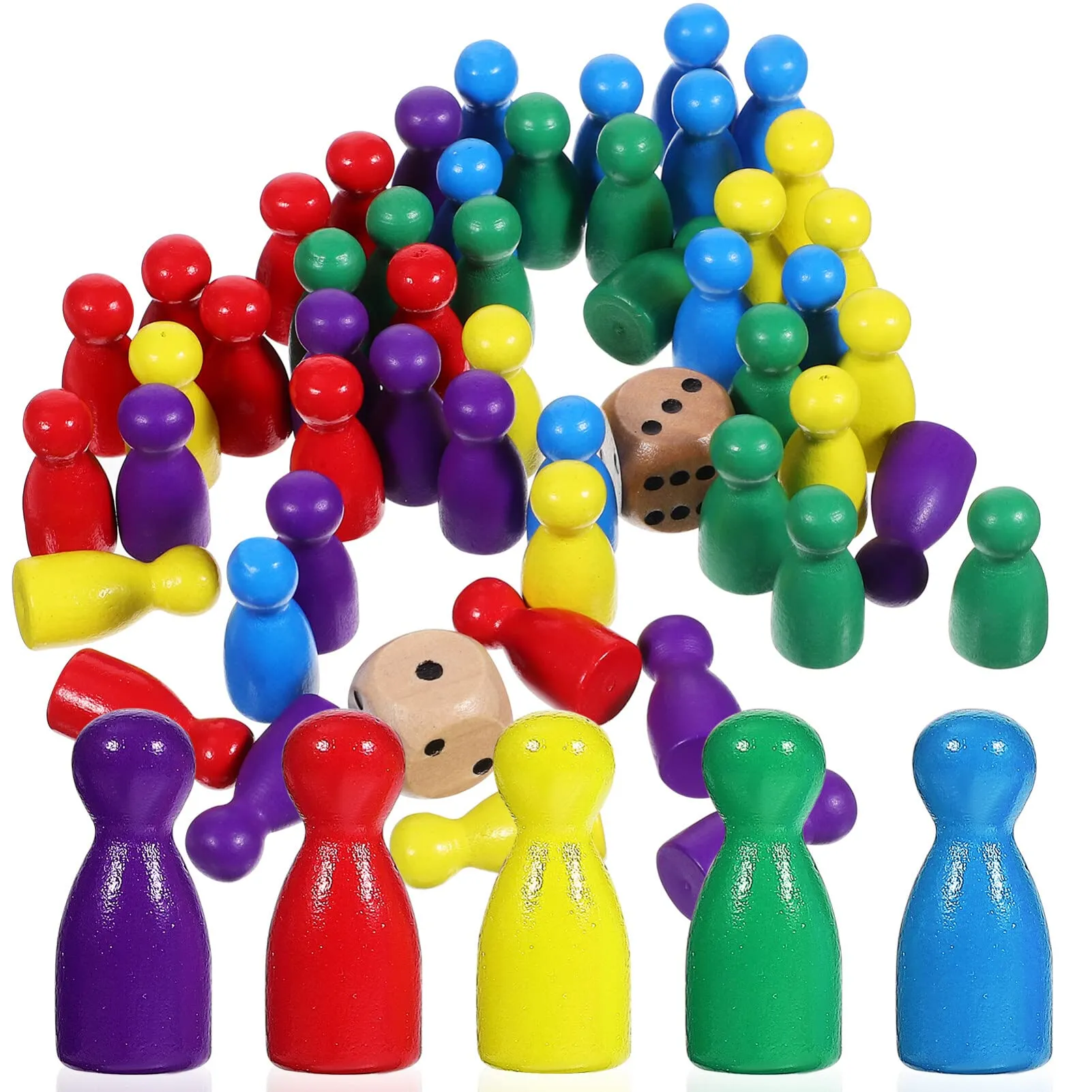
Collecting board game pieces helps children explore creativity, strategy, and imagination through play. Pieces from different games,such as tokens, dice, pawns, cards, or miniature figures,come in various shapes, colours, and designs. When children collect them, they begin to notice details like size, texture, and artwork, which enhances observation and attention to detail. This hobby also helps children connect with the history of games, understanding how different games are played and what skills they develop, turning a simple pastime into a fun learning opportunity.
Collecting board game pieces also teaches organisation, responsibility, and problem-solving skills. Children learn to sort and store pieces carefully, ensuring they don’t get lost or mixed up. Many kids enjoy creating their own games or using pieces for craft projects, which sparks creativity and imagination. Over time, this hobby helps children value teamwork, patience, and careful planning while developing a meaningful collection that reflects their interests and creativity.
Five Advantages for Children Collecting Board Game Pieces
Children notice shapes, colours, textures, and design differences among pieces.
Pieces can be used in crafts, homemade games, or imaginative play scenarios.
Sorting and storing pieces teaches children systematic thinking and responsibility.
Understanding how pieces fit into games or creating new uses encourages logic and planning.
Sharing or trading pieces with friends promotes teamwork, communication, and collaboration.
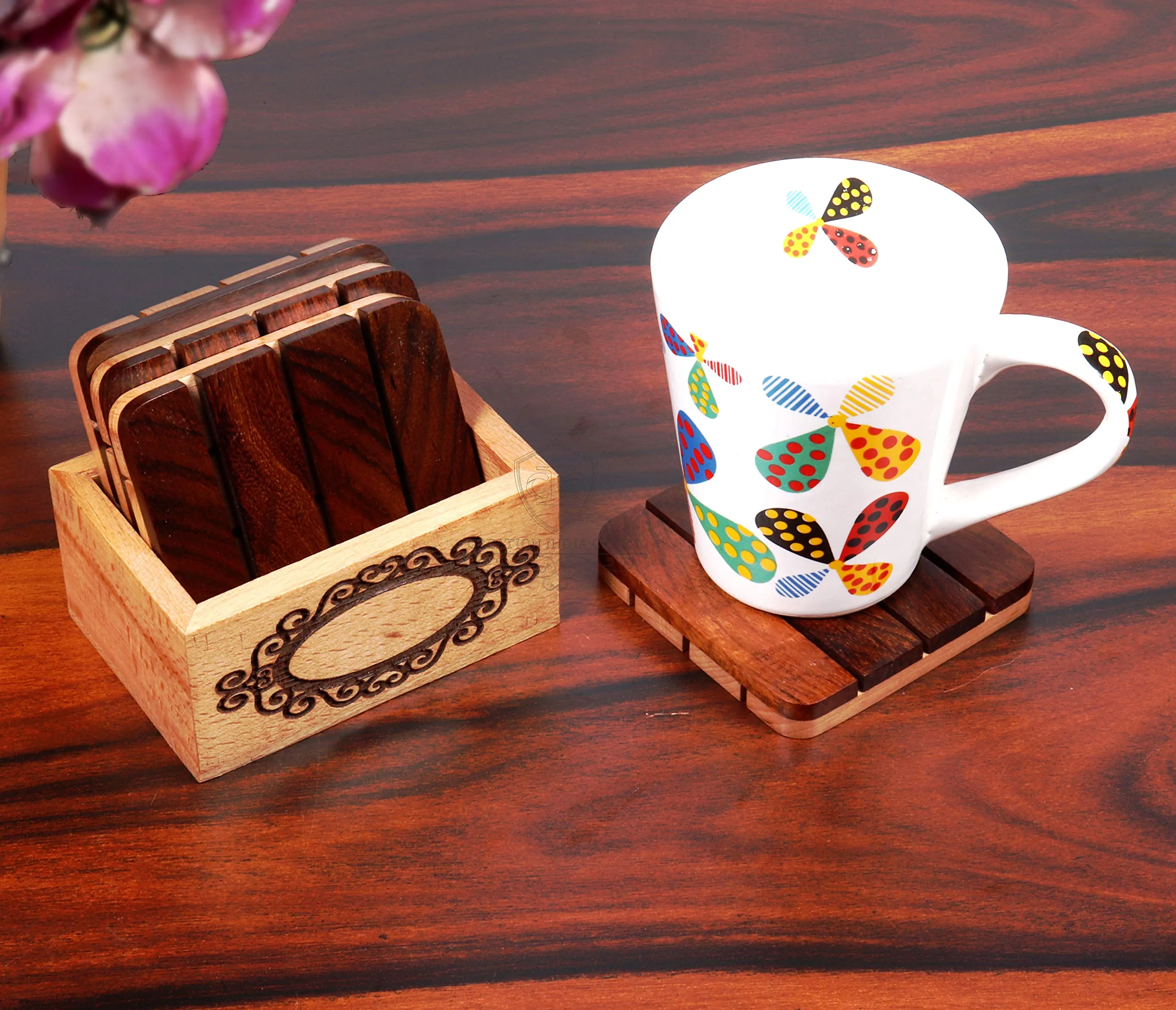
Collecting tea coasters helps children explore art, culture, and design through small everyday objects. Tea coasters often feature colourful patterns, images, or themes representing places, events, or traditions, making each one unique. When children collect them, they begin to notice details like textures, colours, shapes, and designs, which strengthens observation skills. This hobby also introduces them to cultural elements, famous landmarks, and creative artwork, turning a simple household item into an educational and enjoyable collectible.
This hobby encourages organisation, creativity, and responsibility. Children can sort coasters by design, colour, or theme, helping them develop systematic thinking. Some children enjoy using coasters for craft projects or displaying them in albums, which fosters imagination and artistic expression. Over time, collecting tea coasters teaches children to appreciate aesthetics, take care of their belongings, and feel proud of building a meaningful collection that reflects their interests.
Five Advantages for Children Collecting Tea Coasters
Children learn to notice patterns, textures, colours, and design details.
Coasters inspire craft projects, decorations, and imaginative designs.
Arranging coasters by theme or colour teaches children systematic thinking.
Coasters with landmarks, symbols, or art introduce children to different cultures and traditions.
Caring for a collection teaches children to handle items carefully and take pride in their collection.
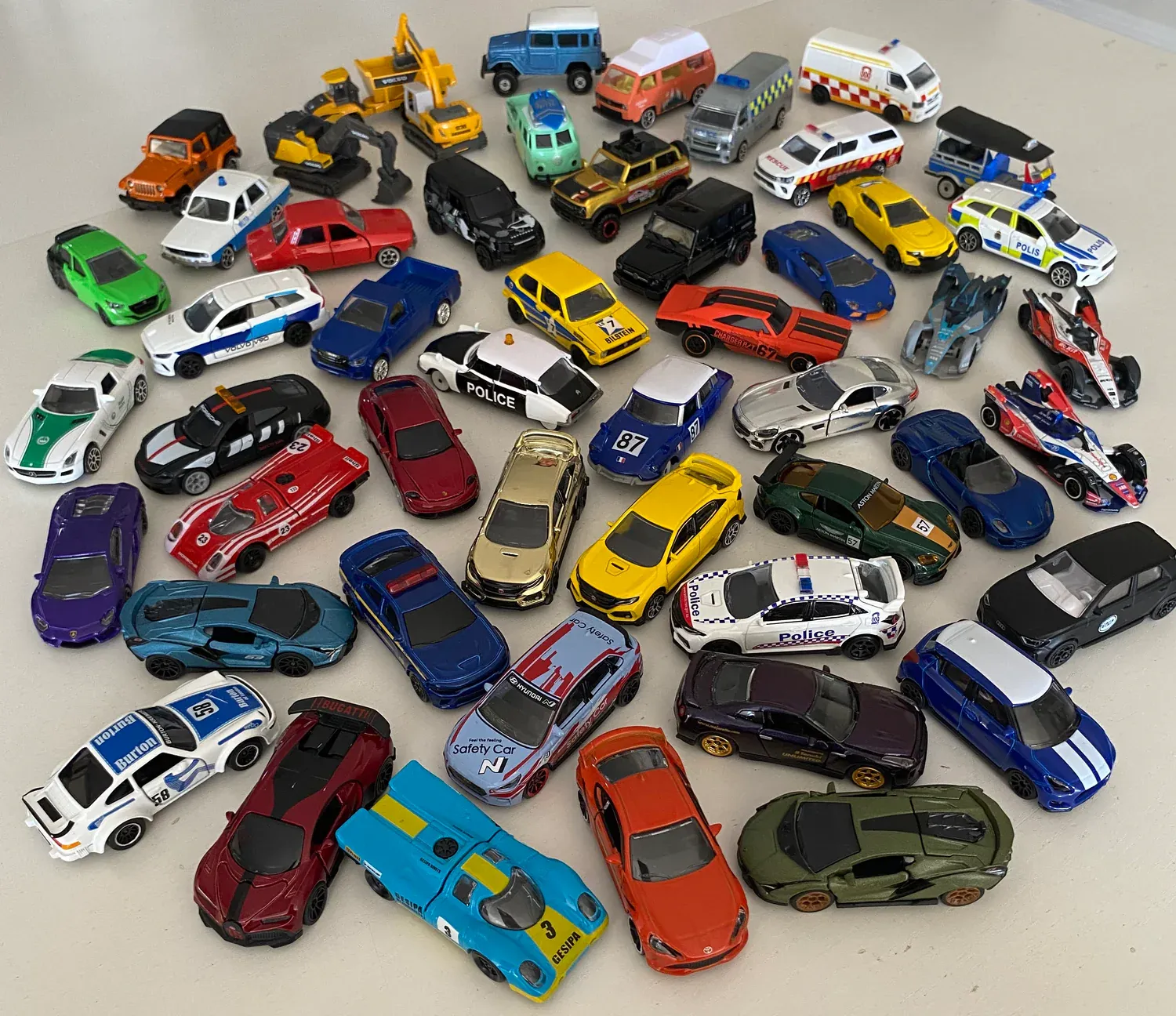
Collecting toy cars helps children explore imagination, design, and movement through a fun and familiar object. Toy cars come in many types,sports cars, vintage models, trucks, buses, race cars, and miniature replicas,allowing kids to learn about different styles and functions of vehicles. As children compare their toy cars, they begin to notice details like shapes, colours, wheels, and features, which strengthens their observation skills. This hobby also makes playtime more meaningful, encouraging storytelling, role play, and creative thinking.
Along with fun, collecting toy cars builds important values and skills. Children learn patience as they expand their collection and take care of their toys by arranging them properly. Organising toy cars by size, brand, or theme helps them develop systematic thinking. Many children enjoy racing or building tracks for their cars, which supports problem-solving and fine motor skills. Over time, collecting toy cars helps children appreciate engineering, creativity, and responsibility while keeping them engaged in an enjoyable activity.
Five Advantages for Children Collecting Toy Cars
Kids create stories, races, and scenarios using their toy cars, enriching imaginative play.
Children notice vehicle shapes, colours, parts, and design differences.
Arranging toy cars by type or size teaches systematic thinking and neatness.
Handling small cars, placing them on tracks, and setting up scenes improves hand coordination.
Caring for a growing collection teaches children responsibility and gives them a sense of achievement.

Collecting mini perfume bottles introduces children to a world of beautiful shapes, colours, and artistic designs. These tiny bottles often come in unique forms,elegant, colourful, vintage-style, or creatively shaped,making each one feel like a small treasure. When children collect them, they begin to observe how bottles differ in style, material, and decoration. This builds their ability to notice detail and appreciate creativity in everyday objects. It also turns a regular household item into an exciting collectible that sparks curiosity and interest.
This hobby also encourages responsibility, creativity, and careful handling. Mini perfume bottles require gentle storage, which teaches children organisation and patience as they arrange them safely. Some children enjoy displaying the bottles or using them as inspiration for artwork and craft ideas. Over time, collecting mini perfume bottles helps kids understand design, develop an appreciation for delicate items, and build a meaningful collection that grows with their imagination.
Five Advantages for Children Collecting Mini Perfume Bottles
Kids learn to notice small differences in shapes, colours, patterns, and materials.
Beautiful bottle designs inspire drawing, craft ideas, and imaginative decoration.
Storing fragile bottles safely teaches children to be careful, tidy, and responsible.
Children understand how everyday objects can be turned into artistic pieces.
Handling and arranging small bottles improves delicate hand coordination.
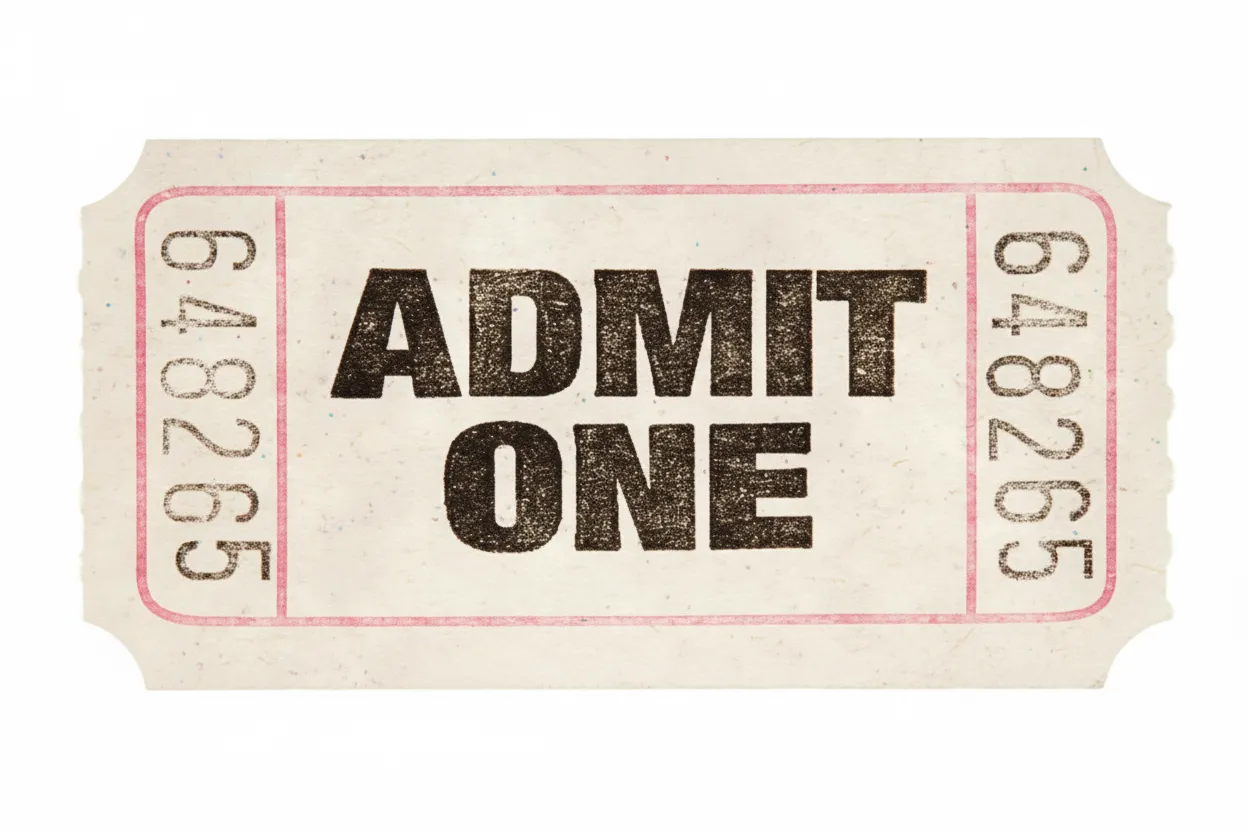
Collecting movie ticket stubs helps children preserve memories of the films they watch and the experiences they share with family and friends. Each ticket stub becomes a tiny reminder of a fun outing,whether it was a favourite animated movie, a superhero adventure, or a first visit to a theatre. By looking back at their collection, children can recall the stories they enjoyed, the moments they laughed, and the special times they spent with loved ones. This makes movie ticket stubs meaningful little souvenirs that carry emotional value and personal history.
This hobby also encourages children to develop organising habits, creativity, and curiosity. They may arrange their stubs by year, movie type, or theatre, learning how to categorise and preserve their collection carefully. Some children enjoy decorating scrapbooks or journals with their tickets, which boosts imagination and artistic expression. Over time, collecting movie ticket stubs teaches children to appreciate memories, value experiences, and take pride in building a collection that grows with them.
Five Advantages for Children Collecting Movie Ticket Stubs
Children can look back at the movies they watched and relive happy moments.
Sorting stubs by year, genre, or theatre teaches kids how to manage and arrange collections neatly.
Kids often use ticket stubs in scrapbooks, journals, or art projects, inspiring creativity.
Having a unique personal collection helps children feel responsible and proud of their growing set.
Collecting stubs reminds children of family outings, celebrations, and special days, building emotional awareness.
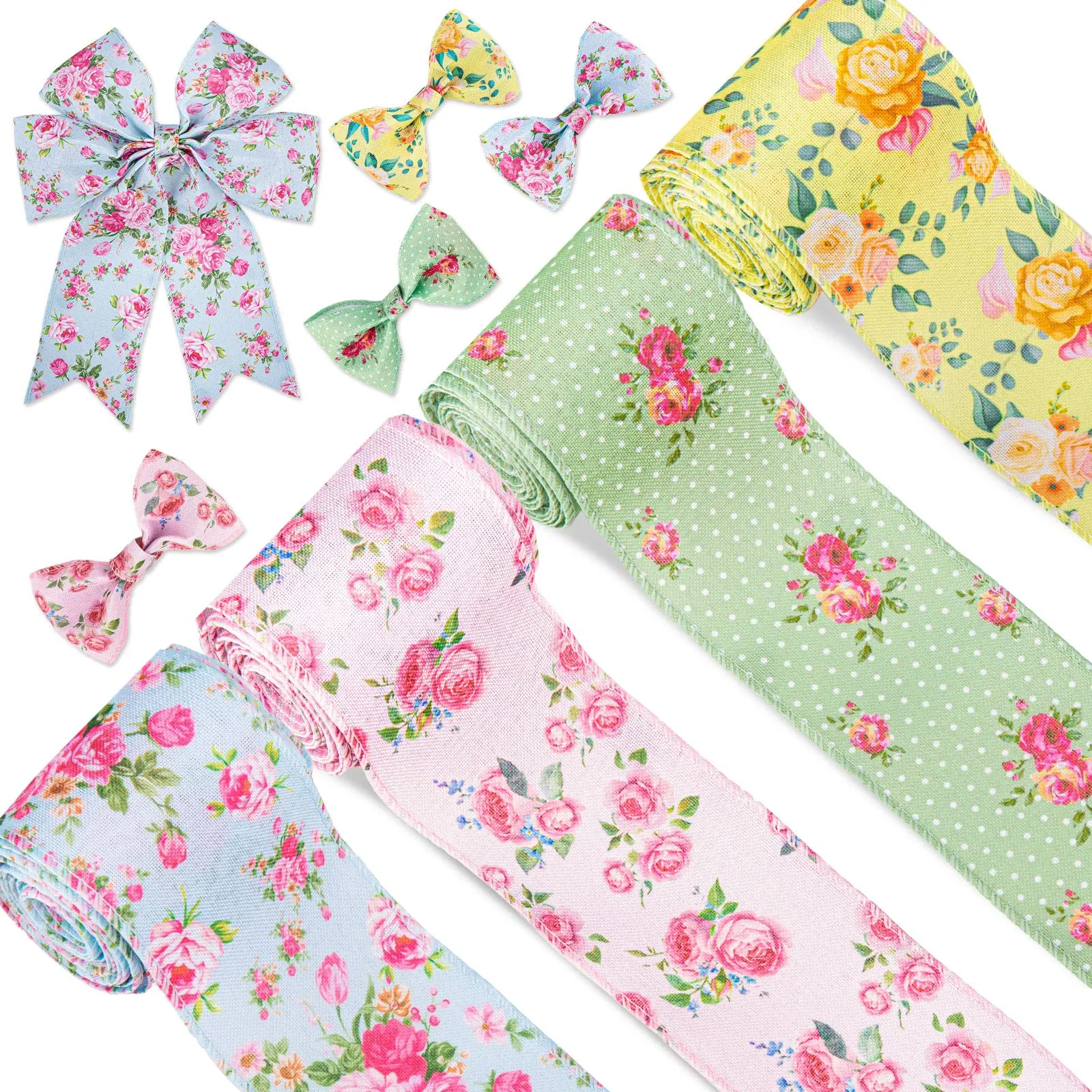
Collecting ribbons of different patterns helps children develop an eye for beauty, colour, and design. Ribbons come in many varieties,striped, dotted, floral, glittery, textured, satin, and themed,making each piece unique and exciting. When children collect these ribbons, they begin to observe subtle differences in patterns, materials, and colours. This hobby strengthens visual creativity and helps kids understand how patterns are used in fashion, crafts, gift wrapping, and decoration. It turns a simple everyday material into a fun and educational collectible.
This hobby also teaches children the value of organisation, patience, and creative exploration. As they gather more ribbons, they learn how to roll, store, and arrange them neatly by pattern, colour, or thickness. Many children enjoy using these ribbons in craft projects, hair accessories, bookmarks, or decorative items, which boosts their imagination and fine motor skills. Over time, collecting patterned ribbons helps children appreciate artistic expression, develop responsibility, and stay engaged in creative learning.
Five Advantages for Children Collecting Ribbons of Different Patterns
Children feel inspired to use ribbons in craft projects, decorations, and imaginative designs.
Kids learn to notice small differences in patterns, colours, textures, and styles.
Arranging ribbons by pattern or colour teaches systematic thinking and responsibility.
Handling, tying, cutting, and crafting with ribbons strengthens hand coordination.
Children learn to reuse ribbons from gifts or old materials, teaching sustainability and mindful collecting.
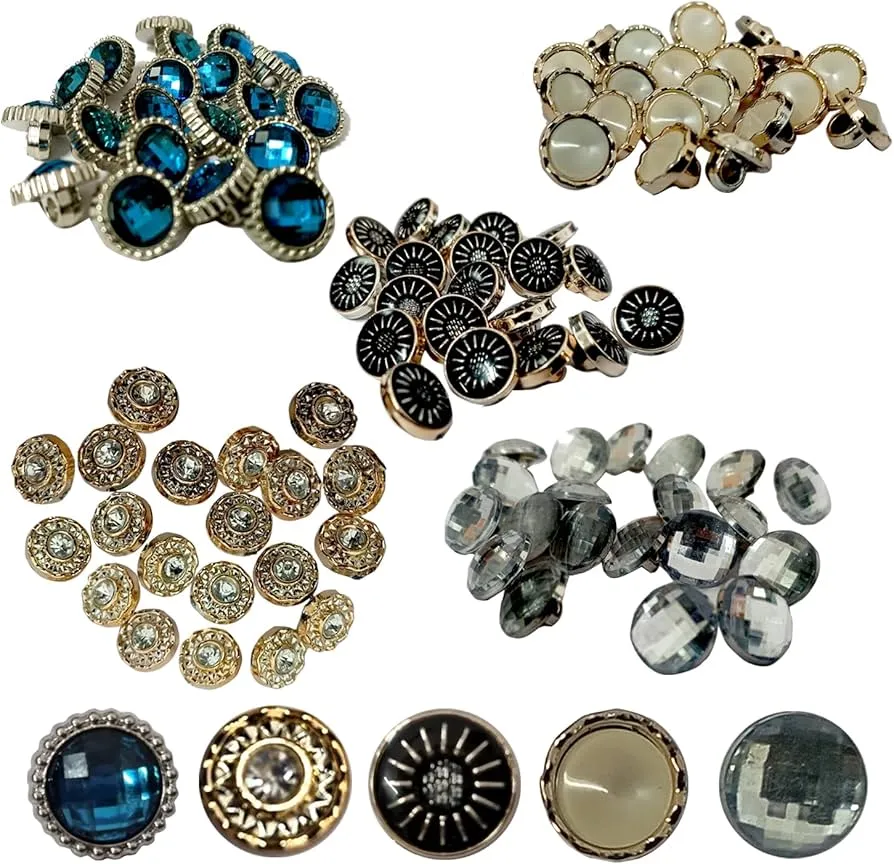
Collecting dress buttons helps children explore colours, shapes, and textures in a simple yet exciting way. Buttons come in many forms,round, square, wooden, metal, colourful, patterned, or themed,which makes each one feel unique. When children collect buttons, they begin to notice how small design elements can make clothing look different and special. This builds their observation skills and helps them appreciate creativity and craftsmanship in everyday objects. It also turns a tiny household item into a fun treasure, making learning hands-on and joyful.
This hobby also teaches children patience, responsibility, and careful handling of small items. As they sort and arrange buttons into groups based on size, colour, or material, they develop systematic thinking and organisational skills. Many children enjoy using buttons for craft projects, which strengthens their imagination and fine motor skills. Over time, collecting buttons becomes a meaningful activity that encourages curiosity, creativity, and respect for simple objects that play an important role in daily life.
Five Advantages for Children Collecting Buttons (Dress Buttons)
Kids learn to notice tiny details like patterns, textures, materials, and shapes.
Buttons inspire creative projects such as jewellery, artwork, and decorative crafts.
Grouping buttons by size, colour, or style helps children learn systematic thinking.
Caring for small items teaches kids to handle objects gently and stay organised.
Buttons are often collected from old clothes or sewing kits, teaching children the value of reuse and sustainability.
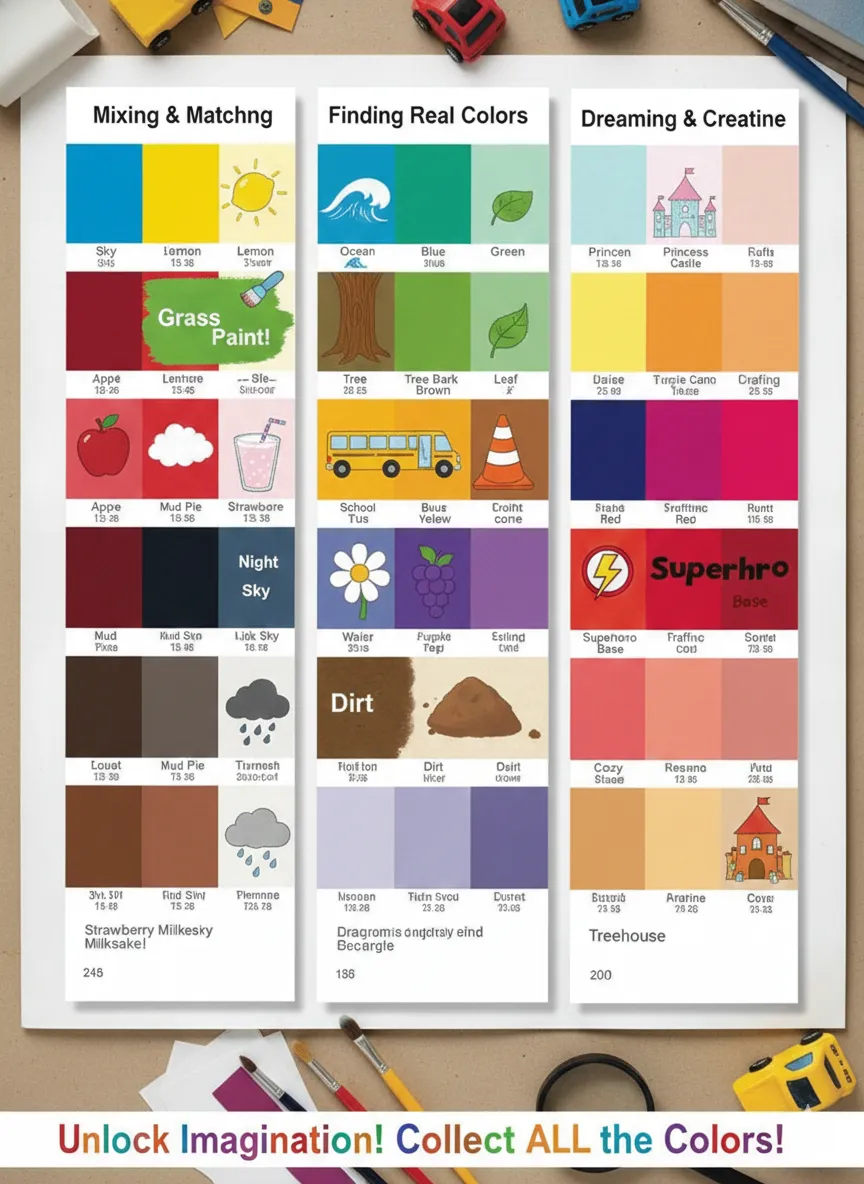
Collecting colour shade cards from hardware stores helps children explore the world of colours in a fun and hands-on way. These cards display many shades,light, dark, warm, cool, pastel, metallic, and more,which helps children understand how colours can change slightly yet look completely different. As they collect and compare different cards, children naturally develop an eye for detail, noticing how colour names, tones, and combinations are used in real-life design and decoration. This makes learning about colours much more exciting than simply seeing them in a book.
This hobby also encourages creativity and confidence in artistic expression. Children often use shade cards for craft projects, mood boards, or arranging them into patterns, which boosts imagination. Collecting them also teaches patience and care, as kids sort and organise the cards by shades or themes. Since shade cards are free, this hobby is enjoyable and accessible, helping kids appreciate design, creativity, and the beauty of colours all around them.
Five Advantages for Children Collecting Colour Shade Cards
Children learn to identify subtle differences between shades and understand colour families.
Shade cards inspire craft ideas, drawings, room décor concepts, and imaginative colour combinations.
Sorting and arranging the cards teaches children to group items neatly and think systematically.
Kids become more alert to how colours appear in nature, clothes, objects, and art.
Since shade cards are usually free, children can build a large collection without expense, making learning accessible and fun.
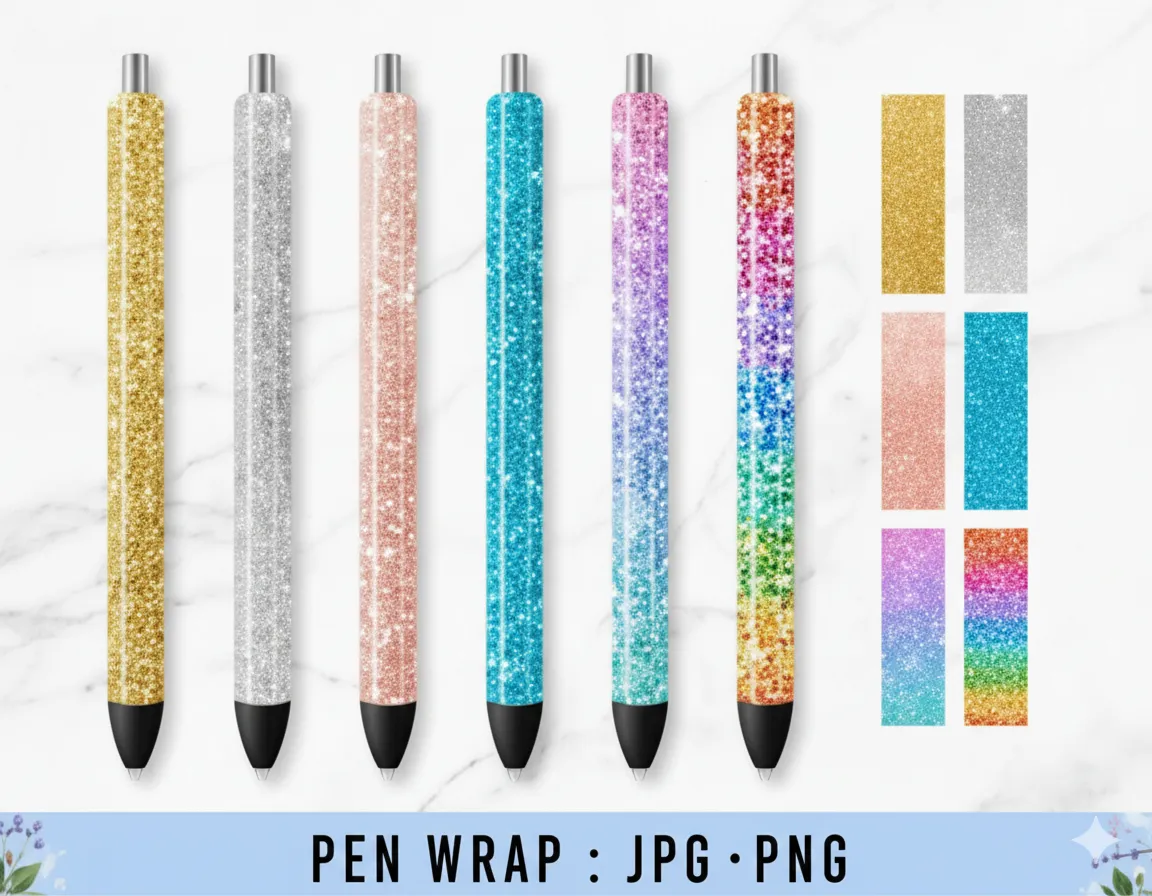
Collecting gel pen wrappers helps children discover creativity through colourful designs, patterns, and brand styles. These wrappers often come in bright colours, attractive fonts, and fun graphics that catch a child’s attention. When children collect and compare them, they begin to notice small details such as logos, packaging themes, and differences between brands. This makes them more observant and encourages creative thinking. It also turns something usually thrown away into a fun collectible, teaching children to see value in simple everyday things.
This hobby also builds patience, organisation, and curiosity. As children gather wrappers, they learn to sort them by size, colour, or brand, helping develop systematic thinking. They may also feel motivated to learn how different pens work and what makes each wrapper unique. Sharing or trading wrappers with friends improves social interaction and builds confidence. Over time, collecting gel pen wrappers becomes a simple yet meaningful activity that develops appreciation for design, responsibility, and mindful collecting.
Five Advantages for Children Collecting Gel Pen Wrappers
Children learn to notice colours, fonts, styles, and tiny packaging details.
Attractive designs inspire kids to create their own artwork, patterns, or packaging ideas.
Collecting and arranging wrappers teaches kids to categorise items neatly and responsibly.
Sharing or exchanging wrappers with friends helps children communicate and build friendships.
Using wrappers as collectibles instead of throwing them away teaches children about reuse and reducing waste.
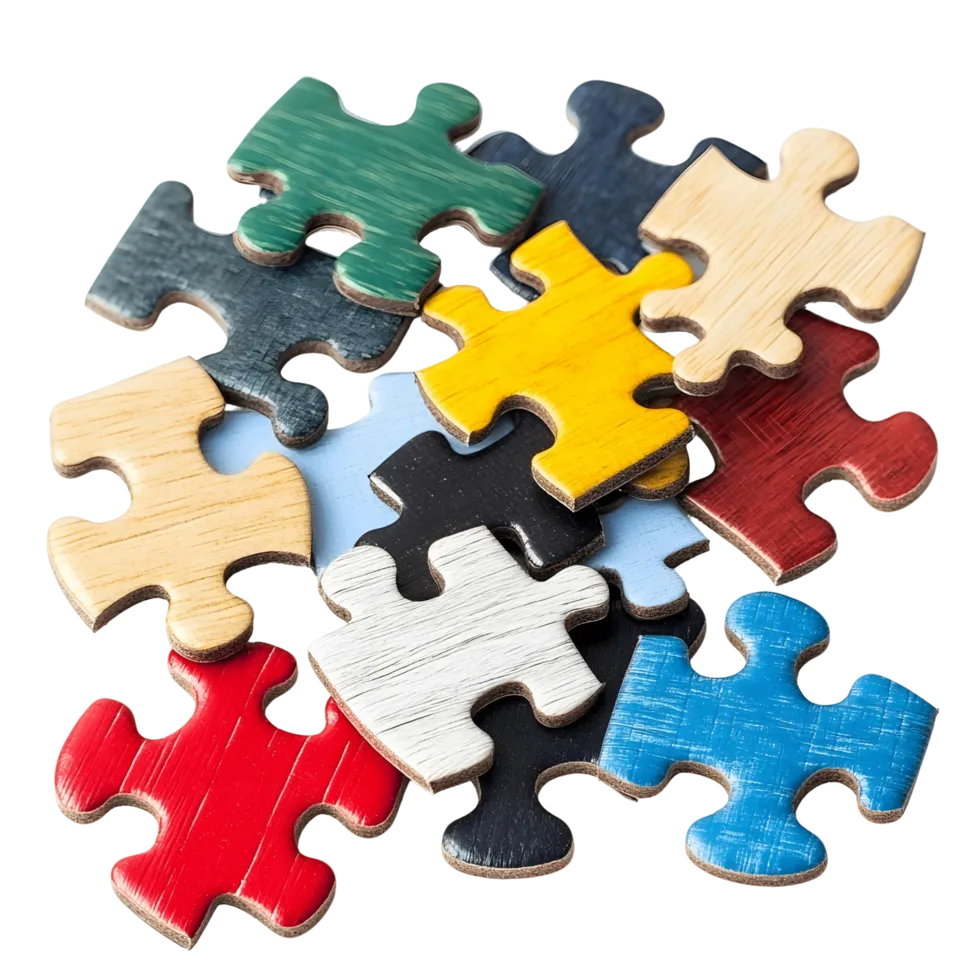
Collecting puzzle pieces from different sets can spark children’s curiosity and motivate them to explore how shapes, colors, and patterns work together. When children interact with a variety of pieces, they naturally begin to compare, sort, and experiment. This hands-on activity encourages them to think critically, make predictions, and test their ideas as they explore new combinations. It also nurtures their ability to observe small details and understand how individual parts contribute to a larger picture.
Beyond cognitive benefits, this activity helps children develop patience, focus, and resilience. As they search for matching pieces or try connecting pieces that don’t originally belong together, they learn that problem-solving often requires time and effort. The process boosts their confidence as they succeed and encourages creativity as they build their own designs or stories using mixed pieces. In this way, collecting puzzle pieces becomes more than just play,it becomes a meaningful learning experience.
Five Advantages of Collecting Puzzle Pieces (from Different Sets)
Children closely examine pieces to see what fits together, strengthening logical reasoning and decision-making skills.
Picking up, sorting, and connecting small pieces improves hand–eye coordination and finger control.
Using pieces from various sets allows children to create unique designs and explore open-ended play.
Children learn to keep trying even when pieces don’t match, helping them develop focus and resilience.
Sorting pieces by color, shape, or size teaches children early classification skills and helps them develop better organization habits.
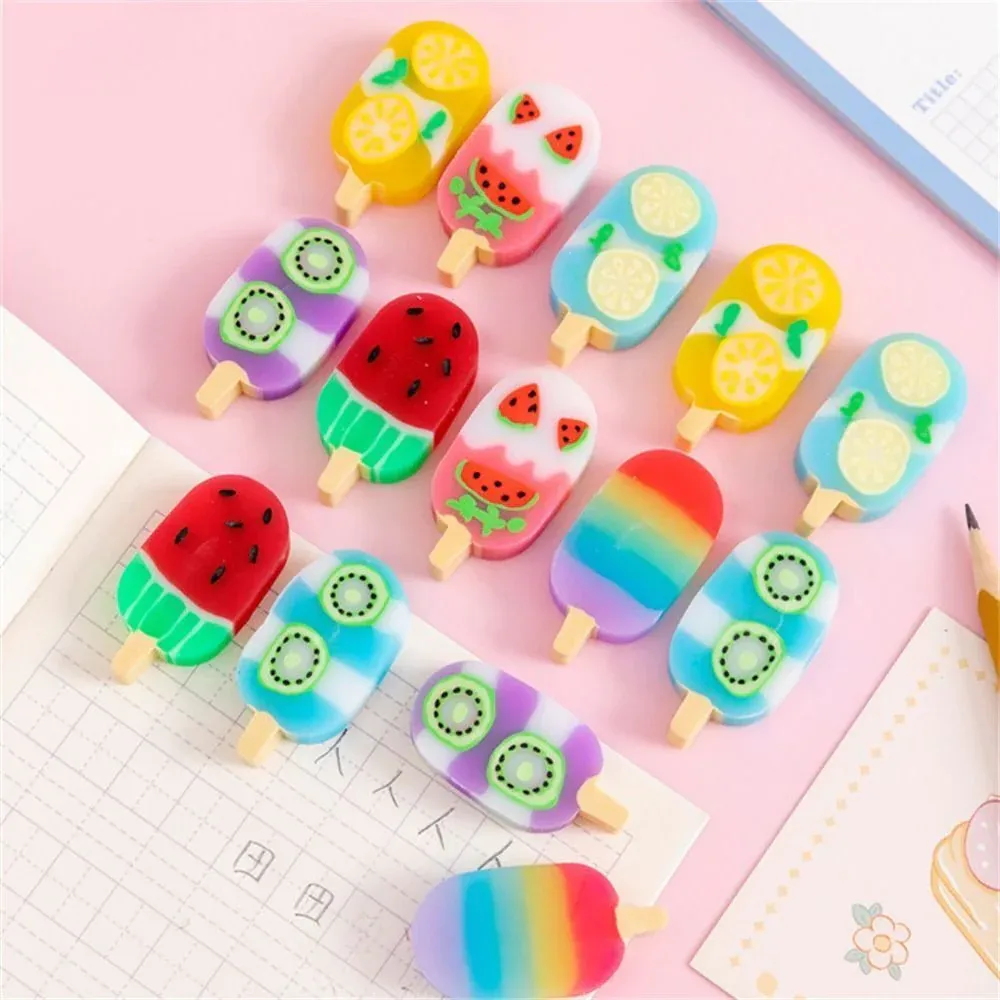
Collecting erasers with different shapes helps children explore creativity in a fun and playful way. These erasers come in the form of animals, fruits, vehicles, cartoon characters, and everyday objects, turning a simple school item into something exciting. When children collect them, they begin to notice colours, textures, and designs, which helps develop their imagination and artistic thinking. This hobby also adds joy to learning, making school supplies feel special and motivating children to stay organised and interested in their studies.
In addition to being fun, collecting shaped erasers teaches children valuable life skills. As they gather different designs, they learn how to take care of small items and arrange them neatly in boxes or albums. This builds responsibility and patience. Children also enjoy sharing and trading erasers with friends, which improves social skills and encourages positive interactions. Overall, this collection helps children appreciate creativity, develop focus, and feel proud of something they build over time.
Five Advantages for Children Collecting Erasers with Shapes
Fun shapes and colours inspire kids to think creatively and observe design details.
Arranging, sorting, and storing erasers teaches children to be tidy and responsible.
Children enjoy exchanging or showing their collections to friends, building communication and sharing skills.
Kids learn to compare shapes, sizes, patterns, and themes, improving attention to detail.
Shaped erasers make schoolwork more enjoyable and motivate children to take care of their stationery.